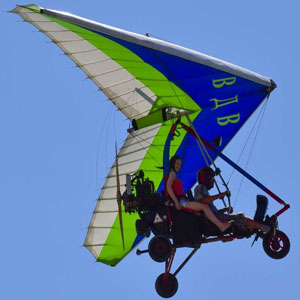

Understanding take-off performance in microlight aircraft
Factors influencing take-off performance under varying conditions
Air grows thinner and the horizon seems closer when the sun bakes the tarmac. Understanding microlight take off distance is more than curiosity—it’s a guardian of margins and momentum in SA skies. “The air never lies,” a veteran pilot likes to say, and in heat that truth bites.
Take-off performance hinges on several moving parts that shift under varying conditions:
- Weight and balance influence lift and runway needs.
- Wind, direction, and runway slope alter acceleration.
- Air temperature and density affect lift and engine power.
- Surface condition and altitude challenge grip and roll.
The mystery of every departure lies in the air masses, the ground, and the quiet mathematics of lift and speed.
Weather, wind, and surface interactions
“The air never lies,” a veteran pilot likes to say, and in SA skies it bites hardest when heat thins the air. Understanding microlight take off distance is more than curiosity—it’s a guardian of margins and momentum on the veld and tarmac alike. When the sun bakes the runway, lift becomes a quiet negotiation between mass, wing, and speed, and I’ve watched the moment when air and ground finally agree, and the heat bites!
Consider these weather, wind, and surface interactions that shape that distance:
- Density altitude shifts lift and engine power in heat.
- Gusts and wind shifts can alter the ground roll.
- Moisture, dust, or rough surfaces change acceleration just enough to matter.
Every departure writes a memory of air meeting ground; in these moments, distance becomes a story of seam and speed that stays with you long after the wheels stop.
Weight, balance, and configuration impact on take-off
Weight, balance and configuration decide the ballet of lift and run on every microlight departure, and in SA skies, a single centimeter shift can rewrite the runway’s memory. A seasoned SA pilot reminds me that weight is a whisper that can shout on the runway; when ballast biases fore or aft, take-off becomes a measured negotiation between mass and momentum, shaping microlight take off distance as a living metric.
- Load fore and aft to keep CG near the wing’s spar, easing rotation.
- Fuel, ballast, and baggage distribution matter—small shifts change pitch and acceleration.
- Configuration choices such as gear setup and control throws influence how quickly you lift.
On the runway, every gram has a memory, and in balance we hear the air meet the ground with grace!
Runway length, surface quality, and altitude effects
In the SA air, the take-off distance is less a fixed line than a memory the runway keeps. A veteran South African pilot murmurs, “The runway remembers every grain,” and that refrain lands with the throttle, reminding us lift is a negotiation with earth rather than a conquest.
Understanding microlight take off distance ties to three unyielding variables: runway length, surface quality, and altitude. A longer runway extends the window to rotate; a smooth surface lowers drag and preserves grip; altitude thins air, nudging power and lift apart and pushing distance upward. The result is a delicate calculus that blends asphalt and atmosphere in a single breath of flight.
- Runway length and the acceleration-rotation window
- Surface quality and its impact on drag and grip
- Altitude and air density shaping lift
Key performance drivers for short-field take-offs
Power output and engine performance considerations
Across South Africa’s microlight strips, the punchline isn’t just runway length—it’s the engine’s bite at take-off power. The microlight take off distance hinges on how quickly peak power arrives when you wind the throttle forward and the prop grabs the air.
Power output and engine performance considerations are the twin levers in this drama.
- Power curve alignment with propeller efficiency
- Thermal management to prevent power sag in hot fields
- Fuel quality and octane compatibility
- Engine timing and reliability for consistent thrust
Get the feel for the ride: when power is predictable and the prop doesn’t stall, the microlight take off distance becomes a matter of grammar, not luck, on a field where even the grass has an opinion.
Wing loading and lift characteristics at rotation
In microlight operations, wing loading and lift characteristics at rotation are the true levers of short-field take-offs. On South African strips—grass, scrub and heat—the microlight take off distance shifts with how quickly the wing can generate lift as the nose rises. Wing loading sets the lift demand at rotation, and that demand shapes the speed and attitude needed to break ground.
- Wing loading relative to gross weight and wing area
- Lift characteristics at rotation: how quickly lift rises as pitch increases
- Airfoil efficiency and the effect of control surfaces during the acceleration phase
When these dynamics align, take-off distance follows a clean script—no guesswork, just predictable stride! The microlight take off distance becomes a matter of physics, especially in hot SA fields where heat saps lift and weight shifts the balance.
Ground roll dynamics and acceleration planning
In high SA heat and on grass or scrub strips, the short-field performance of a microlight is less about raw power and more about how quickly lift responds after rotation. Ground roll becomes a canvas where grip, surface condition, and rolling resistance set the baseline for the microlight take off distance!
Ground roll dynamics and acceleration planning shape this baseline. A strong push toward efficient acceleration minimizes energy wasted in drag and maintains a predictable speed curve as weight shifts during the roll. Consider how surface texture and grass maturity influence friction and how that translates into the length of the roll before rotation.
- Ground contact quality and rolling resistance
- Power response and engine torque during the roll
- Rotation timing relative to available speed
The result is a coherent take-off envelope that makes short-field performance a matter of physics rather than guesswork, even when SA fields burn hot and the air is thin.
Practical planning for safe take-offs
Weight management, fuel planning, and payload strategies
In South Africa’s sun-bright airstrips, every gram counts and every decision ripples along the runway. A steady stat whispers of the craft: 70% of safe take-offs hinge on smart load and fuel planning. This practical planning directly shapes microlight take off distance and safety margins, turning a potentially jittery roll into a confident, clean ascent. The magic, it seems, begins long before rotation—with the quiet arithmetic of payload, fuel, and air in balance.
- Weight management concepts: understanding gross weight limits and center-of-gravity awareness.
- Fuel planning concepts: ensuring adequate endurance and appropriate reserves for the mission.
- Payload strategies concepts: distributing gear to support balanced lift and stable handling.
When these considerations are balanced, the aeroplane meets the strip with poise, and lift arrives as a measured, almost lyrical certainty—an echo of open skies over South Africa’s vast horizons.
Performance trade-offs between payload and distance
South Africa’s sun-bright airstrips teach a blunt truth: take-off is a moment of quiet negotiation with air itself. The microlight take off distance becomes a tangible figure, not a stubborn number but a living measure that unfolds as lift gathers. On the ramp, every gesture carries consequence, and the horizon answers back with patient certainty!
- Balance and trim whisper in the wake of power—composition shapes the initial roll more than sheer force.
- Surface texture, heat, and subtle wind cues sketch a map of distance on the ground.
- That brief pause before rotation tunes anticipation and steadies the senses.
- The aircraft’s stance and natural flutter of the frame speak volumes about handling in the climb.
Practical planning threads speed, space, risk, and trade-offs into a single, elegant ascent—an act of trust between pilot, machine, and the open sky over South Africa.
Braking, drag, and airframe configuration impacts
South Africa’s open skies teach a blunt lesson: microlight take off distance isn’t a fixed line but a living measure. ‘The ground is patient; the air is honest,’ a seasoned pilot recalls, and across many flights braking feel and the airframe’s subtle stance whisper what lift will demand in the next heartbeat.
- Braking quality and the transition from rollout to lift-off
- Drag management through clean airflow and mindful airframe configuration
- Rotation dynamics shaped by stance, trim, and power on
In practical planning, these threads thread together into a single ascent—a trust between pilot, machine, and the vast South African sky. The memory of that measured distance lingers on the ramp, audible in the engine’s heartbeat as the climb begins and the horizon accepts the ascent with patient certainty.
Pilot technique, rotation timing, and climb profile
South Africa’s dawn air reveals a blunt truth: microlight take off distance is a living measure, shifting with heat, grip, and the airframe’s quiet stance. Ground and sky bargain in a brisk exchange—roll, rise, then lift arrives as the horizon nods. On the ramp, that distance becomes a compass, guiding the opening seconds toward a calm, confident climb.
Practical planning threads technique, rotation timing, and climb profile into a single, breathing rhythm.
- Rotation timing: a measured transition that preserves alignment
- Climb profile: smooth acceleration with balanced lift
- Pilot technique: steady hands, sharp scanning, subtle adjustments
Let the air dictate pace and pressure; the memory of distance returns as confidence, not bravado, shaping every subsequent departure.
Contingency planning and safety margins
In the blistering clarity of dawn over South Africa, practical planning treats the microlight take off distance as a living gauge rather than a fixed number. By reading the field, the surface, and the air’s mood, you choreograph a safe opening roll—no heroics, just rhythm. The distance adapts with temperature and gravity; planning is a dialogue, not a demand. We frame the take-off like a small performance: smooth, measured, and ever respectful of the horizon.
Contingency planning and safety margins come next. They are less about drills and more about reading the room for surprises: gusts, surface quirks, or a last-minute switch in light. If the air shifts, the margin absorbs the ripple; if visibility narrows, the design holds its breath. I treat the microlight take off distance as a weather report you can read before you commit. Let the air dictate pace; the distance returns as calm, practiced certainty.
Regulatory, training, and testing considerations
Airstrip classifications, permitted operations, and regulatory limits
South Africa’s microlight community thrives under regulations and runway realities. A precise take-off metric isn’t fixed; it shifts with airstrip type, operator readiness, and SACAA standards, creating a living, field-tested landscape!
- Airstrip classifications: hard surface, compacted earth, or grass; site suitability and maintenance standards.
- Permitted operations: daylight, visual flight rules, and defined operating envelopes per airfield.
- Regulatory limits: licensing, medical requirements, and airspace constraints that shape flight planning.
When assessing microlight take off distance, training and testing become the proof that pilots meet regulatory expectations and safety margins. Certification paths, medical fitness, and ongoing proficiency are woven into daily decision-making.
In addition, training regimes emphasise simulated and real-world scenarios before solo flights, aligning with the South African framework. Testing emphasizes competency, consistency, and adherence to procedural norms that underpin predictable acceleration and rotation behavior.
Checklists and standard operating procedures for take-offs
At dawn over South Africa’s airstrips, regulatory clarity is the quiet engine of safety. The SACAA framework governs licensing, medical fitness, and airspace, shaping who may fly and where. A clean envelope—daylight, VFR, and field permissions—keeps operations steady.
- Licensing verification and medical status
- Airspace clearance and coordination
- Airworthiness and maintenance records
- Field-specific operating envelopes
Training grounds the mind and body; simulations meet the realities of take-off. Certification paths and ongoing proficiency weave into daily judgment, with checklists serving as a refined language of preparation. Training aligns technique with the realities of microlight take off distance and kinetic balance.
Testing reinforces standards: competency, consistency, and adherence to procedural norms underline predictable rotation and acceleration. The focus on rigorous evaluation anchors training to real-world performance and to the microlight take off distance as a tangible measure on the runway.
Training, proficiency, and recurring evaluation effects
The dawn light over South Africa’s airstrips is a reminder: regulatory clarity is the quiet engine of safety. A striking 68% of microlight pilots report smoother starts after formal training, according to SA flight schools’ audits. Rules that predict the path keep decisions crisp.
Regulatory considerations sit at the heart of take-off success. In this country, the framework sets clear boundaries on who may fly, where, and under what conditions, reducing chaos as you roll.
- Regulatory alignment and currency tracking
- Structured training progression with simulators
- Ongoing proficiency assessment cadence
Training fuses study with hands-on practice, using simulations to mirror the take-off roll and climb. Regular currency checks and refreshers keep pilots attuned to microlight take off distance.
Testing isn’t punishment; it’s about consistency. Competency checks and routine evaluations anchor training in real flight, ensuring that judgment translates into predictable rotations.