
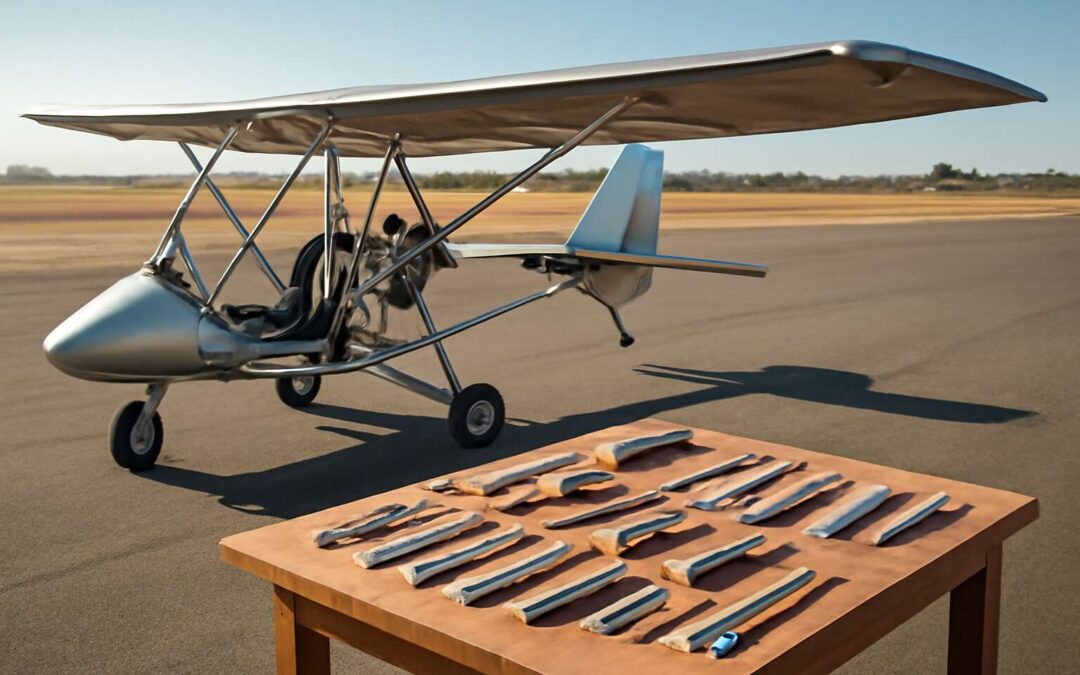
Understanding the microlight aircraft kit market
What is a microlight aircraft kit?
In a sunlit SA landscape, the microlight market is quietly lifting off—last year, inquiries rose by 7%. It isn’t hype; it’s a practical invitation to cruise above the coast or open veld with a fraction of the paperwork of traditional aviation.
What is a microlight aircraft kit? It’s a bundle that includes the airframe, wings, and tail, with engine and avionics available as options depending on the kit. South African suppliers link builders with SACAA pathways and local support networks, turning curiosity into a road-ready machine.
- Build time, skill requirements, and local support
- Cost ranges, maintenance, and spare parts availability
- Regulatory status, pilot licensing, and insurance considerations
Understanding the microlight kit market means balancing performance with practicality.
A well-chosen kit speaks to the continent’s appetite for accessible, well-crafted flight.
Popular kit types explained
Across South Africa, the microlight market is quietly expanding, with curious builders turning sunlit runways into personal airstrips—and the horizon seems to lean closer. Understanding the microlight aircraft kit reveals a few popular types that determine how quickly you can lift off and how your weekends are spent between assembly and test flights.
- Flexwing kits: weight-shift control, high wing, forgiving handling; fast to assemble.
- Fixed-wing ultralight kits: traditional control surfaces, better efficiency, longer endurance; suited to cross-country hops.
- Trike-style kits: simple build, low upfront cost, strong local support networks.
Local SA suppliers connect builders with SACAA pathways and enduring maintenance networks, shaping a practical, enjoyable route to the sky.
Regulatory landscape for microlight kits
The microlight aircraft kit market in South Africa is rising on buzz more than bust, and the runway isn’t the only thing leveling up—the paperwork is catching up too. A clear regulatory path can turn a weekend build into a Sunday first flight, fast!
Regulatory landscape for microlight kit stays approachable when you know the players: SACAA, airworthiness checks, maintenance networks, and import/export rules that actually make sense for hobby builders.
- Type approval and kit registration basics with SACAA
- Maintenance and airworthiness requirements that keep the machine smiling
- Import, duties, and local supplier pathways to minimize hiccups
Local SA suppliers connect builders with pathways and enduring maintenance networks, shaping a practical, enjoyable route to the sky—where the weekend build finally becomes flight.
Key terms you need to know for buyers
Across South Africa, interest in the microlight aircraft kit has surged by 38% over the past year, turning weekend hangars into launch pads and old sketches into first flights. For buyers, understanding the market means more than price tags—it means language you can trust, from the dusty workshop to the sunny strip. The right terms unlock clear paths from dream to takeoff.
Key terms to know as you shop include:
- airworthiness checks
- type approval and kit registration
- maintenance networks
- import duties and local supplier pathways
Beyond the jargon, these terms tie to real choices—the time a build takes, the reliability of spare parts, and the warmth of support from South African suppliers. In towns scattered across the Highveld and along the coast, the microlight community thrives on practical networks that keep weekends on the runway rather than waiting in the workshop.
Ready-to-fly versus build-it-yourself options
Weekend hangars across South Africa hum with a sharpened spark of possibility. The microlight aircraft kit market is firing on all cylinders, offering ready-to-fly machines and build-it-yourself options. The choice isn’t just about price; it’s about timing, skill, and the stories you want to tell under the wing. A smart pick can compress a dream into takeoff days rather than endless evenings in the shed.
When weighing ready-to-fly vs build-it-yourself, consider:
- Time to first flight and certification status
- Spare parts availability and local service networks
- Tools, workspace, and build timeline requirements
- Long-term maintenance costs and resale value
In South Africa, the microlight aircraft kit landscape thrives on local supplier networks, and the right path aligns with your appetite for hands-on work and reliability with the microlight aircraft kit—no magic wands, just solid parts and steady support.
Choosing the right microlight kit for your goals
Define your flying objectives and mission profile
Choosing a microlight aircraft kit in South Africa isn’t just about parts; it’s about mapping a dream to the sky. A bold mission needs a precise map, and the kit acts as the compass—deciding early how fast you’ll depart and how far the horizon will stretch!
Define your flying objectives and mission profile with crystal clarity: airstrip length, weather windows, and the pace of maintenance. The more you articulate the goal, the more the kit reveals its fit. This microlight aircraft kit fit becomes the compass for choosing the right path.
- Operating environment (airfields, veld strips)
- Endurance and payload needs
- Build complexity versus time to first flight
The horizon rewards clarity with steadier skies and a journey that feels almost fated.
Assess performance targets: speed, range, payload
Across South Africa’s patchwork airstrips, the right microlight aircraft kit can turn a countryside dream into dependable daylight travel. A bold mission profile needs a precise map, and the kit acts as the compass—deciding early how fast you’ll depart and how far the horizon will stretch. As one seasoned builder puts it, “the horizon rewards clarity!”
Choosing the right microlight aircraft kit for your goals means weighing how designs meet performance targets—speed, range, and payload. Look beyond price to how the airframe feels in your hands and how it performs on the routes you value most across the South African landscape.
- Speed target
- Endurance (range)
- Payload capacity
When those figures align with workable airstrips, veld strips, and the daylight hours you keep, the journey feels almost fated.
Budgeting for the kit: upfront and ongoing costs
Budgeting for a microlight aircraft kit is a test of nerve and vision. In South Africa, daylight hours and patchwork airstrips make cost a constant companion. Upfront commitments and ongoing upkeep turn a countryside dream into dependable daylight travel, demanding clarity about what the journey will require.
Upfront costs cover the kit price, shipping, import handling, and essential tools, while ongoing costs include maintenance, insurance, storage, inspections, and fuel. The SA landscape adds practical twists—parts availability and veld strip realities require a cushion in the budget and a long view of ownership.
Regulatory class compliance and licensing implications
Choosing the right microlight aircraft kit for your goals is a compact exercise in prudence and ambition. It should match your flying terrain, available training, and the daylight routines South Africa demands, without surrendering your budget to a whimsy of chrome and knurled knobs.
Regulatory class compliance and licensing implications loom large here. The kit choice nudges you toward the right airborne category and the corresponding certification path in SA. Consider these pillars:
- Regulatory classification alignment with your intended operations
- Pilot licensing requirements and medical standards in SA
- Inspection schedules and airworthiness records
Ultimately, the microlight aircraft kit enables a mission-driven build without courting chaos. It harmonises performance with compliance, leaving you to savour the forecast rather than the fine print.
Manufacturer support, warranty, and spare parts availability
Choosing the right microlight kit for your goals is less a purchase and more a voyage, where trusted hands guide your build from dream to glide. In this realm, the maker’s support becomes your compass; a responsive team shortens the gap between vision and flight. A robust warranty is a safety net for bold experimentation and long-term joy with your microlight aircraft kit.
- Manufacturer support: access to technical guidance, online resources, and regional SA contacts when you need them.
- Warranty terms: duration, coverage, and a straightforward claims process that keeps you airborne.
- Spare parts availability: clear lead times, compatible components, and restocking plans for essential items.
Together, these pillars translate risk into rhythm; you’ll spend more time flying and less time waiting for parts. Seek a maker with transparent service levels and a proven track record of honoring commitments, that is the spirit of the journey.
Inspecting and evaluating microlight kit options
Build quality indicators: airframe, welds, and finishes
Quality on the ground pays off in the air. In microlight kit shopping, a sharp focus on build quality cuts through the noise and saves hours of maintenance later. A crisp decision yields safer flights.
When inspecting options for a microlight aircraft kit, three indicators dominate: airframe integrity, weld quality, and finishes.
- Airframe integrity: straight chassis, true geometry, no hidden dents or corrosion.
- Welds: uniform beads, no cracks or porosity, proper penetration where required.
- Finishes: even primer and paint, corrosion protection, and consistent coating coverage.
From this, you’ll quickly separate solid builds from those that look fine in photos but hide issues. In South Africa, you’ll benefit from local clubs and suppliers who can help assess real-world build quality. I’ve seen kits where the welds told the story and others where glossy finishes masked fatigue—look beyond the surface and trust the signs that stand up to a hands-on check.
Engine options and reliability considerations
Engine options shape the fate of the microlight aircraft kit more than paint or finish. In South Africa, Rotax powerplants dominate, thanks to local workshops and spare-parts networks, but reliability hinges on cooling, maintenance intervals, and correct installation. When evaluating options, weigh fuel type, vibration, and service life against the mission profile—hot Highveld days test a setup as surely as dawn frost tests a wing!
Reliability considerations include:
- Parts availability and local service in South Africa
- Cooling efficiency under African heat and altitude
- Warranty terms and ongoing manufacturer support
- Fuel type, efficiency, and long-term maintenance costs
Pairing engine and airframe is a delicate dance. Inspect mounting integrity, propeller compatibility, and vibration-damping measures—the true reliability whisper, beyond brochures and numbers!
Weight and balance expectations and testing
Weight and balance is the invisible referee of any microlight aircraft kit. A slight CG drift can turn a calm touch-and-go into chaos on a hot South African day. Options should be evaluated by demanding robust CG envelopes, documented ballast, and loading scenarios that mirror the mission. A solid balance plan saves nerves as much as fuel.
- Verify the center of gravity envelope aligns with your pilot and payload scenarios, including fuel burn and ballast choices.
- Check ballast provisions, ease of adjustment, and anticipated removal when changing mission profiles.
- Ask for tested weight-and-balance data and a clear procedure for rechecking after assembly or maintenance.
- Plan a structured test plan that moves from static checks to controlled flight with a competent observer.
Remember, a thoughtful weight-and-balance strategy marks maturity in a field where gravity never jokes.
Documentation, manuals, and after-sales support
Documentation is the ballast of any microlight aircraft kit. A crisp manual is as vital as the airframe itself; as one seasoned SA pilot puts it, “clear manuals save time and lives.” When you compare options, the strength of the documentation—from exploded diagrams to maintenance notes—speaks volumes before you ever lift off.
Look for comprehensive manuals, warranty terms, and after-sales support that travels with you from factory to field. Digital access, updates, translation, assembly video, and a clear parts catalog matter. In South Africa, local dealer networks and spare-parts availability can cut downtime dramatically.
- Clarity of assembly steps and illustrations
- Parts catalog, exploded diagrams, and compatibility notes
- Warranty terms, service bulletins, and response times
- Local support channels, training options, and spare-parts lead times
Community feedback and owner experiences
South Africa’s microlight circles keep a stubborn truth at the fore: real-world owner stories decide the fate of a microlight aircraft kit. In hangar conversations and forum threads, it’s common to hear that six in ten builders rethink their kit after field reports. The microlight aircraft kit you lean toward should resonate with those testimonies, echoing reliability, ease of maintenance, and a clear parts trail.
- Real-world build timelines and fit under your local conditions
- Post-delivery support, parts availability, and dealer responsiveness
- Quality notes from actual flights: vibration, wear, and maintenance windows
Across SA, owner experiences create a living map for readers weighing options. Community feedback—from clubs, online diaries, and regional gatherings—often reveals how a microlight aircraft kit performs when the canopy closes and the field lights come on. The cadence of local service, spare-parts lead times, and documented flyoffs shapes expectations more than glossy brochures.
Build, safety, and compliance best practices
Planning your build: timeline and workspace setup
In South Africa, planning a build for a microlight aircraft kit demands a steady head and a clear horizon. A thoughtful timeline keeps both enthusiasm and budgets in check, turning a daunting project into a dignified journey. Your plan should envisage milestones from kit arrival to upright testing, letting daylight hours and workshop rhythms guide the pace.
- Workspace sizing and layout for safe, comfortable handling
- Ventilation, lighting, and climate control to protect components
- Secure storage for fasteners, tools, and manuals
Safety and compliance best practices extend beyond the bench to the wider aviation ecosystem. Handle components with care, observe fuel and fire-safety principles, and keep manuals, after-sales data, and records accessible. In South Africa, aligning with local aviation authority expectations and licensing considerations helps ensure your project remains compliant as it matures.
Safety protocols during construction and field operations
“Safety is the best fuel,” a seasoned South African builder likes to say, and it anchors every microlight aircraft kit project. In my workshop, steady hands, gloves, and clean fuel practices set the rhythm, while clear work zones cut risk. Safety protocols during construction and field operations, I’ve learned, span bench work, tool control, and prudent fire-safety planning.
- Secure storage for fasteners, tools, and manuals with clear labeling
- Fuel handling and fire-safety considerations to minimize sparks and spills
- Documentation readiness: manuals, maintenance logs, and licensing records accessible to inspectors
In South Africa, aligning with SACAA expectations keeps the microlight aircraft kit journey compliant as it matures, with manuals, logs, and licensing records accessible.
Pre-flight checks, testing, and flight readiness
“Safety is the best fuel,” a seasoned South African builder likes to say, and it anchors every microlight aircraft kit project. In the workshop, pre-flight checks, testing, and flight readiness form the quiet spine of discipline, aligned with SACAA expectations and a clean, well-lit bench.
Build, safety, and compliance aren’t mere steps but a ritual. I keep records precise and access clear: manuals, logs, and licensing files standing ready for inspectors at a moment’s notice. The following priorities guide us:
- Airframe and control surface integrity
- Fuel, electrical, and hydraulic systems checks
- Documentation status and compliance references
With these weights in balance, the shadowed airfield becomes a stage for safe testing and true flight readiness.
Certification path and airworthiness documentation
In South Africa, a clean file is as vital as a clean bench. Consider this: nearly 70% of flight-test delays trace to paperwork gaps—an undeniable reminder that safety begins with the status board and the right documents.
The certification path starts with SACAA alignment, a defined airworthiness plan, and a build log that evolves with your project. For those assembling a microlight aircraft kit, this discipline translates to smoother inspections and confident testing.
- Component traceability across parts and suppliers
- Inspection and maintenance milestones with dates
- Change approvals and revision-controlled manuals
Finally, access and version control matter: digital backups, accessible licensing files, and a simple filing system that inspectors can walk through in seconds.
Ongoing maintenance, upgrades, and record-keeping
A well-kept build is a quiet advantage. In SA, nearly 70% of flight-test delays trace to paperwork gaps, a reminder that the status board sets the pace. With a microlight aircraft kit, precision in the build becomes safety in the air.
Ongoing maintenance and upgrades are not afterthoughts. Regular checks, component life tracking, and disciplined change control keep your aircraft ready for testing and routine flights. Quality maintenance uses approved service bulletins, certified parts, and a calm, methodical approach.
Record-keeping is part of flight readiness. Digital backups, licensing files, and a simple, inspector-friendly filing system ensure audits are straightforward and fast.