
Understanding Microlight Weight Categories
Legal Maximum Takeoff Weight Definitions
Most people assume that if it flies, it’s serious, but the microlight weight limit is where the fun meets the law. In South Africa, the legal maximum takeoff weight for a microlight is pegged at 450 kg for a landplane. That figure isn’t just a suggestion, it is the definitive boundary set by the South African Civil Aviation Authority.
Understanding the categories starts with this hard number, but it splits from there. The weight definition is a moving target because it includes the pilot, fuel, and baggage, not just the airframe. So, your actual payload depends on how heavy your specific bird is when it leaves the hangar. Many pilots forget that a passenger change alters their legal standing.
The different classes add more nuance to what you can fly:
– A foot-launched microlight typically has a higher structural limit due to the pilot’s role.
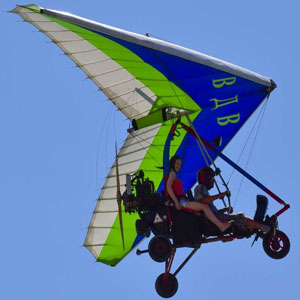
– A weight-shift (trike) machine often sits near the 450 kg ceiling.
– A three-axis microlight has a stricter empty weight limit to prevent overloading.
Each type demands a recalculation of that core microlight weight limit. The legal maximum takeoff weight is one thing, but the practical reality means checking your aircraft’s manual before every flight. The margin between being legal and being grounded is frequently just a few kilograms of extra fuel. That’s the balancing act you sign up for.
Empty Weight and Manufacturer’s Baseline
A microlight’s empty weight is the number most pilots never verify. The manufacturer’s baseline, listed in the aircraft’s manual, tells you what the machine weighs before you add fuel or a passenger. Factory options, paint, or a replacement seat all shift that baseline upward.
Here’s the practical reality: the microlight weight limit is a fixed number, but your available payload is the gap between that number and the empty weight. Consider what counts toward that gap:
- Fuel, at roughly 0.72 kg per litre, adds weight quickly
- Two-stroke oil and engine fluids accumulate silently
- Baggage, tools, and even a phone charger tip the scale
When I fly a three-axis machine, I always double-check the actual empty weight printed on the placard. The microlight weight limit only makes sense when you know that baseline with certainty. Trusting a brochure number instead of the scale grounds more pilots than engine failure.
Useful Load Explained
Useful load is where the microlight weight limit becomes personal. It is the difference between the certified maximum takeoff weight and the actual empty weight on your placard. Every kilogram of pilot, passenger, fuel, and cargo occupies that space.
Consider a typical two seat trike in South Africa. The legal ceiling might be fixed, but a heavy empty weight shrinks what remains. Fuel alone can consume 30 kg for a modest range, and that is before you strap on a backpack.
- Pilot and passenger mass
- Fuel and two stroke oil
- Baggage, tools, and cockpit accessories
The microlight weight limit does not change, but your useful load shifts with every modification and every litre pumped in. Weight categories exist to force honest preflight decisions.
Weight Classifications Across Microlight Types
In South Africa, the microlight weight limit is not one ceiling but a system of them. Each category, from weight shift trike to three axis fixed wing, carries its own certified maximum. A single seat machine lives in a lighter realm than a two seat tourer, and that separation is deliberate.
The classifications you will meet on the flight line include:
- Weight shift trikes, where the wing flexes and the pilot shifts mass
- Three axis fixed wing aircraft, which handle more like conventional planes
- Single seat and two seat configurations, each with its own envelope
Every category imposes its own discipline. The microlight weight limit influences stall speed, roll response, and structural stress. A trike pilot balancing near a Highveld gust faces different physics than a fixed wing pilot cruising the coast. The category defines the expected behaviour, and the printed number is the hard boundary.
Critical Factors That Influence Your Weight Limit
Pilot and Passenger Weight Distribution
Every pilot knows the published microlight weight limit, but few consider how that number shifts with seating. A 5 kg difference between two pilots can alter the center of gravity enough to change control response. In South Africa, where thermals run fierce, front and rear seat mass distribution directly affects stability.
The microlight weight limit assumes a specific center of gravity. If your passenger sits further back with heavy gear, the aircraft demands more elevator input, reducing lift. Critical factors include:
- Pilot and passenger combined mass
- Seat position fore and aft
- Baggage placement
- Fuel load distribution
Each factor interacts. A heavy pilot in front offsets a lighter passenger, yet the total must stay within the certified envelope. Weight distribution matters as much as absolute mass. I always double check my loading before each flight.
Fuel Load and Reserve Considerations
Fuel is the sneaky weight that changes while you fly. A full tank on a typical South African microlight adds serious kilograms, and that mass sits right behind your spine. Burn through half a tank and your aircraft becomes lighter, shifting your center of gravity rearward. The microlight weight limit you checked before takeoff is already stale by landing.
Here is the uncomfortable math: every litre of avgas weighs roughly 0.72 kg. A 60 litre tank means 43 kg of fuel, about the mass of a small passenger. Reserve fuel adds safety but keeps that mass aboard. Most pilots calculate loading with full tanks, then land with nearly empty ones. That shift changes control trim and stall behaviour.
High temperatures on a hot Highveld afternoon reduce density altitude performance, so a full fuel load might put you closer to the microlight weight limit than your arithmetic suggested. The certified figure assumes a specific fuel state, yet fuel never sits still.
Baggage and Equipment Impact
Baggage is the weight you can see, and the one you most often misjudge. A duffel bag of clothes, a cooler with refreshments, a camera with spare lenses, none of it feels heavy when you lift it at home. Loaded into a microlight, it all counts toward the microlight weight limit.
Equipment adds a separate problem. The radio, the transponder, the extra battery for long flights, these are modifications that quietly increase the aircraft’s empty weight. The factory figure in the manual rarely reflects what is actually bolted to the airframe.
- Camping tents, sleeping bags and cooking stoves
- Cameras, lenses and drone kits
- Tools, tie-downs and spare parts
- Water, food and emergency supplies
South African flying often means landing at remote airstrips, so packing is a necessity. Necessity still has a mass. The microlight weight limit applies to every item aboard, including the bag you packed last night.
Density Altitude and Temperature Effects
When the mercury climbs, your microlight weight limit effectively shrinks. Hot air is thin air. Thin air means your wings produce less lift, and your propeller bites into less mass with every rotation. The practical result is that a warm Highveld afternoon imposes a stricter performance envelope than the same takeoff at dawn, even though the numbers on your weighing scale haven’t changed by a single kilogram.
Density altitude is the term for what your aircraft actually feels, as opposed to what the altimeter says. At a field elevation of 5,000 feet with a temperature of 35 degrees Celsius, your machine behaves as if it were operating at roughly 8,000 feet. That difference is enormous for a lightweight aircraft operating near its structural and regulatory limits.
– Takeoff ground roll extends noticeably in hot conditions.
– Rate of climb degrades, making obstacle clearance a more serious calculation.
– Engine cooling becomes less efficient, which adds another variable.
– Turbulence and thermals become more aggressive, which can force you to slow down and lose further performance.
The microlight weight limit is not just a number from the manual. It is a figure that must be mentally adjusted for the day’s conditions. When the density altitude is high, the same payload that felt perfectly legal on a cool morning will feel heavy, sluggish and genuinely unsafe by midday. You cannot add horsepower or wing area at the airstrip. You can only reduce load. That often means choosing between full fuel, a passenger, or the camping gear. The aircraft does not care which one you leave behind. The physics simply demand that you leave something.
Water Absorption and Wear Factors
Water absorption is an incremental load. Composite wing skins and wooden spars pull moisture from humid air or a passing cloudburst. In coastal regions or the Highveld, this adds measured mass. That added mass directly consumes your microlight weight limit before you strap in.
Wear factors compound the issue. Control cables stretch, wheel bearings shed grease, and dirt intrudes into the fuselage. These small cycles of degradation change the true empty weight.
- Cracked prop leading edges gaining resin patches
- Moisture trapped in foam cores
- Stretched throttle or brake cables
Every one of those grams is a compromise. I have seen pilots rely on the manual while their airframe grows heavier. The microlight weight limit is a fixed figure on paper, but a machine that has lived through storms presents a different reality.
How to Accurately Calculate Microlight Weight Limits
Reading the Weight and Balance Sheet
Every microlight weight limit originates on a piece of paper most pilots ignore. The weight and balance sheet lists each station, from the pilot’s seat to the rear luggage rack. Each row shows an arm, a moment, and a mass. The sheet already does the multiplication for you. You simply add your actual load and compare the total to the certified envelope.
Read it this way:
– Locate the empty weight and moment from the last official weighing.
– Add the moment for each item you install or carry.
– Find the total moment at the bottom of the column.
– Compare that total to the maximum moment allowed for your microlight weight limit.
The sheet only works if you update it after every modification. Using a stale empty weight from years ago invites error. Accurate calculation depends on current numbers, not guesswork.
Step-by-Step Payload Calculation
The calculation begins with the empty weight, the machine at rest. Every litre of fuel and kilogram of cargo adds its voice to the ledger. The first step is to fix the current empty mass from the last certified weighing, not the brochure figure. Then each item, from pilot to tool roll, is weighed and placed at its station. The moments are multiplied by their arms and summed into a single total. That total is compared against the certified envelope. If the sum exceeds the permitted maximum, the microlight weight limit has been breached. The aircraft becomes a different creature aloft. South African operators know this arithmetic well. The process follows this order:
- Record the empty mass and moment.
- Calculate each load’s moment.
- Sum all moments.
- Compare to the maximum moment.
The final number is the only truth. The microlight weight limit is not a suggestion.
Factoring in Modifications and Accessories
An aftermarket exhaust or a leather seat cover may weigh little, but their positions multiply the moment. I have seen pilots trust the original type certificate and then wonder why the machine feels tail heavy. The microlight weight limit is the final arbiter after every bolt-on accessory. In South Africa, owners often add a second battery or a heavier nose wheel. Each addition requires a fresh weigh-off, not a guess.
The process is straightforward. Measure the empty mass with all modifications installed. Then compute the new arm for each change. A simple checklist helps:
- Seat and harness replacement
- Ballistic parachute installation
- Fuel tank or pump upgrades
The old weight and balance sheet is void. Without recalculation, the certified envelope becomes fiction.
Using Load Calculation Tools and Apps
Some pilots still pencil out every calculation by hand, but the era of reams of paper is fading. Digital load calculation tools have transformed how we approach the microlight weight limit. These applications handle the tedious mathematics and provide instant feedback on your specific configuration.
The best tools allow you to input your aircraft’s empty weight and the precise arm for every component. You log your passenger, the fuel load, and your baggage. The app then computes the centre of gravity and tells you exactly where you stand relative to the certified envelope. For South African pilots, where conditions change rapidly from the Highveld to the coast, this instant analysis is invaluable. You can adjust fuel or cargo in real time and see the effect immediately on your mobile device.
A few key points to consider when selecting your digital companion:
– Data logging for each flight to spot trends in your flying habits
– Dynamic fuel burn tracking that shows your weight shift during the journey
– Comparative analysis for different passenger or cargo configurations
A calculator is only as good as its input. You must perform an initial, accurate weigh-off of your machine with all modifications installed. Once you have that baseline, the app maintains its accuracy. The real skill is trusting the data. When the app flags a figure that exceeds your microlight weight limit, you must treat it as law. The digital referee eliminates guesswork, but it cannot replace your responsibility. The final decision rests with your judgement and your discipline.
Regulatory and Safety Implications of Weight Limits
Certification Standards for Microlights
In South Africa, the microlight weight limit is a legal boundary written into Part 24 of the Civil Aviation Regulations, not a casual suggestion. Exceeding it voids the manufacturer’s certificate of airworthiness and places the pilot outside the approved operating envelope. I have seen pilots argue that their machine handled fine at 5 kilograms over, yet the certification standard exists for structural margins, stall behaviour, and control response.
Consider what shifts when you breach that number:
- Your insurance may reject a claim outright after an incident.
- The aircraft’s registration and permit status can be questioned.
- A trained inspector can issue a prohibition notice on the spot.
Certification standards for microlights in South Africa derive from the airworthiness requirements the original design team met, and that baseline assumes a specific gross mass. The moment you exceed the microlight weight limit, you operate outside the tested conditions. No inspector can certify performance for a mass the machine was never approved to carry.
Enforcement Methods and Inspections
Enforcement of the microlight weight limit in South Africa rests on layers of oversight that rarely make headlines. A CAA inspector can appear at any airfield with portable scales, and those ramp checks often end in a simple question: what does the paperwork say, and what does the scale say? In my experience, the gap between those two numbers tells the real story.
Exceeding the microlight weight limit also shifts the legal burden after an incident. The pilot must prove compliance, and the absence of a current weight record weakens that position from the first inquiry. The enforcement chain itself is swift:
- Ramp inspections weighing the aircraft, occupants, and baggage on site
- Audits of maintenance records and weight revision paperwork
- Immediate prohibition notices for repeat violations
None of these steps require a court order, and that speed is deliberate. Every pilot knows the scale is waiting somewhere, and that alone keeps most machines honest.
Risks and Consequences of Overloading
Exceeding the microlight weight limit places immediate strain on the aircraft’s flight characteristics. The wing must generate additional lift at a steeper angle of attack, which reduces the safety margin during low-speed manoeuvres like takeoff and landing. In South Africa’s highveld, where density altitude climbs quickly, that margin disappears faster than many pilots expect.
The structural consequences are less visible but equally serious. Every component, from the undercarriage to the control cables, was certified against a specific maximum load. Surpassing the limit accelerates fatigue on those parts without warning.
Regulatory implications stack alongside the physical risk:
- Overloading voids the manufacturer’s certification assumptions
- Insurance coverage becomes contestable after an incident
- The pilot’s licence and aircraft registration face suspension proceedings
I have watched pilots argue with a scale, but the numbers never change their mind. The microlight weight limit exists because the calculations were done, not guessed.
Insurance Coverage and Weight Compliance
Compliance with the microlight weight limit is not a bureaucratic gesture. It is a quiet contract between pilot, machine, and the unforgiving physics of flight. When you sign the logbook, you affirm that the aircraft will perform exactly as its designer intended. The Civil Aviation Authority does not police every departure, yet their oversight creates the framework. An overloaded aircraft is a liability on paper before it ever becomes one in the air.
The regulatory pathway for non-compliance is distinct and unforgiving. A routine inspection or a post-incident audit can unravel years of clean flying history. The consequences are structured to deter:
1. Suspension of the pilot’s licence pending a formal review.
2. Cancellation of the aircraft’s registration for safety violations.
3. Mandatory re-certification at the owner’s expense.
Insurance companies operate on actuarial data. They price risk based on documented behaviour. Flying beyond the microlight weight limit is a deviation from the certified envelope, which insurers classify as gross negligence. A claim for damage or injury is contestable, and the burden of proof shifts to the pilot. The financial exposure becomes personal, and the payout for a damaged airframe or a medical bill rests entirely on your shoulders. The scale is a blunt instrument, but it holds the power to end a passion. The limit is not a suggestion; it is the line between a legal flight and a precarious gamble with your future.
Selecting a Microlight Suited to Your Weight
Matching Aircraft Models to Pilot Body Weight
Selecting a microlight based on your weight isn’t a vanity metric. The pilot station is the primary load. Many South African pilots assume the legal microlight weight limit applies generously. It doesn’t. A model might have a maximum pilot weight of 100 kg, while another allows 120 kg. If you are over that limit, you need a different airframe or a trike configuration. The variations between models are stark:
- Some offer a wider cockpit for broader frames.
- Others provide a different thrust line which changes handling.
- A few can be fitted with a larger wing for heavier pilots.
I watched a pilot squeeze into a cockpit designed for a lighter aviator. It wasn’t safe. The controls were restricted and the Centre of Gravity was out of whack. The pilot’s mass must align with the model’s certified limits. This individual seat limit, not the microlight weight limit, is the filter for model choice.
Modifications That Increase Allowable Weight
Modifications can shift the effective microlight weight limit for your specific airframe. Replacing heavy stock components with carbon fibre equivalents reduces empty mass, which directly increases the allowable payload within the certified microlight weight limit. A larger wing, sized for heavier pilots, improves lift margins and alters stall behaviour at gross weight. Brake and suspension upgrades help the airframe manage the extra landing energy.
Options commonly seen in South African modification shops:
- Lightweight exhaust systems, saving 4 to 6 kg.
- Composite propeller sets, reducing rotating mass.
- Upgraded main landing gear springs for heavier gross weights.
Each change requires sign-off from an approved person. The certified microlight weight limit stays fixed, but useful load grows through a lower empty weight.
Performance Trade-Offs at Maximum Load
When choosing a microlight for South African conditions, the certified microlight weight limit should anchor your decision. The real question is how the aircraft behaves when you load it fully. A machine that flies beautifully solo can feel completely different at gross weight.
The trade-offs become obvious in the numbers. At maximum load, climb rate drops, roll response dulls, and ground roll stretches longer. That 100 horsepower engine now moves considerably more mass.
Consider these realities when matching an airframe to your body weight:
- A lighter pilot can afford a heavier, more comfortable aircraft
- A heavier pilot needs a lighter empty weight to preserve useful load within the microlight weight limit
- The fuel load you plan to carry must fit within the remaining margin
A pre-purchase test flight with a full-load run reveals more than a solo circuit ever will. That is the honest measure of whether a chosen machine serves its owner under real conditions.