
Understanding Microlight Aircraft
The Core Definition and Parameters
South Africa’s aviation rules define a microlight by its takeoff weight. To grasp what does microlight mean, focus on the number: 450 kilograms for a landplane. That is less than half a tonne! The stall speed cap of 65 kilometres per hour also matters. These parameters create an accessible yet demanding category.
Consider the core specifications:
- Maximum takeoff weight: 450 kg for landplanes
- Maximum stall speed: 65 km/h
- Seating: one or two people
I have seen these figures trip up even experienced hobbyists. A heavier aircraft, even if visually similar, does not qualify. The answer lies in regulatory precision, not casual description. That distinction matters for pilots, insurers, and hobbyists alike.
Distinctive Characteristics and Design Features
The stark definition of what does microlight mean becomes vivid the moment you stand next to one. The wings are thin, the fuselage is skeletal, and the entire craft seems to whisper of efficiency rather than comfort. There is no room for excess. Every gram of weight is a calculated decision, not just an oversight.
This purity of design forces a different kind of flying. The agility is immediate. Most microlights use either a three-axis control system or weight-shift steering, and the difference in feel is monumental.
– Three-axis: conventional stick and rudder, similar to a light aircraft.
– Weight-shift: a horizontal bar you push and pull to swing the wing.
The materials explain the lightness. Duralumin tubing and marine-grade fabrics are standard. These are not fragile toys, but they demand respect. The low wing loading means turbulence is felt, not dampened. You are a part of the air, not merely a passenger above it. This is the true character that the regulatory limit protects. The meaning of the term is not theoretical; it is the physical sensation of flight itself.
Weight, Speed, and Capacity Limitations
What does microlight mean in daily practice? Three numbers govern everything. In South Africa, a two seater is limited to 450 kilograms at takeoff. A single seater gets 300. These are legal ceilings, not guidelines.
- Maximum takeoff weight: 450 kg for two seats, 300 kg for one.
- Maximum stall speed: 65 km/h, which keeps the wing stable at low speeds.
- Maximum capacity: one pilot, or one pilot plus one passenger, nothing more.
I’ve flown microlights where the difference between empty and full tanks changes the climb. The trim shifts with every kilogram. That directness is what makes this category endure! The speed restriction shapes the experience as well. With the stall speed at 65 km/h, approaches feel slow and deliberate. That is the tangible meaning behind the term.
How Microlights Compare to Light-Sport Aircraft
Understanding microlight aircraft often begins with a simple question: what does microlight mean beside a light-sport aircraft? The two share a family resemblance, but their paperwork tells a different story.
Light-sport aircraft follow an international template, often with factory-built airframes and type certificates. Microlights in South Africa lean on the builder’s hands and the inspector’s stamp, which creates a more intimate maintenance routine.
- Training paths diverge: microlight licences focus on low-speed handling, LSA training resembles traditional private flying.
- Operational flexibility: many microlight strips are short grass fields, while LSAs prefer prepared runways.
So what does microlight mean for a pilot who loves rural strips? It means a machine that fits the landscape, not the hangar.
The Evolution of Microlight Aviation
Origins in Hang Gliding and Ultralight Movement
In the late 1970s, hang gliding enthusiasts bolted small engines onto their frames, sparking the ultralight movement. That crude start gave us the first microlights, machines that flew low and slow, far from the polished cockpits of general aviation.
The rise was rapid and organic. Pilots shared designs, broke records, and pushed regulations to keep flying affordable. To understand what does microlight mean, you have to look at this era of trial and error. By the 1980s, two distinct control philosophies had emerged.
- Weight shift control, where the pilot moves the wing
- Three axis control, using ailerons and elevators
- Folding wings for easy transport and storage
These innovations shaped every microlight built today. The ultralight movement also forced airworthiness debates, which is why what does microlight mean still depends on where you fly.
Key Milestones in Microlight Development
By 1982, a microlight crossed the English Channel on a small two stroke engine. That flight erased the perception that these were garden toys. Engineers responded with rapid refinements. The Rotax engine became the industry standard. Composite materials trimmed airframe mass and improved resilience.
Key milestones:
- First factory built weight shift wings
- Introduction of reliable Rotax engines
- Folding wing designs for road transport
- Formalised pilot certification in South Africa
Each milestone narrowed the gap between microlights and certified aircraft. By the 2000s, digital instrument panels and ballistic parachutes became available. Structural failures grew rare. So when someone asks what does microlight mean, the answer now describes a mature, regulated machine with a deliberate design philosophy.
Technological Advancements in Materials and Engines
Modern microlight construction bears little resemblance to the aluminium tubing of the 1970s. Carbon fibre now delivers torsional rigidity that was unthinkable at the dawn of the movement. Airframes fold for transport without sacrificing structural integrity.
- Engine manufacturers moved from two strokes to fuel injected four strokes
- Digital ignition replaced magnetos
- Reduction drives boosted propeller efficiency
We tend to forget how heavy those early engines were. The question of what does microlight mean has shifted with every engineering leap. A Rotax 912 produces usable power at a fraction of the mass of vintage units. That power-to-weight ratio transforms safety margins. Pilots gain climb performance and shorter takeoff rolls. That matters on a hot Highveld afternoon!
The Rise of Electric and Hybrid Microlights
The hush of a modern microlight engine over the Karoo is a sound that would baffle the pioneers of the 1970s. We are watching a quiet revolution, where the question of what does microlight mean is being rewritten once more. Electric prototypes now hum off grass strips, their lithium cells providing a climb that is surprisingly brisk for a craft weighing so little. The absence of vibration changes the feel of the airframe entirely.
For now, the practical range remains a constraint. Yet, hybrid solutions offer a compelling bridge. These systems typically combine a small combustion engine for cruise with electric motors for takeoff and climb.
– The combustion unit acts as a generator, extending endurance significantly.
– The electric motor provides instant torque, which is invaluable on hot, high-altitude flights.
– Regenerative braking during descent can reclaim a measure of energy for the next circuit.
This blending of technologies gives pilots the best of both worlds. The heavier fuel burn is reserved for the initial climb, while the cruise becomes a study in efficiency. It is a pragmatic step, one that answers the practical concerns of range anxiety while embracing the cleaner ethos of electric flight. The definition of what does microlight mean now includes a conversation about kilowatts and battery management systems, a far cry from simple carburettors. As battery energy density improves, the promise of fully silent flight grows nearer, but the hybrid era is a fascinating chapter in this unfolding story of personal aviation.
Current Market Trends and Popularity
The question of what does microlight mean is changing because the market is changing. In South Africa, entry level microlight prices now sit close to a mid range SUV. That reality has pulled in a demographic previously priced out of aviation.
Flight schools report waiting lists for both fixed wing and trike endorsements. The popularity is not a fad. Pilots fly for recreation, for cargo contracts, even for anti poaching patrols.
- Used microlights hold value better than traditional aircraft
- Cross border tourism flights are increasing
- Local manufacturers are exporting kits to Europe
This expansion forces a practical answer. The definition no longer fits a small hangar myth. It fits a growing industry.
Primary Categories of Microlight Aircraft
Fixed-Wing Microlights
Fixed-wing microlights represent the most common interpretation of what does microlight mean in modern aviation. Their rigid wings provide stable, predictable flight characteristics that other configurations cannot match. In South Africa, these aircraft suit the country’s long distances and varied terrain, from Highveld grasslands to coastal wind patterns.
The primary subcategories include:
- Three-axis controlled models, using ailerons and elevator for precise maneuverability
- High-wing designs, which offer excellent visibility and simpler ground handling
- Enclosed cockpit versions, preferred for cross-country travel and cooler climates
A fixed-wing microlight typically carries one or two occupants with a maximum takeoff weight near 450 kilograms. Power comes from a single engine, usually between 50 and 100 horsepower. The wings are often strut-braced and constructed from aluminium or composite materials. This configuration gives pilots a forgiving learning curve while retaining enough responsiveness for spirited flying. Understanding these categories helps demystify what does microlight mean for anyone considering entry into the field.
Flex-Wing Microlights and Trikes
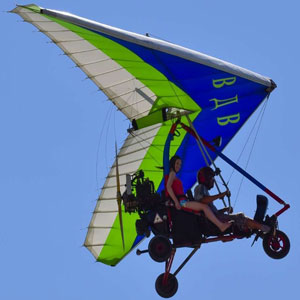
It is a strange thing to feel the wind before you hear the engine. In the flex-wing microlight, the pilot sits in a harness suspended beneath a fabric wing that bends and twists with the air’s mood. This design, born from the hang glider, offers a raw experience that draws many South Africans to ask what does microlight mean in its purest form. The wing’s flexibility absorbs turbulence differently from rigid structures, which can be a comfort on a hot Highveld afternoon when thermals build over the ploughed fields.
Trikes take this concept and add a wheeled carriage, or pod, which changes the character of the flight entirely. The pilot and passenger sit in tandem, exposed to the elements, which makes a morning flight across the Mpumalanga escarpment a sensory event. The controls remain simple, a horizontal bar that shifts the wing’s centre of gravity, and this simplicity is the core appeal. To truly understand what does microlight mean, you must feel the direct connection between your body and the sail above you.
The defining traits of these aircraft are worth noting:
– A wing profile that is not rigid but maintains its shape through air pressure and cable tension
– A control system that relies on weight shift rather than hydraulic or mechanical linkages
– A takeoff and landing roll that can be very short, even from a rough farmer’s track
Many pilots prefer this setup for low-level scenic flights because the absence of a cockpit allows for an unobstructed 360-degree view. The sensation is closer to riding a motorcycle than driving a car, and for the private owner, this is often the reason they pursue their licence. The question of what does microlight mean for the bush pilot is answered by the trike’s ability to launch from a dry riverbed and climb slowly over the acacia canopy. It is not about speed; it is about perspective.
Powered Paragliders and Paramotors
The quietest answer to what does microlight mean arrives on a paramotor. There is no carriage, no pod, only the pilot strapped to a frame carrying a propeller and a wing that inflates above them like a slow breath. In South Africa, the popularity of these machines grows because they offer the lowest barrier to entry in all of aviation. You can fly from a grassy patch near a farmhouse in the Free State, and the entire rig fits into the back of a bakkie.
Powered paragliders and paramotors strip the concept of flight down to its bare elements. The wing is a fabric canopy that inflates with the forward thrust of the motor. The pilot controls direction through toggles and weight. This category has its own practical considerations for the South African flyer.
– Training for a paramotor licence is often shorter than for other microlight classes.
– The equipment cost is significantly lower.
– The flying speed is slower, which changes how you read the landscape.
– Weather dependency is higher, with wind limits below the thresholds that stop trikes.
The pilot sits in a harness, and the engine hums behind their shoulders. This configuration answers what does microlight mean for those who want the absolute minimum between themselves and the sky. Thermic activity over the Karoo can be sharp, and the paramotor’s slow speed means you feel every shift of air. It does not climb like a trike, nor does it cover distance quickly. It offers a deliberate, intimate cruise over the bushveld, where the smell of grass and dust reaches you at flight level. The powered paraglider is the subcategory that uses a smaller, more agile canopy, while the paramotor uses the larger, classic wing. The distinction matters when you plan for cross-country hops or simply a sunset glide along the coast. This is aviation reduced to its quietest impulse, and for many, it is the truest version of what does microlight mean.
Gyrocopters and Rotorcraft Microlights
In the previous section, we explored powered paragliders. This category offers the absolute minimum between pilot and sky. Now we turn to a machine that looks like a helicopter’s rebellious cousin. The gyrocopter, or autogyro, answers what does microlight mean with a spinning rotor that is not powered by the engine. The rotor turns from the air rushing through it as the machine moves forward. The engine drives a propeller at the rear to provide thrust, not lift.
This design has one profound safety feature. If the engine quits, the rotor keeps spinning. It auto-rotates, and the gyrocopter descends at a controlled rate, offering a glide path that can be remarkably gentle. It cannot stall in the traditional sense. This rotorcraft microlight feels entirely different from a fixed-wing or flex-wing model. There is a mast above you, a rotor disc humming a constant, rhythmic thud. The controls are direct and sensitive, and the machine responds with an agility that feels unnatural at first.
Consider the specifications of a typical light gyrocopter in South Africa. The rotor diameter is around 8 meters, and the machine lives for the runway. It is stable in turbulence, which larger trikes avoid. It flies slower than a fixed-wing, but faster than a paramotor.
– The pre-rotation of the rotor requires a specific procedure before takeoff.
– The landing roll is often shorter than the takeoff roll, thanks to the rotor’s energy.
– Two-seater gyrocopters offer a training path that is structured and thorough.
The sensation is closer to flying a small, open-cockpit helicopter, but with simpler mechanics. This category broadens what does microlight mean for pilots who want rotorcraft performance without a helicopter’s maintenance headaches and cost. Every flight in a gyrocopter is a conversation with rotor management. You feel the blade tip path through the cyclic stick, and the entire frame vibrates with each rotation of the disc. A pilot must understand rotor rpm, disc loading, and the fine line between a stable climb and a rapid descent. The answer to what does microlight mean here is a machine that demands respect and delivers a unique, visceral flight experience.
Foot-Launched Microlight Variants
Every gram earns its place on a foot-launched microlight, because your legs are the only landing gear! Remove the wheelbase and you remove weight, but also the stability of a tricycle undercarriage. The category spans unpowered hang gliders and powered harness variants with a motor bolted to a flex-wing frame.
Launch is a controlled run. You grip the A-frame control bar, accelerate until the sail lifts, then fold your legs onto the harness step. Weight-shift steering translates each hip movement through cables and battens to the wing.
- A foot-launched rig packs into a bag under 30 kilograms.
- A reserve parachute on the harness is mandatory.
So what does microlight mean at this edge of the spectrum? It means a machine that exists fully in motion, where your balance replaces the landing gear and your focus replaces the cockpit. The feedback is immediate, and the margin for error is thin.
Experimental and Homebuilt Microlights
When pilots ask what does microlight mean in the experimental and homebuilt arena, the answer shifts from factory specifications to personal engineering. These machines are assembled from kits, plans, or scratch, often modified to suit an owner’s specific flying style. The experimental designation offers freedom within safety boundaries.
Homebuilt microlights attract a dedicated South African following. Builders select engines, instruments, and airframe materials with precision. The category typically includes:
- Modified trike frames with custom suspension
- Re-engined fixed-wing designs
- Hybrid builds mixing components from different manufacturers
Understanding what does microlight mean in this context requires appreciating the builder’s role as both designer and pilot. Every rivet and cable carries personal responsibility.
Regulations, Licensing, and Certification
Global Regulatory Bodies and Frameworks
One of the most common misconceptions surrounding the term is the assumption that these aircraft operate in a legal vacuum. The reality is far more structured. To truly understand what does microlight mean in a practical sense, you must look at the intricate web of rules that govern their existence. Global regulatory bodies have spent decades crafting frameworks that attempt to balance the spirit of open-air freedom with the hard necessities of airspace safety, creating a system that is both liberating and exacting.
At the international level, the International Civil Aviation Organization (ICAO) sets the baseline standards, though it defers specific classifications to national authorities. This is where the definition becomes nuanced. The Fédération Aéronautique Internationale (FAI) establishes sporting and record-setting parameters, but for a pilot to actually fly, they must contend with local laws. In South Africa, the Civil Aviation Authority (SACAA) and the Aeronautical Association of South Africa (RAASA) administer the rules, which can differ substantially from those in Europe or the United States regarding maximum takeoff weight and stall speed.
For most nations, the regulatory framework hinges on a few core pillars. These typically include:
– A maximum all-up weight, often around 450 kg to 544 kg depending on the country and whether it is a landplane or seaplane.
– A maximum stall speed, ensuring the aircraft flies slowly enough to be considered low-energy.
– A restriction on seating capacity, usually limited to two persons.
– Specific requirements for fuel capacity and control systems that favor simplicity.
Certification follows suit. A pilot does not simply buy a microlight and take to the skies. They must acquire a specific license or rating, which involves ground school, flight training, and a medical assessment. The aircraft itself must also be registered and inspected, ensuring it meets the airworthiness standards set for its class. The process is rigorous precisely because the margins are thin; the certification ensures that the very lightness that makes these machines so alluring does not compromise the integrity of the flight. These rules, while bureaucratic, are the silent guardians that allow the dream of personal flight to remain a safe and accessible pursuit.
Pilot Licensing Requirements and Medical Standards
Ask a microlight pilot what does microlight mean and you will hear about freedom. Ask a flight examiner and you will hear about paperwork. In South Africa, the SACAA and RAASA demand a proper license before you can fly. That means ground school, a minimum number of flight hours, and a radio telephony certificate. The medical requirements are mercifully less intense than a commercial airline check, but they are still enforced. You need a Class 4 medical assessment to confirm you can see, hear, and react. The practicalities break down as follows:
- A medical certificate valid for 24 months if you are under 40.
- An annual renewal if you are older.
- A logbook demonstrating recent flight time.
So when someone asks what does microlight mean, the honest answer includes proving you are fit for the sky. Buying a wing and jumping off a hill will not cut it.
Aircraft Certification and Airworthiness Standards
To understand what does microlight mean in a regulatory sense, look at the certification process. In South Africa, every microlight requires a valid authority to fly, issued after a thorough inspection against the applicable airworthiness standards. The process is rigorous. An examiner checks the structure, the control systems, and the engine. The paperwork proves the machine will behave itself at speed and under load.
A few hard rules govern certification:
- Type acceptance or proof of compliance with recognised design standards.
- A certificate of airworthiness, renewed annually.
- Maintenance logs showing every repair and replacement.
Skip these and your microlight is grounded. Certification exists to separate a dependable aircraft from an unsafe one. That distinction saves lives!
Operational Restrictions and Airspace Rules
Once a microlight clears certification, the airspace itself imposes the next set of boundaries. In South Africa, what does microlight mean in practice? It means staying out of controlled airspace unless you have a specific clearance. Cape Town International and OR Tambo, for example, demand transponders and two-way radio contact. Most microlight pilots simply plan around these zones.
Operational restrictions are equally firm:
- Daytime flying only, unless the aircraft has approved lighting
- Minimum visibility of five kilometres
- No flight over built-up areas below 300 metres
- No aerobatic manoeuvres
Understanding what does microlight mean also requires knowing these operational rules. They shape every flight. The regulations do not treat microlights as toys. They treat them as aircraft with limits, and respecting those limits keeps the pilot, and everyone below, safe.
Regional Variations Across North America and Europe
Ask what does microlight mean in North America, and the FAA answers with Light-Sport Aircraft. Across Europe, the answer shifts. EASA delegates microlight regulation to national bodies, which explains why a UK permit differs from a German DULV certificate.
Licensing variations are just as telling:
- North America: the FAA Sport Pilot certificate with a driver’s license medical.
- United Kingdom: the NPPL with a self-declared medical.
- Mainland Europe: national microlight licences often honoured through bilateral agreements.
Certification varies too. European microlights typically cap at 450 kilograms, while the US LSA rule allows a higher gross weight. For a South African pilot, understanding what does microlight mean regionally matters when importing aircraft or converting licences.
Training, Costs, and the Flying Experience
Training Pathways and Certification Process
At a South African airfield, the question what does microlight mean surfaces when someone sees a trike overhead. Training starts with ground school, where you learn aerodynamics and weather theory. Then comes dual instruction in a two seat trainer. Most students need 15 to 20 hours before their first solo flight.
Costs vary across provinces. A full licence typically sets you back between R80,000 and R120,000, covering flight hours, exams, and rental fees. Here is the standard breakdown:
- Aircraft rental per hour
- Instructor fees
- Airfield charges
- Licence and exam costs
The flying experience itself is raw. You sit exposed to the wind, with nothing but a wing and a throttle. Lift, engine drone, and tilting horizon make it addictive. That direct feel answers what does microlight mean better than any manual. I promise you, that first solo is unforgettable!
Cost of Purchasing and Owning a Microlight
Owning a trike shifts the financial equation dramatically. While renting eliminates capital outlay, the real commitment begins when you sign the papers for your own machine. A new fixed wing model can cost anywhere from R250,000 to R400,000, while a second hand unit might set you back R120,000. One must also consider the hangarage fees and insurance premiums that follow you home.
Ongoing ownership costs are unforgiving. You will need to budget for the following annual essentials:
Aircraft insurance and hull coverage
Mandatory maintenance and annual inspection
Engine overhauls after a set number of hours
Replacement of the wing fabric or propeller
The monetary outlay explains why many pilots treat their craft as a prized possession. The direct operating costs of fuel and oil, however, remain modest when compared to a certified aircraft. For those who fly purely for passion, the trade off between a R120,000 investment and the raw liberation of flight becomes a personal calculation.
This financial reality answers what does microlight mean for the budget conscious aviator. It is a niche where private ownership remains possible without a syndicate or a commercial operation behind you. The exposure to the elements costs you nothing extra, but the maintenance bills ensure that nothing about this hobby is truly free. The unlucky ones who crash also discover that repairing a trike is not a simple task, and the wait for parts can ground you for months.
Maintenance Requirements and Operating Expenses
Training for a microlight licence in South Africa demands roughly 25 hours of dual instruction. At R1,500 per hour, you are looking at R37,500 before exam fees and your first solo flight. Weather cancellations stretch the timeline, but they also teach patience, which every pilot needs.
The flying experience itself is raw. You sit in the open, the wind buffeting your face, and the engine thrumming directly behind your head. Control inputs are immediate. Your weight shifts matter. Every thermal and gust demands a response.
Once licensed, the operating expenses follow a steady rhythm. The recurring items include:
- Fuel at roughly R150 per flight hour
- Two-stroke oil for every refuel
- Annual maintenance and inspection by an approved technician
- Propeller and wing fabric replacement over time
This breakdown shows what does microlight mean for the South African flyer: a pathway to the sky that remains within reach, provided you respect the maintenance schedule.
The Sensation of Flying a Microlight
The first time you throttle up, the sensation is unmistakable. For roughly R37,500, a 25 hour training course gets you to solo flight, with exam fees adding to the tab. Weather cancellations stretch the timeline, but every hour builds the judgment you need.
Once licensed, the recurring costs settle into a rhythm. You plan your budget around a predictable set of expenses, including fuel at R150 per hour and two stroke oil at every refill. Annual inspections and the eventual replacement of the propeller and wing fabric keep the aircraft airworthy.
The flying experience is raw and immediate. Wind buffets your face, the engine thrumming behind your head. Control inputs demand a response. Your weight shifts matter.
What does microlight mean for the South African flyer? It is a direct line to the sky, a reward for respecting both the machine and the budget.
Choosing the Right Microlight for Your Needs
When you ask what does microlight mean, the answer changes once you start choosing your own aircraft. Training plays a decisive role. A flex-wing trike teaches weight-shift control, while a fixed-wing microlight feels closer to a conventional aeroplane. I suggest logging a few hours in each type before committing.
Costs also separate the options. Newer engines burn less fuel, but parts cost more. Here is where your budget meets reality:
- Inspect the propeller condition before purchase.
- Compare wing fabric replacement schedules.
- Check insurance premiums for your licence class.
The flying experience matters most. An open cockpit gives you a raw connection, but South African summers demand sun protection. Enclosed designs reduce noise but lose that immediate breeze. Choose based on how you intend to fly, not how the plane looks on the tarmac.
Safety, Maintenance, and Community
Safety Record and Common Risk Factors
There is a quiet arithmetic to safety in microlight aviation. It is not found in a single dramatic gesture, but in the accumulated wisdom of a community that watches the sky with a shared, knowing eye. The statistics are clear. When you look at what does microlight mean in terms of operational risk, you find a record that, when measured against the number of hours flown, compares favourably to many larger forms of general aviation. The common risk factors are not mysterious. They are the familiar spectres of low-level wind shear and the sudden, unforgiving shifts of weather over the Highveld.
Maintenance is the silent partner in every flight. A microlight asks for your attention, not your obsession. The fabric of the wing needs your fingers to feel for tension. The cables demand a glance for any fray. It is a ritual that binds pilot and machine, ensuring each departure is a continuation of a safe conversation, not a gamble. The engine, a marvel of modern engineering, requires the same reverence you would offer any thoroughbred, with regular oil changes and careful inspection of the cooling fins.
Beyond the individual, there is the community. This is where the true character of the discipline shines. The South African microlight fraternity is a tight knit group, and the safety culture is reinforced by an unwritten code of responsibility. Pilots share information on local conditions and newly discovered hazards with a candor that is refreshing. The safety record is further strengthened by a system of mutual respect in the air. It is a brotherhood of the air, and its vigilance is the most reliable avionics you can carry.
Preventative Maintenance and Inspections
Pilots who understand what does microlight mean in daily practice know that safety is a habit. It lives in the small rituals before takeoff. A thorough pre-flight inspection takes about twenty minutes, and that time buys a great deal of peace. You learn to read the wing fabric for the dull spots that signal wear. You run your hand along the cables to feel for broken strands. You listen to the engine as it warms up, learning the particular rhythm that says all is well. The routine becomes second nature, but it never becomes optional.
Preventative maintenance follows a logical schedule that keeps surprises at bay. The manufacturer provides intervals for major checks, and these form the backbone of ownership. Between those milestones, you develop your own rhythm of small checks after every flight. It is a practical arrangement. The aircraft gives you clear warnings when it needs attention, and you learn to respect them.
– Check the wing for tears or chafing at the attachment points
– Inspect the throttle cable for smooth action and secure fittings
– Look for oil seepage around the engine mounts and cylinder heads
– Confirm the wheel bearings turn freely with no gritty resistance
I have found that the community adds the final layer of vigilance. At my local airfield, pilots share notes on odd behaviours they noticed in their machines. Someone spots a worn fitting and mentions it over coffee. Another pilot describes a strange noise at a certain throttle setting. This exchange of information is invaluable. It costs nothing, yet it prevents incidents that paperwork might miss. The shared knowledge strengthens every flight, and newcomers learn quickly to listen and contribute. When someone raises a concern, others pay attention. This collective awareness is the quiet engine of the sport’s reliability record.
Safety Gear and Equipment Essentials
Understanding what does microlight mean in practice starts with safety gear. The helmet is mandatory. A proper aviation helmet protects against impact and reduces wind noise. The parachute system is another essential. For flex-wing pilots, a ballistic reserve chute can be deployed even at low altitude. This equipment is not decorative.
Check your kit before every flight:
- Helmet with secure chin strap and clear visor
- Reserve parachute within its service date
- Handheld radio with spare batteries
- First aid kit secured to the airframe
Beyond personal gear, pilots must verify their instruments match local conditions. What does microlight mean when choosing a variometer? The South African highveld presents unique challenges. Strong thermals and sudden wind shifts require accurate responses. A basic panel should include an airspeed indicator, altimeter, and variometer, with the latter being the tool that makes thermal flying possible.
Community forums regularly discuss which gear performs best in local conditions. This shared wisdom shapes purchasing decisions more than manufacturer claims. The maintenance of safety gear follows the same principle: small checks after every flight, deeper inspections on a schedule.
Microlight Clubs, Events, and Community Culture
Safety is a habit, not a checklist item. I walk around my aircraft the same way every time, running fingers over control cables and checking fuel lines for cracks. Maintenance happens on a rhythm:
– Daily checks after flights for obvious wear
– Deeper inspections after twenty flight hours
– Torque checks on engine mount bolts every month
Community culture keeps the sport grounded. Clubs at places like Panorama and Kitty Hawk host weekend fly-ins where trike pilots and fixed-wing owners compare notes. The events mix serious briefings with relaxed hangar talk. A shared breakfast flight to a farm stall turns practical. New pilots absorb the norms by watching how experienced flyers prepare their machines.
What does microlight mean in practice? It means owning this routine fully and finding your people among those who do the same.
Weather Considerations and Flight Planning
Ask any seasoned pilot what separates a good flight from a close call, and the answer rarely involves dramatic aerobatics. It comes down to the mundane rituals performed before the engine even turns over. For those asking what does microlight mean in the realm of personal aviation, the answer is a promise of total responsibility. The machine only performs as well as the preparation behind it.
Weather on the Highveld can shift from glassy calm to a brooding menace within an hour. Flight planning becomes a conversation with the sky, not just a glance at a radar app. You learn to read the cumulus build-ups forming over the Drakensberg and know precisely when to turn back. A standard checklist might include checking wind sock behaviour at the field, verifying the Notams for restricted airspace near Waterkloof, and confirming your fuel reserves for a diversion to an alternate strip.
Experienced pilots treat maintenance as a dialogue with the aircraft. Before each flight, a quick visual sweep catches the signs that matter, like chafed wing wires or a damp patch near the fuel bowl. On a monthly cycle, the list grows more particular:
– Inspect the propeller hub bolts for any sign of movement
– Grease the pivot points on the control bar
– Check the parachute re-pack date stamped on the harness
– Verify the magneto timing after every fifty hours of operation
Community wisdom fills the gaps that manuals miss. A fellow flier at a club like Kitty Hawk might casually mention that the strip at a particular farm gets tricky when the maize is tall. That shared knowledge, passed over hangar coffee or a pre-flight briefing, sharpens your own judgement. When the wind picks up from the west, you watch how the older trike pilots choose to stay grounded, and you learn to read the same signals in the trees and the dust. What does microlight mean when you fly under this discipline? It means you master the routine until it becomes second nature, and you find your people among those who respect the same quiet rituals.