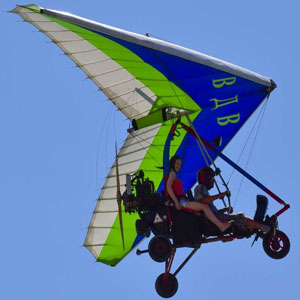

Comprehensive outline for microlight aviation licensing
Understanding licensing basics
South Africa’s aviation scene is moving toward accessible, hands-on flight. The microlight license acts as a practical entry point for curious pilots eager to explore the sky without a heavy training load.
Comprehensive licensing basics cover who can qualify, how training is structured, and what medical and airworthiness standards apply. To outline the essentials, consider these core elements:
- Eligibility and age thresholds
- Medical requirements and ongoing fitness
- Training hours, assessments, and licensure milestones
In South Africa, SACAA governs microlight licensing, detailing permitted aircraft types and operational limits. The microlight license thus defines what pilots may fly, where they may operate, and how renewals are handled.
Training pathways and curricula
Charting a path to the microlight license in South Africa is about disciplined progression as much as passion for the sky. Training designers fuse theory with hands-on flying, turning curiosity into credible piloting through steady, guided practice. As a seasoned instructor notes, progress is tangible when preparation meets practice.
Training pathways flex to fit life, with modular blocks that maintain rigor. Curricula cover aerodynamics basics, weight-shift control, pre-solo maneuvers, and safety-centered decision making, culminating in assessments that verify competence before authorizing operation.
- Ground theory and air law
- Practical flight sessions
- Solo flights and cross-country practice
- Final assessments and licensure milestones
This structured approach gives South African pilots a credible ladder to the sky, where the microlight license becomes a reliable entry point rather than a distant dream.
Regional licensing variations and recognition
The sky is global, but licensing remains deeply local. The microlight license is a carefully mapped framework that recognises regional nuance while preserving a clear ascent path for pilots in South Africa and its neighbours. What a paradox, and precisely why understanding regional variation matters.
Regional licensing variations and recognition shape practical realities: pilots may find different hours-for-solo thresholds, distinct medical classifications, and varying cross-border allowances depending on where they fly.
- Regional licensing variations and recognition
- Reciprocity with neighboring authorities
- Medical and currency requirements
Across borders and airspaces, the microlight license remains a portable credential, tempered by local context and mutual respect among regulators.
Maintaining skills and ongoing safety
Across SA skies, a microlight license is more than permission—it’s a promise to train, adapt, and stay sharp! A comprehensive outline for microlight aviation licensing keeps safety at the heart of every flight through deliberate practice, regular proficiency checks, and ongoing evaluation. In the varied South African milieu—coastal winds, veld heat, and mountain thermals—maintaining skills means treating each sortie as a chance to refine control, judgment, and situational awareness.
Key pillars for sustaining competence include:
- Proficiency currency and periodic reviews that ensure hands-on readiness
- Medical fitness and regulatory currency aligned with local expectations
- Airspace updates, weather interpretation, and regional awareness for microlight operations