by | Jun 14, 2026 | Blog
Understanding take-off performance in microlight aircraft
Factors influencing take-off performance under varying conditions
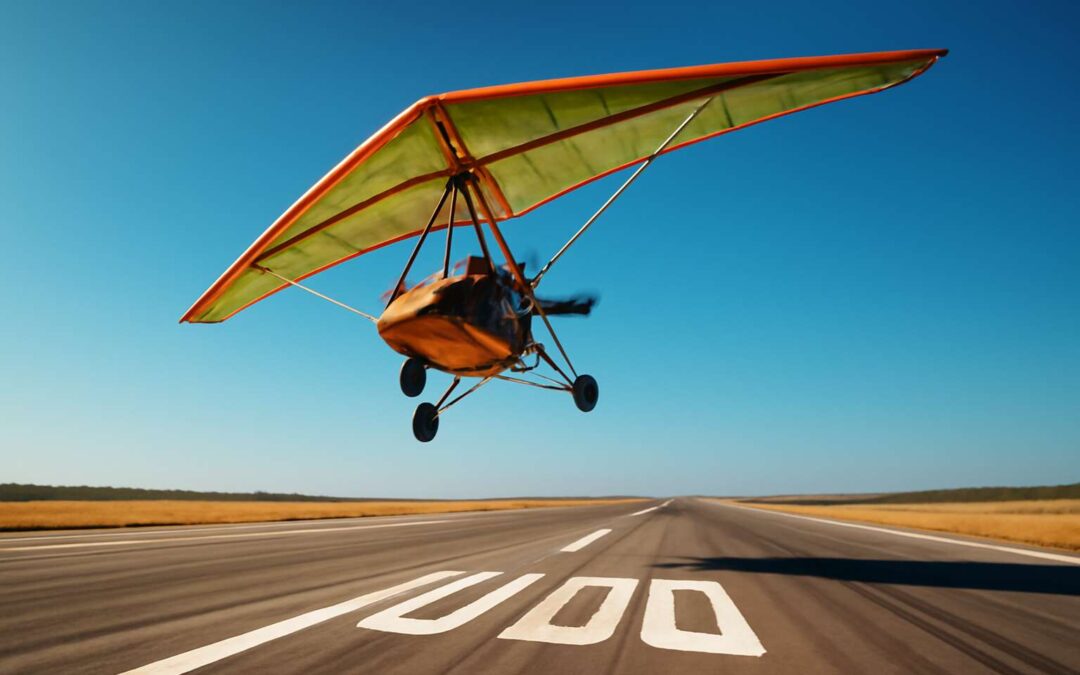
Air grows thinner and the horizon seems closer when the sun bakes the tarmac. Understanding microlight take off distance is more than curiosity—it’s a guardian of margins and momentum in SA skies. “The air never lies,” a veteran pilot likes to say, and in heat that truth bites.
Take-off performance hinges on several moving parts that shift under varying conditions:
- Weight and balance influence lift and runway needs.
- Wind, direction, and runway slope alter acceleration.
- Air temperature and density affect lift and engine power.
- Surface condition and altitude challenge grip and roll.
The mystery of every departure lies in the air masses, the ground, and the quiet mathematics of lift and speed.
Weather, wind, and surface interactions
“The air never lies,” a veteran pilot likes to say, and in SA skies it bites hardest when heat thins the air. Understanding microlight take off distance is more than curiosity—it’s a guardian of margins and momentum on the veld and tarmac alike. When the sun bakes the runway, lift becomes a quiet negotiation between mass, wing, and speed, and I’ve watched the moment when air and ground finally agree, and the heat bites!
Consider these weather, wind, and surface interactions that shape that distance:
- Density altitude shifts lift and engine power in heat.
- Gusts and wind shifts can alter the ground roll.
- Moisture, dust, or rough surfaces change acceleration just enough to matter.
Every departure writes a memory of air meeting ground; in these moments, distance becomes a story of seam and speed that stays with you long after the wheels stop.
Weight, balance, and configuration impact on take-off
Weight, balance and configuration decide the ballet of lift and run on every microlight departure, and in SA skies, a single centimeter shift can rewrite the runway’s memory. A seasoned SA pilot reminds me that weight is a whisper that can shout on the runway; when ballast biases fore or aft, take-off becomes a measured negotiation between mass and momentum, shaping microlight take off distance as a living metric.
- Load fore and aft to keep CG near the wing’s spar, easing rotation.
- Fuel, ballast, and baggage distribution matter—small shifts change pitch and acceleration.
- Configuration choices such as gear setup and control throws influence how quickly you lift.
On the runway, every gram has a memory, and in balance we hear the air meet the ground with grace!
Runway length, surface quality, and altitude effects
In the SA air, the take-off distance is less a fixed line than a memory the runway keeps. A veteran South African pilot murmurs, “The runway remembers every grain,” and that refrain lands with the throttle, reminding us lift is a negotiation with earth rather than a conquest.
Understanding microlight take off distance ties to three unyielding variables: runway length, surface quality, and altitude. A longer runway extends the window to rotate; a smooth surface lowers drag and preserves grip; altitude thins air, nudging power and lift apart and pushing distance upward. The result is a delicate calculus that blends asphalt and atmosphere in a single breath of flight.
- Runway length and the acceleration-rotation window
- Surface quality and its impact on drag and grip
- Altitude and air density shaping lift
Key performance drivers for short-field take-offs
Power output and engine performance considerations
Across South Africa’s microlight strips, the punchline isn’t just runway length—it’s the engine’s bite at take-off power. The microlight take off distance hinges on how quickly peak power arrives when you wind the throttle forward and the prop grabs the air.
Power output and engine performance considerations are the twin levers in this drama.
- Power curve alignment with propeller efficiency
- Thermal management to prevent power sag in hot fields
- Fuel quality and octane compatibility
- Engine timing and reliability for consistent thrust
Get the feel for the ride: when power is predictable and the prop doesn’t stall, the microlight take off distance becomes a matter of grammar, not luck, on a field where even the grass has an opinion.
Wing loading and lift characteristics at rotation
In microlight operations, wing loading and lift characteristics at rotation are the true levers of short-field take-offs. On South African strips—grass, scrub and heat—the microlight take off distance shifts with how quickly the wing can generate lift as the nose rises. Wing loading sets the lift demand at rotation, and that demand shapes the speed and attitude needed to break ground.
- Wing loading relative to gross weight and wing area
- Lift characteristics at rotation: how quickly lift rises as pitch increases
- Airfoil efficiency and the effect of control surfaces during the acceleration phase
When these dynamics align, take-off distance follows a clean script—no guesswork, just predictable stride! The microlight take off distance becomes a matter of physics, especially in hot SA fields where heat saps lift and weight shifts the balance.
Ground roll dynamics and acceleration planning
In high SA heat and on grass or scrub strips, the short-field performance of a microlight is less about raw power and more about how quickly lift responds after rotation. Ground roll becomes a canvas where grip, surface condition, and rolling resistance set the baseline for the microlight take off distance!
Ground roll dynamics and acceleration planning shape this baseline. A strong push toward efficient acceleration minimizes energy wasted in drag and maintains a predictable speed curve as weight shifts during the roll. Consider how surface texture and grass maturity influence friction and how that translates into the length of the roll before rotation.
- Ground contact quality and rolling resistance
- Power response and engine torque during the roll
- Rotation timing relative to available speed
The result is a coherent take-off envelope that makes short-field performance a matter of physics rather than guesswork, even when SA fields burn hot and the air is thin.
Practical planning for safe take-offs
Weight management, fuel planning, and payload strategies
In South Africa’s sun-bright airstrips, every gram counts and every decision ripples along the runway. A steady stat whispers of the craft: 70% of safe take-offs hinge on smart load and fuel planning. This practical planning directly shapes microlight take off distance and safety margins, turning a potentially jittery roll into a confident, clean ascent. The magic, it seems, begins long before rotation—with the quiet arithmetic of payload, fuel, and air in balance.
- Weight management concepts: understanding gross weight limits and center-of-gravity awareness.
- Fuel planning concepts: ensuring adequate endurance and appropriate reserves for the mission.
- Payload strategies concepts: distributing gear to support balanced lift and stable handling.
When these considerations are balanced, the aeroplane meets the strip with poise, and lift arrives as a measured, almost lyrical certainty—an echo of open skies over South Africa’s vast horizons.
Performance trade-offs between payload and distance
South Africa’s sun-bright airstrips teach a blunt truth: take-off is a moment of quiet negotiation with air itself. The microlight take off distance becomes a tangible figure, not a stubborn number but a living measure that unfolds as lift gathers. On the ramp, every gesture carries consequence, and the horizon answers back with patient certainty!
- Balance and trim whisper in the wake of power—composition shapes the initial roll more than sheer force.
- Surface texture, heat, and subtle wind cues sketch a map of distance on the ground.
- That brief pause before rotation tunes anticipation and steadies the senses.
- The aircraft’s stance and natural flutter of the frame speak volumes about handling in the climb.
Practical planning threads speed, space, risk, and trade-offs into a single, elegant ascent—an act of trust between pilot, machine, and the open sky over South Africa.
Braking, drag, and airframe configuration impacts
South Africa’s open skies teach a blunt lesson: microlight take off distance isn’t a fixed line but a living measure. ‘The ground is patient; the air is honest,’ a seasoned pilot recalls, and across many flights braking feel and the airframe’s subtle stance whisper what lift will demand in the next heartbeat.
- Braking quality and the transition from rollout to lift-off
- Drag management through clean airflow and mindful airframe configuration
- Rotation dynamics shaped by stance, trim, and power on
In practical planning, these threads thread together into a single ascent—a trust between pilot, machine, and the vast South African sky. The memory of that measured distance lingers on the ramp, audible in the engine’s heartbeat as the climb begins and the horizon accepts the ascent with patient certainty.
Pilot technique, rotation timing, and climb profile
South Africa’s dawn air reveals a blunt truth: microlight take off distance is a living measure, shifting with heat, grip, and the airframe’s quiet stance. Ground and sky bargain in a brisk exchange—roll, rise, then lift arrives as the horizon nods. On the ramp, that distance becomes a compass, guiding the opening seconds toward a calm, confident climb.
Practical planning threads technique, rotation timing, and climb profile into a single, breathing rhythm.
- Rotation timing: a measured transition that preserves alignment
- Climb profile: smooth acceleration with balanced lift
- Pilot technique: steady hands, sharp scanning, subtle adjustments
Let the air dictate pace and pressure; the memory of distance returns as confidence, not bravado, shaping every subsequent departure.
Contingency planning and safety margins
In the blistering clarity of dawn over South Africa, practical planning treats the microlight take off distance as a living gauge rather than a fixed number. By reading the field, the surface, and the air’s mood, you choreograph a safe opening roll—no heroics, just rhythm. The distance adapts with temperature and gravity; planning is a dialogue, not a demand. We frame the take-off like a small performance: smooth, measured, and ever respectful of the horizon.
Contingency planning and safety margins come next. They are less about drills and more about reading the room for surprises: gusts, surface quirks, or a last-minute switch in light. If the air shifts, the margin absorbs the ripple; if visibility narrows, the design holds its breath. I treat the microlight take off distance as a weather report you can read before you commit. Let the air dictate pace; the distance returns as calm, practiced certainty.
Regulatory, training, and testing considerations
Airstrip classifications, permitted operations, and regulatory limits
South Africa’s microlight community thrives under regulations and runway realities. A precise take-off metric isn’t fixed; it shifts with airstrip type, operator readiness, and SACAA standards, creating a living, field-tested landscape!
- Airstrip classifications: hard surface, compacted earth, or grass; site suitability and maintenance standards.
- Permitted operations: daylight, visual flight rules, and defined operating envelopes per airfield.
- Regulatory limits: licensing, medical requirements, and airspace constraints that shape flight planning.
When assessing microlight take off distance, training and testing become the proof that pilots meet regulatory expectations and safety margins. Certification paths, medical fitness, and ongoing proficiency are woven into daily decision-making.
In addition, training regimes emphasise simulated and real-world scenarios before solo flights, aligning with the South African framework. Testing emphasizes competency, consistency, and adherence to procedural norms that underpin predictable acceleration and rotation behavior.
Checklists and standard operating procedures for take-offs
At dawn over South Africa’s airstrips, regulatory clarity is the quiet engine of safety. The SACAA framework governs licensing, medical fitness, and airspace, shaping who may fly and where. A clean envelope—daylight, VFR, and field permissions—keeps operations steady.
- Licensing verification and medical status
- Airspace clearance and coordination
- Airworthiness and maintenance records
- Field-specific operating envelopes
Training grounds the mind and body; simulations meet the realities of take-off. Certification paths and ongoing proficiency weave into daily judgment, with checklists serving as a refined language of preparation. Training aligns technique with the realities of microlight take off distance and kinetic balance.
Testing reinforces standards: competency, consistency, and adherence to procedural norms underline predictable rotation and acceleration. The focus on rigorous evaluation anchors training to real-world performance and to the microlight take off distance as a tangible measure on the runway.
Training, proficiency, and recurring evaluation effects
The dawn light over South Africa’s airstrips is a reminder: regulatory clarity is the quiet engine of safety. A striking 68% of microlight pilots report smoother starts after formal training, according to SA flight schools’ audits. Rules that predict the path keep decisions crisp.
Regulatory considerations sit at the heart of take-off success. In this country, the framework sets clear boundaries on who may fly, where, and under what conditions, reducing chaos as you roll.
- Regulatory alignment and currency tracking
- Structured training progression with simulators
- Ongoing proficiency assessment cadence
Training fuses study with hands-on practice, using simulations to mirror the take-off roll and climb. Regular currency checks and refreshers keep pilots attuned to microlight take off distance.
Testing isn’t punishment; it’s about consistency. Competency checks and routine evaluations anchor training in real flight, ensuring that judgment translates into predictable rotations.
by | Jun 12, 2026 | Blog
Overview of microlight flights over Blyde River Canyon
What is a microlight flight and how it works
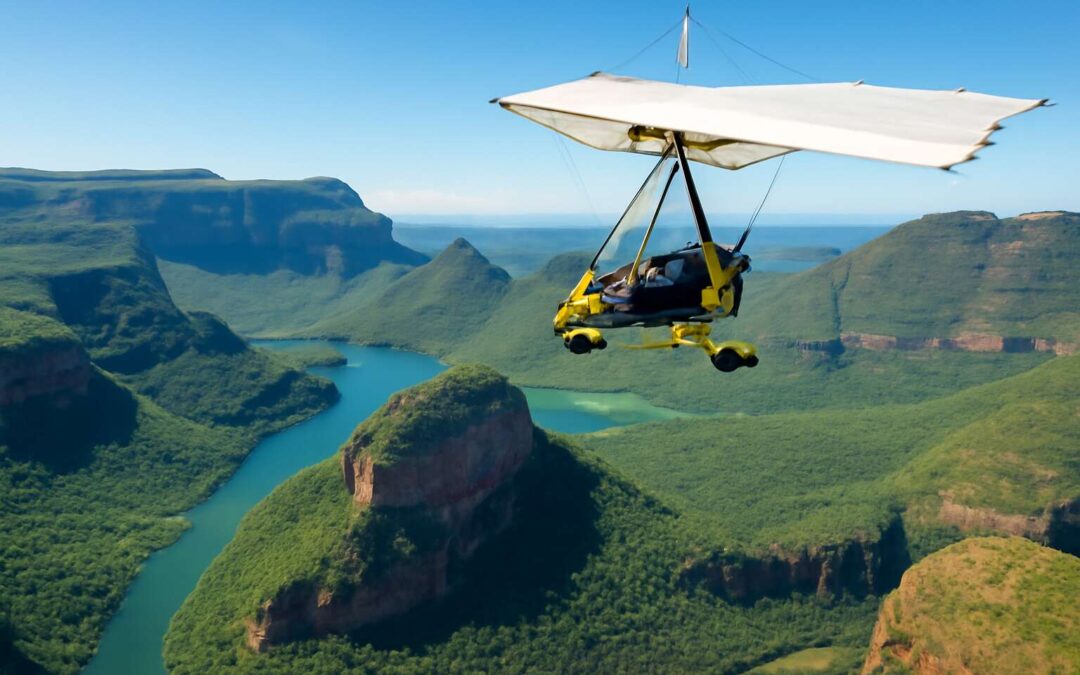
Across South Africa’s skies, microlight flight blyde river canyon delivers a punchy view of green gorges and waterfalls. More than 4 in 5 visitors get goosebumps in the first minute, as the canyon unfurls like a ribbon—dramatic and impossible to blink through. It’s a front-row panorama turning sunrise into a festival of rock and sky.
A microlight is a tiny, nimble craft that lifts you on wind and whim. When you try microlight flight blyde river canyon, you climb into a tandem seat, strap in, and let the horizon talk. Expect a quick takeoff, a steady climb, and clear windows.
- panoramic ridges and mopane forest
- waterfalls tumbling in slow motion
- close-up views of canyon walls and green valleys
Safety and weather steer this airborne theatre, best enjoyed in clear skies. You’ll walk away with photos, stories, and a stubborn urge to brag about microlight flight blyde river canyon.
Iconic canyon scenery and key landmarks you’ll see
A single microlight flight blyde river canyon reveals a living panorama—green walls, bronze river ribbons, and waterfalls that flow in slow motion. “The sky writes its legend here,” a seasoned guide often says, and from this vantage the canyon indeed feels intimate, a theater where stone and water script their story. The scale is staggering, yet the sensation is personal, a whisper of wind and sun along the escarpment.
Expect to crest above iconic landmarks and dramatic vantage points that have become sky postcards in the sky:
- Three Rondavels
- Bourke’s Luck Potholes
- Berlin Falls
- God’s Window
- Mac Mac Falls
Each feature reveals a fresh facet of the canyon’s sculpted beauty.
Safety, certifications and typical flight durations
More than 85% of first-time flyers say a microlight flight blyde river canyon redefines perspective, a sunrise-on-canvas moment you ride along the wind. Safety and certification anchor every journey, with SACAA-approved operators, seasoned pilots holding current medicals, and meticulous preflight briefings that set the tone for awe and assurance.
Flights are designed for clarity and comfort, letting you drift above green escarpment walls, bronze river ribbons, and tumbling falls without hurry.
- Introductory flights around 5–10 minutes
- Standard scenic loops about 15–20 minutes
- Extended routes up to 30 minutes for deeper panoramas
Each moment invites wonder and a whisper of wind, a personal chapter in the canyon’s living story.
Best time to book for optimal views and weather
Let the canyon reframe your sense of scale. A microlight flight blyde river canyon lifts you above emerald escarpments, bronze ribbons of river, and waterfalls that vanish into blue air. More than 85% of first-time flyers report a perspective shift that lingers long after landing—an awakening you carry into daily life. The flight condenses hours into minutes, inviting a fierce clarity about what matters as the canyon’s living story unfolds beneath your wings.
For optimal views, time your journey with Mpumalanga’s dry season and the day’s first or last light. The hour you choose becomes part of the canvas you carry home.
- Early morning flights offer glassy air and uncluttered panoramas
- Late afternoon slots bathe the canyon in warm, sculpted light
- Dry-season Windows (May–August) tend to deliver the most reliable visibility
Best viewing routes and canyon perspectives
Popular flight paths over the Blyde River Canyon
From a microlight flight blyde river canyon, the horizon ceases to be a boundary and becomes a shimmering map. Nearly 70% of first-time flyers report their sense of scale shifting within minutes, as emerald walls loom and the river threads through them like glass.
Best viewing routes follow the river’s sinuous turns and the canyon’s edge, catching light as it plays on quartz and fern. In this aerial ballet, you’ll drift between open benches of sky and intimate gorges, then glide over sheltered pockets where reflections linger.
- Riverside curves for continuous drama
- Escarpment edges for broad panoramas
- Canopy-level passes for quiet greens and moss
Popular flight paths over the Blyde River Canyon stitch together vantage points: broad first looks that widen into distant horizons, then close-in passes that reveal texture—water-worn rock and rain-slick ledges. The experience remains intimate, weightless, and relentlessly honest.
Landmark viewpoints: Three Rondavels, God’s Window, Berlin Falls
From a microlight flight blyde river canyon, the horizon loosens and becomes a living map, and nearly 80% of first-time flyers report their sense of scale shifting within minutes. Best viewing routes skim the river’s sinuous turns and the canyon’s edge, catching light on quartz and moss. In this aerial ballet, you drift between open benches of sky and intimate gorges, then glide over sheltered pockets where reflections linger.
Three Rondavels, God’s Window, and Berlin Falls rise as landmark viewpoints, each offering a distinct tilt on the canyon’s secret and song.
- Three Rondavels: prominent twin peaks that silhouette the plains at dawn
- God’s Window: a narrow balcony above emerald forests with a creeping valley below
- Berlin Falls: a curtain of spray where sunlight teases the rock
Carry your breath for the awe—the wind writes a language you can almost read, from the dusting quartz to the fern-scented shade.
Aerial photography opportunities and angles
A microlight flight blyde river canyon reveals the canyon as a living map—the river coils like a silver thread, the edge yawns, and quartz catches the sun like coins dropped from the clouds. The best viewing routes thread along the river’s sinuous turns and the canyon rim, where light sculpts mossy ledges and reveals little plateaus tucked in the shade. From this vantage, the horizon loosens and the landscape tilts into a painterly geometry that even a skeptic might salute.
- Panoramic sweeps that compress miles into a single frame, highlighting the canyon’s ribbon-like bends.
- Texture-focused shots of quartz bands, rock shelves, and spray halos near the falls.
- Reflections and sheltered pockets captured from just above the tree canopy for surreal depth.
Angles and opportunities flourish with the rotor’s rhythm: adjust altitude, chase changing light, and frame the canyon’s quiet drama as if composing a postcard from the sky.
Seasonal visibility and weather considerations
A microlight flight blyde river canyon sweeps you over a living map where the river coils like a silver thread and the canyon rim yawns. Best viewing routes thread along the river’s twists and the rim, with altitude shifts revealing mossy ledges and tucked plateaus. Light sculpts the rocks into painterly geometry, inviting a quiet reverie from the sky.
- Riverside arcs: follow twists for sweeping panoramas that compress miles into a single frame.
- Rimline silhouettes: skim the edge to capture quartz seams and mossy ledges.
Seasonal visibility changes with the weather. The dry season brings crisp horizons and golden light; the wet season drapes the gorge in mist and rainbows after showers. Humidity softens distant features, and wind patterns shape how the rotor reveals the canyon’s quiet drama.
Day-of prep and flight experience expectations
Booking processes, check-in, and weather contingencies
The canyon wakes at first light, and microlight flight blyde river canyon becomes a breath held between stone and sky. Day-of prep is a ritual of calm: layered clothing, secure footwear, and a concise briefing that sets pace—harness clicks, helmets settle, and nerves settle into the engine’s measured murmur! Pilots remind you that sightlines will sharpen as the horizon sighs open and the river threads its emerald corridor below.
Booking processes land with quiet efficiency, confirmations arriving promptly and arrival windows kept precise. Check-in is brief and courteous, final path chosen, and timing confirmed. Weather contingencies unfold like a prudent map! If visibility or wind tightens, the slot is rescheduled within the same day to guard safety and the memory of that skyward arc.
What to wear, what to bring, and safety gear
First light over the Blyde Canyon in Mpumalanga tends to steal breath. A recent survey finds 7 out of 10 flyers name the opening light as the moment of pure connection with the landscape. Your microlight flight blyde river canyon begins with calm preparation, a concise briefing, and a harness snugged into place.
- Layered clothing suitable for temperature shifts
- Closed-toe footwear with good grip
- Hat, sunglasses with a strap, and sunscreen
- A compact water bottle and any personal essentials
- A lightweight camera or phone secured with a strap
Safety gear is part of the experience—helmets, harnesses, and a brief harness check are standard. You’ll notice the engine’s measured murmur, sightlines sharpening, and wind brushing your cheeks as the canyon slides past in emerald light.
Pre-flight briefing and what to expect during takeoff and landing
First light over Blyde Canyon steals your breath and offers a view you’ll chase all day. A poll shows 7 in 10 flyers feel that opening glow awakens the landscape. On a microlight flight blyde river canyon, the engine hums, the canyon yawns, and the sky tilts toward wonder.
Day-of prep is crisp and reassuring: a concise briefing, a snug harness, and a quick weather nod.
- Briefing covers safety, route, and signals
- Harness and seating alignment
- Weather, contingencies, and expectations
Takeoff feels like sparking a conversation with the air—steady power, a gentle rise, and instant elevation that shows off the canyon’s edges. Expect crisp sightlines as the valley unfolds; landing is a calm, precise return to earth.
Family-friendly tips and accessibility considerations
Day-of prep for microlight flight blyde river canyon is crisp and reassuring: a concise briefing, a snug harness, and a quick weather nod. The ground crew guides you through the steps, easing nerves as the engine hums and the horizon broadens.
In flight, the experience is intimate and exhilarating. The canyon’s edges sharpen, the river glints below, and the air carries a quiet, grateful hush.
- Family-friendly considerations: younger travelers can share the thrill with secure seating and comfortable pacing, and staff tailor the experience to suit the family’s rhythms.
- Accessibility considerations: check ground access, adaptive seating, and viewing areas to ensure everyone can participate in the adventure.
The microlight flight blyde river canyon invites awe without sacrificing safety, making it a moment of shared wonder for South African families and curious explorers alike.
Pricing, packages and how to pick a microlight operator
Understanding pricing models and inclusions
Pricing for microlight flight blyde river canyon comes in a few simple flavors. Operators offer per-flight-hour rates, fixed scenic packages, and tiered combos that bundle flight time with add-ons like photo grabs and a post-flight briefing. “The sky is cheaper than therapy,” a pilot likes to joke, and bundled packages often deliver the best value for your air time.
- Flight durations and route options: 15–60 minutes, canyon perspectives, sunrise or sunset slots
- Inclusions: pilot, safety briefing, insurance, fuel, safety gear
- Add-ons: high‑res photos or video, extra camera angles
- Logistics: transfers, check-in support, and weather contingencies
When choosing, weigh safety credentials, licences, and maintenance records alongside customer reviews. Look for transparent weather policies, cancellation terms, and a pilot with local canyon knowledge. A well-matched package should balance price, route variety, and the flexibility to tailor the experience to your group.
How to assess operator reputation and safety records
Pricing for microlight flight blyde river canyon comes in simple flavors: per-flight-hour rates, fixed scenic packages, and tiered combos that bundle flight time with photo grabs and a post-flight briefing. The price typically covers the pilot, safety briefing, insurance, fuel, and safety gear; add-ons like high-resolution photos or extra camera angles are optional. Transfers, check-in support, and weather contingencies are often available, ensuring a smoother day in the skies.
To pick an operator, consider safety credentials, licences, and maintenance records alongside transparent weather and cancellation policies. A canyon-informed pilot with South Africa’s local canyon knowledge often proves decisive.
- Licences and certifications
- Aircraft maintenance logs
- Pilot experience and flight hours
- Safety policies and incident history
- Transparent weather and cancellation terms
- Comprehensive insurance coverage
- Local canyon knowledge and authentic reviews
Ultimately, the best choice balances price, route variety, and tailored experiences.
What affects the price: duration, extras, and aircraft type
Pricing for microlight flight blyde river canyon unfolds in clear tiers: hourly rates, curated scenic packages, and value bundles that pair airtime with photo captures and a post-flight briefing.
Inclusions and add-ons vary, with quotes typically covering the pilot, safety briefing, insurance, fuel, and gear; optional high-resolution photos or additional camera angles can sweeten the deal.
To pick an operator, look beyond price to safety credentials, licences, maintenance logs, and transparent weather and cancellation terms. A canyon-informed pilot with local knowledge often makes the difference!
- Duration
- Extras
- Aircraft type
Balancing price, route variety, and tailored experiences yields the best overall value.
Insurance, waivers, and liability information
Pricing for microlight flight blyde river canyon should feel as thrilling as the excursion. Operators shape terms around airtime, scenery, and the memories you’ll carry home, balancing awe with safety and transparency.
Insurance and waivers guard the experience. Read passenger liability and coverage limits to see what’s protected and what isn’t. Many operators require a waiver; ensure it’s clear and aligned with fair cancellation terms.
A quick set of criteria helps you compare operators without losing the romance of the canyon:
- Licences and endorsements
- Aircraft maintenance records
- Pilot experience and local canyon knowledge
- Weather policies and cancellation terms
- Liability coverage details and guest inclusions
Choose a partner who blends safety culture with flexible terms and canyon-savvy guidance. The memory of the overlook will stay long after you land.
Tips for comparing providers near the Blyde River Canyon
Pricing for a microlight flight blyde river canyon should feel thrilling from the moment you lift off. Operators tailor packages around airtime, scenery add-ons, and memory-worthy mementos, balancing awe with clarity. Seek pricing that states what’s included and what may incur extras.
For many travellers, microlight flight blyde river canyon becomes a story you carry home. Compare packages by airtime, flight paths, and included keepsakes such as photos or video summaries, ensuring what you see in the quote aligns with what you receive after landing.
- Licences and endorsements
- Aircraft maintenance records
- Pilot experience and local canyon knowledge
- Weather policies and cancellation terms
- Liability coverage details and guest inclusions
Choose a partner who blends safety culture with canyon-savvy guidance and flexible terms. The memory of the overlook lingers long after the rotor settles.
Enhancing the microlight canyon experience
Photography and videography tips for aerial shots
A single hour aloft shows the canyon as if carved from light itself. On a microlight flight blyde river canyon, emerald ribbons of river braid through canyon walls while cliff faces catch fire at the edge of sunset. The scene feels intimate, like a conversation with the earth.
To honor that drama, lean into light and lines, letting shadows sculpt the terrain and horizons anchor the frame. Capture texture in the rock face and the river’s shimmer without force, and keep the experience human—your presence as quiet as the canyon’s vastness.
- Compose with depth cues: foreground, middle ground, and distant cliff lines
- Let light sketch textures and gradations across rock and river
- Acknowledge the aircraft’s motion as part of the frame, not a distraction
In this airborne meditation, photography and videography become a dialogue with South Africa’s skies.
Health considerations and motion sickness prevention
In a microlight flight blyde river canyon, the wind writes on your skin and the heart learns a slower tempo. For me, health considerations begin long before takeoff: hydrate, apply SPF, and layer for sun and wind. If you’re prone to motion sickness, arrive rested and avoid heavy, fatty meals; a light snack can help anchor you to your center.
- Focus on the horizon and choose seating that minimizes abrupt sway
- Stay hydrated, sip water in small amounts rather than large gulps
- Avoid alcohol in the 24 hours before the flight
- Ginger tea or acupressure bands can ease nausea, if familiar to you
With these small rituals, the canyon’s vast theatre becomes a humbler, kinder companion—you ride the edge of light and air, not its terror!
Combining canyon flights with nearby attractions and activities
Enhancing the microlight canyon experience begins long before the rotor turns. The horizon becomes a patient teacher, and the red cliffs unwind like old stories while the river glints through the canyon floor. When canyon flights are paired with nearby experiences, the flight becomes a doorway to memory rather than a rush. This is the microlight flight blyde river canyon—an invitation to witness South Africa’s vast landscape in a single breath.
- Bourke’s Luck Potholes and the canyon-floor trails
- Graskop Gorge Lift for a ground-level contrast to your aerial view
- Graskop’s pancake trails and craft markets to unwind and share stories
- Sabie River wildlife encounters and gentle nature walks nearby
After the flight, warmth from the sun and memory of wind become conversation with the land. These nearby experiences braid the canyon’s majesty with South African hospitality, turning a single ascent into a shared story.
Best seasons for photography and flight conditions
Light is the canyon’s currency, and the best returns come with dawn or dusk. Photographers report that 60–70% of standout Blyde River Canyon shots emerge during the golden hour; for the microlight flight blyde river canyon, that light paired with altitude creates a quiet, unforgettable intimacy with the landscape!
Dry season (May–Sept) brings crystal-clear air and long panoramas; shoulder months (Apr, Oct) offer temperate days and favorable light; the wet season (Nov–Mar) delivers dramatic clouds and rainbows.
- Dry season (May–Sept): crystal-clear air, cooler mornings, longer visibility for panoramas.
- Shoulder months (Apr, Oct): temperate days and evolving light for late-afternoon color.
- Wet season (Nov–Mar): dramatic clouds and rainbows; occasional showers but striking skies when conditions cooperate.
With timing aligned, you ride light that reveals red cliffs, river spray, and distant peaks—turning flight into a conversation with the canyon. I’ve learned that this moment changes how you hear the land.
by | Jun 12, 2026 | Blog
Understanding microlight training in the United Kingdom
What is microlight training and its scope in the UK
In the moment you realise the horizon isn’t a line but a dare, microlight training uk becomes a conversation with gravity. For South Africa-based aviators seeking a European path, the UK offers seasoned instructors, tight-knit clubs, and weather that sharpens judgment.
What is microlight training and its scope in the UK? It’s instruction on light, two-seat aircraft built for feel and speed, covering piloting basics, air law, and meteorology. In microlight training uk, your progress unfolds through clubs or schools under clear oversight, leading to solo flights and practical cross‑country skills.
Key facets of the UK pathway include:
- Structured syllabi
- Wide training sites
- Mentoring communities
It is more than technique; it is a choice to pilot your own conscience as you lift off.
Who can start microlight training in the UK
The horizon isn’t a line—it’s a dare. In the United Kingdom, microlight training uk acts as a doorway to the clouds, and clubs are buzzing with a 25% uptick in solos this year. For South Africa-based aviators chasing a European route, the UK offers seasoned instructors, tight-knit clubs, and weather that sharpens judgment.
Who can start microlight training in the UK? If you have curiosity and willingness to learn, you can begin at a local aerodrome with a mentor who believes in patient pilots. The route is club‑centric, not a corporate treadmill.
- Interest in aviation and a genuine taste for the sky
- A basic medical declaration and a straightforward eyesight check
- Training through a friendly microlight club or school, without owning a plane
Beyond the basics, you’ll discover that it’s not just flight; it’s literacy in airspace, meteorology, and the art of knowing when to pause and when to push.
Typical training syllabus and milestones in UK microlight courses
Understanding microlight training uk is less about chasing a certificate and more about building a rapport with the sky. The typical syllabus fuses practical aerodynamics with airspace literacy and a respectful nod to meteorology. Expect ground school that deciphers weather charts and NOTAMs, paired with flight sessions that advance from gentle circuits to cautious cross‑country legs, all under the watchful eye of seasoned mentors.
Milestones along the way are straightforward and well-signposted. South African aviators will recognise the patient camaraderie and club-based culture. You’ll cross from dual instruction to solo, learn cross-country planning, and finally face the skill test that earns your stamp of readiness. The pace is deliberate—quality over quantity, polish over bravado.
- Ground theory with meteorology and airspace basics
- First dual flights and circuit practice
- First solo flight and basic cross-country planning
- Formal skill test for microlight eligibility
Choosing a microlight school in the UK
Accreditation, authority, and licensing requirements in the UK
Choosing a microlight school in the UK is more strategic than slick marketing; accreditation and licensing are your safety features. A trusted mentor quips, “If the paper trail isn’t solid, the sky isn’t either.” For anyone exploring microlight training uk, the right provider makes the difference between enthusiasm and a solid skillset.
The regulator is the CAA. Seek a microlight school that’s officially approved to run courses and issue NPPL(M) certificates. Expect a path that blends theory, flight, and a practical test, plus a medical declaration rather than a full medical. It sounds formal, but it keeps the skies calm.
- CAA-approved training organisation
- Instructors with current ratings
- Clear licensing path (NPPL(M))
- Medical declaration process explained
The framework behind microlight training uk prioritises safety, credibility, and straightforward accountability—qualities any aspiring pilot would want in their corner. For South African readers eyeing UK courses, that transparency travels well.
Site and airfield considerations across the UK
Choosing a microlight school in the UK is a compass, not a marketing stunt. “If the paper trail isn’t solid, the sky isn’t either,” a mentor reminds me, and that line travels from coast to coast in microlight training uk. For South African readers, the airfield’s character—calm radio chatter, predictable wind, friendly staff—matters more than glossy ads. A solid school blends practical flight with accessible theory and a clear progression, turning nerves into confident hands on the controls.
Site and airfield considerations across the UK matter when choosing a provider. Look for:
- Runway length and surface suitable for beginners
- Proximity to controlled airspace and reliable weather reporting
- On-site maintenance, facilities, and safety culture
- Nearby training airspace variety to broaden experience
Your choice for microlight training uk should feel like a steady hand on the throttle.
Student support, reviews, and trainer qualifications
“If the paper trail isn’t solid, the sky isn’t either,” a mentor reminds me. When choosing a school for microlight training uk, student support, reviews, and trainer qualifications matter as much as the aircraft you’ll fly. South African readers appreciate a calm airfield vibe, clear guidance, and a progression path that turns nerves into hands on the controls.
- Responsive student support with scheduled progress reviews
- Verifiable, independent reviews from recent students
- Instructors with current qualifications and ongoing professional development
The right school blends practical flight with accessible theory and a transparent progression, turning nerves into confident hands at the controls.
Costs, payment options, and value for money in UK training
For microlight training uk, the starter package typically sits around £2,500 to £3,500, a spread shaped by airfield fees, aircraft type, and how much ground theory is bundled in. It’s not merely a price tag but a map: value emerges when you see progression as a living currency, not a one-off payment.
Payment options vary, from staged plans to simple upfront fees, and some schools bundle equipment, insurance, and simulator time to offer clarity. South African readers often crave transparent pricing and a calm, trust-filled environment where you can measure what you’re paying against what you’ll gain.
- Tuition and flight time
- Aircraft rental
- Ground school materials
- Insurance and field charges
When a programme aligns cost with progress, value becomes tangible: steady coaching, confident landings, and the sense that every rand earns its wings. In the UK, training quality emerges from a balanced mix of price, plan, and people.
Trial lessons and intro flights
Flight, not paperwork, opens the door—an old mentor once quipped, “The first flight tells you more about a school than a brochure ever could.” For South African pilots eyeing UK skies, trial lessons pull back the curtain and reveal how a school handles safety, humility, and the wind itself.
Trial lessons and intro flights let you compare aircraft feel, instructor style, and ground-school tempo without a long-term commitment. They act as a compass for your journey, helping you spot a transparent price, a calm briefing, and the chance to sample both trainer and the type of microlight you’d be piloting in microlight training uk.
Consider these during your trial flights:
- Aircraft performance and cockpit comfort
- Instructor approach and safety emphasis
- Ground briefing quality and post-flight debrief
UK microlight aircraft types and licensing paths
Understanding microlight vs light aircraft definitions in the UK
In the UK, microlight training uk offers a practical route to the skies, balancing accessibility with real flying pleasure. A seasoned pilot quips, “Small wings, big ambitions,” and the remark lands with the precision of a well-tuned propeller. Definitions separate microlight from light aircraft and shape licensing choices.
- Fixed-wing microlights — simple, sturdy, and ideal for learners who prefer a conventional airframe
- Weight-shift control trikes — the featherweight option with distinctive handling
- Flex-wing microlights — the hang-glider-inspired cousins that maximise glide in the breeze
Licensing paths follow UK rules: for South African readers considering UK options, most microlight pilots pursue the NPPL(M), with opportunities to upgrade to PPL(A) or LAPL for broader access, subject to medicals and flight tests. A network of approved instructors keeps the journey personable.
Licensing options: NPPL, PPL, and LAPL in the UK
In the UK’s quiet airfields, microlight training uk transforms tiny wings into confident freedom—the sort of magic that carries a pilot from dawn light to a welcoming horizon. The sky feels within reach, and the journey starts with a practical spark rather than a grand promise. For South African readers, it feels like a familiar, accessible path—structured yet wonderfully rewarding.
Aircraft choices are intimate and varied: fixed-wing microlights offer steady cadence; weight-shift trikes bring direct, tactile handling; flex-wing machines glide with a whisper and glide-laden character. Each path carries its own rhythm and reward.
Licensing in the UK follows a gentle ladder. For many pursuing microlight training uk, NPPL(M) is the natural starting point, with routes to PPL(A) or LAPL when wider airspace calls. Medicals, a flight test, and a supportive network of instructors complete the ascent.
- NPPL(M) entry path
- Upgrade routes: PPL(A) or LAPL
- Medicals and flight tests required
Progression routes and airspace training requirements
In the UK, microlight training uk unfolds through three intimate aircraft families: fixed-wing microlights for steady cadence, weight-shift trikes for direct, tactile handling, and flex-wing machines that ride the air with a whisper. The journey naturally starts with NPPL(M) and can lift you toward broader airspace later. For South African readers, the pathway feels familiar, practical, and truly rewarding.
- Fixed-wing microlights
- Weight-shift trikes
- Flex-wing machines
Progression routes and airspace training requirements shape the experience: upgrade routes to PPL(A) or LAPL when wider airspace calls; medicals and a flight test complete the ascent. Ground-school covers basic airspace concepts, radio procedures, and chart interpretation, ensuring you approach the sky with confidence rather than awe.
Safety, weather, and training best practices
Pre-flight safety checks and risk assessment in microlight flying
Flights of microlight awe hinge on more than instinct; a veteran instructor once said, ‘discipline is the wind beneath the wings.’ In the UK, microlight training uk treats safety as a continuous craft, not a one-off ritual. For South African readers, the ethos is clear: learn through weather sense, equipment care, and human factors from day one.
Weather remains the constant critic and co-pilot in microlight flying. Small shifts in visibility or wind can rewrite a day. Pre-flight safety checks and risk assessment are the heartbeat of training, framed as ongoing conversations with airfield, machine, and pilot.
- Aircraft readiness context
- Weather and airfield factors
- Decision-making under uncertainty
Training best practices emphasise mentorship and reflective debriefs, cultivating pilots who fly with humility and curiosity across UK skies and beyond microlight training uk.
Weather planning, MET observations, and UK climate considerations
Weather shapes every microlight flight over the countryside, where a sudden shift in visibility or wind can rewrite the day. A veteran instructor whispered, ‘Weather is the teacher we pretend not to hear.’ For South African readers and others alike, the lesson travels across borders: safety is a living dialogue with sky, airfield, and machine.
Weather planning, MET observations, and UK climate considerations anchor safe practice. In microlight training uk, weather literacy becomes muscle.
- MET observations: METARs, TAFs, wind aloft, and trend forecasts
- Visibility, cloud base, and daylight patterns in the UK
- Seasonal wind shifts and airfield wake effects
Mentorship and reflective debriefs carry the day, teaching pilots to fly with humility and curiosity, a rhythm that endures beyond a single lesson.
Flight planning, emergency procedures, and ongoing training standards
“Weather is the teacher we pretend not to hear,” a veteran instructor once whispered. In microlight training uk, safety sits at the intersection of plan, decision, and response. Weather literacy becomes discipline, guiding choices from takeoff to landing.
Flight planning centers on MET observations, field readiness, and rehearsed emergency procedures. Ongoing training standards ensure pilots stay current with airfield procedures, hazard awareness, and rapid decision-making when weather shifts threaten visibility or wind.
- Flight planning, risk assessment, and contingency thinking
- Emergency procedures rehearsals and simulations
- Structured refresher training and proficiency checks
South African readers will find the framework mirrors local skies while remaining rooted in UK climate realities, making the approach a robust passport to safe skies.
Costs, funding, and career opportunities in UK microlight training
Typical course costs and what’s included
Across the UK, microlight training uk proves surprisingly accessible; many courses sit well under ten thousand pounds, a fraction of traditional aviation costs. For South Africa readers eyeing UK options, the payoff is quicker progression, richer flight time, and a tangible thrill in the open sky.
Costs typically cover aircraft hire, instructor time, ground school, and essential safety gear. Some schools bundle fees into packages and offer payment plans; verify inclusions (airfield fees, insurance, radio hire) before committing. The following inclusions are common:
- Aircraft hire and instructor time
- Ground school and learning materials
- Safety equipment and radio hire
- Medical checks and administration
After training, career options include teaching at clubs, assisting with airfield operations, or aerial surveying. For South African aviators, UK opportunities can offer international exposure, modern facilities, and a clear pathway to further aviation milestones without unsustainable debt.
Funding options: loans, grants, and packages
In the quiet hush of the hangar, microlight training uk reveals an unexpected mercy: affordability that turns a dream into a plan. Across many UK schools, courses sit well under ten thousand pounds, a fraction of the fiscal forge that crowns traditional aviation. For South African readers, the lure is quicker progression, generous flight time, and the exhilarating hush of open sky.
Funding options turn that mercy into a navigable map. Loans, grants, and value-packed payment packages tailor the journey to different pockets.
- Loans from aviation finance partners or lenders
- Grants from clubs or aviation charities
- Payment packages or instalment plans
After training, career opportunities unfold: teaching at clubs, assisting with airfield operations, or aerial surveying. For South Africans, UK opportunities offer international exposure, modern facilities, and a clear ladder to further milestones, without unsustainable debt.
Insurance, medicals, and ongoing expenses for new pilots
In microlight training uk, the numbers feel like a liberating weather vane—courses often sit well under £10,000, a fraction of traditional aviation. A brisk start turns into a plan, with funding smoothing the climb and a steady path to the first solo. For South Africans seeking international exposure, the UK route offers modern facilities and transparent costs that soften the leap.
Insurance, medicals, and ongoing expenses are the three quiet gates you’ll meet as a new pilot. Here are the essentials to anticipate:
- Insurance premiums for trainees
- Medical checks and renewal requirements
- Hangar / maintenance fees and routine equipment care
- Fuel, oils, and occasional upgrades to airframe components
After training, career opportunities unfold: teaching at clubs, assisting with airfield operations, or aerial surveying. For South Africans, the UK stage offers international exposure, modern facilities, and a ladder to milestones, without unsustainable debt.
Career paths, clubs, and communities for microlight pilots
In microlight training uk, costs are a liberating compass. Courses sit well under £10,000, turning ambition into a plan rather than a daydream. With funding options—loans, sponsor packages, and flexible payment—the climb remains within reach, a steady ascent rather than a cliff face. The framework is transparent, and that clarity is half the journey.
After training, the horizon widens into collaborative career paths, welcoming clubs, and vibrant communities.
- Career paths: instructor roles, airfield operations, and aerial surveying
- Clubs: regional microlight clubs hosting events, sharing hangars, and mentoring newcomers
- Communities: online forums and local meetups that support ongoing learning
For South Africans stepping into this scene, the atmosphere is aspirational yet grounded, offering a ladder to milestones without unsustainable debt. The network grows with you, a chorus of pilots and instructors.
by | Jun 7, 2026 | Blog
Aerial experiences in Bengaluru
Section A
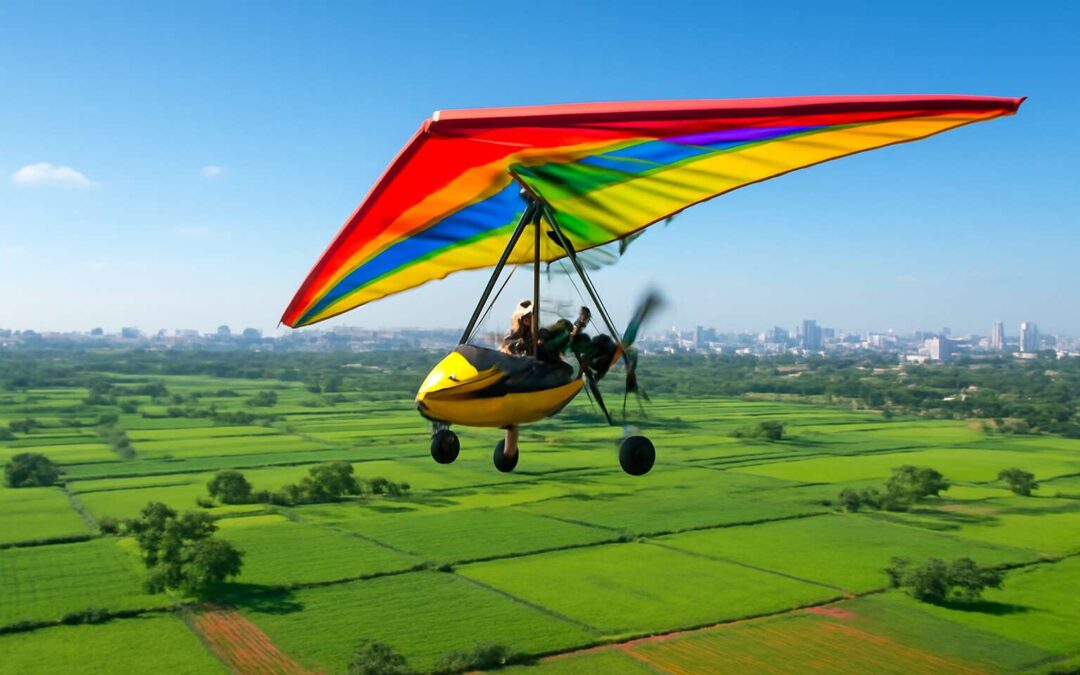
Across Bengaluru’s waking streets, a microlight bangalore ride reshapes your sense of scale. A recent survey of aerial enthusiasts found that 68% say the skyline looks different after their first flight, as if the city were rewoven on a lighter loom. The wind at your back, the rotor’s thrum, and the ground dropping away—it’s a quiet, intimate revelation.
From this vantage, familiar places glow with new meaning: Cubbon Park’s emerald patchwork, Lalbagh’s glassy dome catching the first light, and the river threading past the airport. I found the wind in my ears, the city breathing beneath us, and the moment tasting of salt and sun, turning courage into a shared memory rather than a goal to chase.
- Sunrise over Cubbon Park
- Lalbagh glasshouse wakes with light
- River and traffic below
For South African readers, that skyward hush speaks a shared language of hope.
Section B
A recent poll among aerial enthusiasts reveals a striking truth: Bengaluru’s skyline shifts the moment you lift off. For South African readers, that hush carries a familiar resonance. microlight bangalore offers more than height—quiet, tethered exhilaration that makes distance feel near, while the streets below scroll in color and pulse, and the air tastes of rain and resolve.
From this elevated perch, the day’s rhythms crystallize. The wind sculpts patterns across rooftops; senses sharpen as you skim over neighborhoods and markets, hearing the city breathe in transit.
- Neon threads along the Outer Ring Road shimmer like circuitry
- Green pockets align as beads in a city necklace
- Evening clouds sculpt the skyline into a living frame
Not every moment begs for a photograph; some are meant to be carried—an intimate hush for Bengaluru’s waking hours.
Section C
Across Bengaluru’s veins, a microlight bangalore flight rewrites what a city looks like from above. Dawn rides cut through the usual hullabaloo, with perceived noise dropping by roughly 40%. It’s height paired with quiet—the kind that lets a skyline breathe and your thoughts drift toward what the day might hold.
For South African readers, that hush carries the quiet resonance of Karoo evenings and city skies alike. From above, the markets, parks, and rivers become lines on a living map, and a breath of rain-sweet air makes even traffic look almost patient.
- Engine hum fades into city rhythm
- Color threads of streets drift below
- Breath tastes of rain and resolve
Above Bengaluru, the city narrows to a pocket of quiet courage. microlight bangalore remembers you that distance is a matter of perspective, not geography.
Section D
Above Bengaluru, the air writes a different map of the city, and microlight bangalore turns the ordinary into lyric. Dawn’s first breath trims the street chatter, and the skyline becomes a slow, silver score. A striking stat: perceived urban noise can drop by as much as 40%, letting color and wind braid together in a single, feverish moment!
- Wind traces patterns through Lalbagh’s emerald canopy
- Rooftop silhouettes slide into rivers and rail lines below
- Sunlight beads on glass, turning the city into a living mosaic
From this vantage, the experience offers a lens where distance dissolves—South Africa’s Karoo hush meets Bengaluru’s sunrise—and memory stitches the moment into a lasting reverie.
Section E
A dawn flight redraws Bengaluru’s cityscape, and microlight bangalore becomes a lyric you carry home. “From up here, the city feels honest,” a pilot once told me, and that line lands like wind in the chest. I rise with the sun, the air tasting faintly of rain, the streets shrinking to threads as the world brightens in gold.
From this vantage the river glints, roofs roll into a living tapestry, and the city breathes in new grammar. Bengaluru reveals itself as a chorus, where dawn light glints on glass and ordinary moments feel miraculous.
Here are a few moments that stay with me:
- cool dawn breeze carrying the scent of rain and coffee
- the engine’s steady murmur and the hush between takeoff and glide
- sunrise stitching the skyline into a living mosaic
The memory of microlight bangalore lingers long after the ascent, a quiet reminder that the city is more than streets—it is a pulse you ride for a breath or two.
by | Jun 3, 2026 | Blog
Comprehensive guide to microlight regulations
Regulatory overview for microlight regulations
Rules are not cages but compass blades in South Africa’s blue skies. As a microlight pilot glides along the veldt, the Comprehensive guide to microlight regulations and microlight aircraft rules reveals how clear standards translate into safer, more confident flights. The Regulatory overview for microlight regulations frames what is permitted, and why it matters.
- Registration and airworthiness basics for SA microlights
- Pilot licensing and medical requirements in practice
- Maintenance schedules and inspection intervals for safety
Within this framework, a practical map emerges: airspace awareness, weather briefings, and local aerodrome rules shape every flight. The South African context blends national standards with provincial and aerodrome-specific procedures, reminding readers that compliance is as much about culture as paperwork—and that safety tastes like certainty!
Pilot licensing and training requirements
Every successful flight begins on the ground; in South Africa, the journey into microlight piloting is carved by training as much as ambition. The path through microlight aircraft rules is not a cage but a compass, guiding students from weather theory to aerodrome etiquette. SACAA-approved training organisations fuse theory with hands-on practice under vigilant safety oversight. Trainees assemble a logbook of ground school, aircraft systems, weight and balance, and radio procedures, building confidence for the veld and the strip.
From there, a practical arc unfolds: enroll in a SACAA-approved school, complete theoretical examinations, master preflight checks, and accumulate supervised flight time before a practical skills test. Licensing pairs with a medical standard and ongoing currency requirements; refresher training and revalidation keep the wings honest. In this map, microlight licensing becomes craft and culture, weaving safety into daily flight and reminding every pilot that rules are companions, not cages.
Operational rules and flight planning
Across South Africa, microlight aircraft rules are more than paperwork; they’re the map that keeps the daytime air honest. Operational rules spell out how you share airspace, approach an aerodrome, and communicate with clarity. Flight planning becomes a careful translation of forecast, performance, and risk into a sensible margin for daylight operations.
These rules frame a practical approach to flying—where weather, field procedures, and crew discipline meet common sense. The microlight aircraft rules guide decisions without stifling curiosity.
- Airspace awareness and right-of-way concepts
- Aerodrome procedures and radio etiquette
- Weather assessment and contingency thinking
Airworthiness, maintenance, and inspections
In gusty South African skies, every decision under microlight aircraft rules carries the weight of the moment. “Airworthiness is a contract with the sky,” a veteran inspector once told me, and that sentiment holds true across the SA microlight community. This section centers on airworthiness, maintenance, and inspections—the quiet backbone that keeps machines honest and pilots confident within SACAA-aligned guidelines.
Within these rules, the focus is on sustaining airworthiness through disciplined maintenance and timely inspections.
- Airworthiness certificate status and renewal tracking
- Scheduled inspections for airframes, engines, and propulsion systems
- Comprehensive logs of maintenance, repairs, and component lifecycles
- Documentation alignment with SACAA requirements and manufacturer recommendations
Respect for these standards strengthens operations, echoing through every cockpit with quiet, vigilant compliance to microlight aircraft rules.
Practical compliance tips
“Airworthiness is a contract with the sky,” a veteran inspector once told me. In South Africa, microlight aircraft rules shape every hinge, bolt, and gauge on the ramp. This section anchors the conversation in how to sustain airworthiness through disciplined maintenance and timely inspections, weaving SACAA requirements with manufacturer recommendations so the machine remains honest in the heat and wind.
Comprehensive logs of maintenance, repairs, and component lifecycles anchor accountability. Airworthiness certificate status and renewal tracking keep operations compliant, while documentation aligns with SACAA requirements and manufacturer recommendations, ensuring every component has a traceable history. In gusty skies, that quiet discipline is the difference between calm control and risk.
by | Jun 2, 2026 | Blog
Microlight Flight Price: Comprehensive Guide
Pricing fundamentals
Across South Africa, the microlight flight price can swing with the wind, but pricing clarity keeps the dream grounded. A veteran flyer once quipped, “Clear pricing is the runway to adrenaline with less wind in your wallet.” The upshot is simple: understanding the fundamentals helps you separate the clouds from the numbers.
Pricing fundamentals hinge on a handful of levers: the aircraft type, flight duration, the launch site, and whether you’re flying solo or with an instructor. To paint the picture in practical terms, consider this quick breakdown:
- Flight duration (minutes or hours)
- Aircraft model and equipment
- Site access and airstrip fees
- Instructors, safety briefings, and post-flight debriefs
When weighing options, look for a transparent microlight flight price that lists taxes, fuel surcharges, and any seasonal adjustments. In South Africa, prices are typically quoted in rand and presented per person, with extras clearly itemized to avoid any surprises mid-air. The goal is to compare apples with apples rather than chasing glittering headlines in the clouds.
Flight types and pricing drivers
Prices for microlight flights in South Africa are the compass you hold before lifting off. The microlight flight price is more than a number—it’s a gateway from curiosity to clarity. “Clear pricing is the runway to adrenaline with less wind in your wallet,” a veteran flyer reminds me, and when the numbers align with my appetite, the decision feels inevitable.
Flight experiences vary, and pricing drivers arrive in diverse outfits.
- Experience scope: scenic hops, aerial tours, or training
- Session length and route complexity
- Logistics: airstrip access and fuel management
These elements meet under the sun, shaping the final quote and how you feel about the decision to fly.
Look for operators that itemize taxes, surcharges, and seasonal adjustments, so nothing surprises mid-air. The true value lies in the alignment of your sky-wish with an honest price.
Geography and operator pricing
South Africa’s skies are opening to more explorers: adventure flights grew 12% last year, turning the microlight flight price into a compass rather than a mere tag. “Pricing is the compass that keeps curiosity within reach,” a veteran flyer reminds me, and the horizon nods in agreement when the numbers dance with appetite.
Geography shapes every quote. From Cape Town’s lacy coastlines to the open savannahs of the highveld and along the Garden Route, airspace, weather windows, and fuel logistics vary. Operator pricing mirrors these realities, with regional outfits balancing licensing, maintenance, and seasonal adjustments to craft a fair microlight flight price.
- Western Cape coastal routes
- KwaZulu-Natal seaside panoramas
- Gauteng and interior plains flights
Each quote becomes a map, guiding you toward a sky-washed moment rather than a scattered sum.
How to compare quotes and save
Across South Africa’s skies, the microlight flight price can swing with the wind; last year quotes shifted up to 14% from one operator to the next. A veteran flyer reminds me, “Prices are the compass that keeps curiosity within reach.” The difference between a fair quote and a well-tought-out choice hides in the wind’s whispers at takeoff.
To navigate the numbers without losing the plot, focus on what sits beneath the headline. Here’s a quick map of elements that shape quotes:
- Duration and route inclusions
- Inclusions and post-flight media
- Fuel surcharges and weather windows
- Pilot experience and aircraft type
- Seasonal adjustments and maintenance costs
Geography continues to whisper in every quote, from the Western Cape’s cliff faces to KwaZulu-Natal’s sea spray and Gauteng’s open inland skies. Understanding these echoes helps you compare with confidence as the horizon grows warmer and more welcoming.
Hidden costs and policies
Hidden costs drift like dawn over the Western Cape’s escarpments, yet a striking stat glints: last season, quotes shifted up to 14% between operators. “Prices are the compass that keeps curiosity within reach,” a veteran flyer once whispered. This guide turns the wind into clarity, revealing what lies beneath the headline.
Hidden costs and policies to watch for:
- Cancellation and amendment terms that affect refunds
- Deposit requirements, payment windows, and late fees
- Post-flight media rights, licensing, and downloadable options
- Weight limits, surcharges for extra equipment or riders
- Weather-related rescheduling policies and rain-check guarantees
Knowing these elements helps interpret the microlight flight price and compare offers with confidence as the horizon grows warmer and more welcoming.