
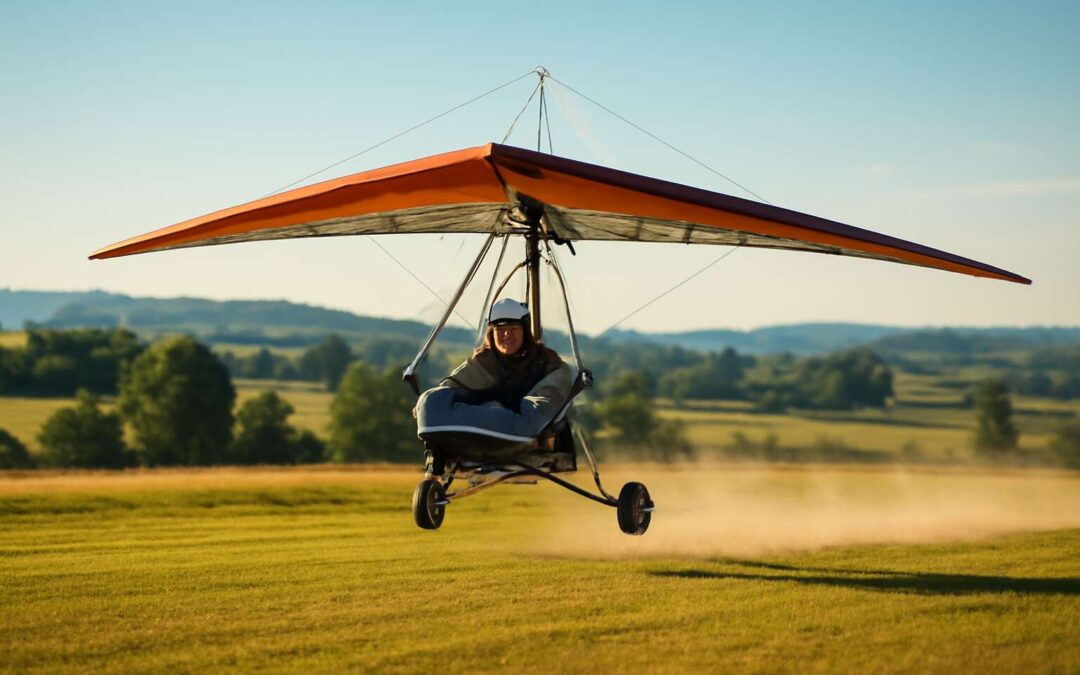
Microlight Take-Off Essentials
Key factors influencing take-off performance
South Africa’s skies are a temperamental mix of heat, wind, and open spaces, and the take-off moment is where those forces collide. Performance can swing by around 25% from a cool dawn to a hot afternoon, a reminder that take-off hinges on more than power alone!
For a reliable microlight take off, balance and weight matter. Pilots should read the air, the surface, and the terrain before lifting.
- Aircraft weight and balance
- Wind speed and direction
- Temperature and density altitude
- Surface and runway quality
- Engine health and power availability
In South Africa, local microclimates mean aircraft behave differently from field to field. Recognising these factors helps pilots and operators approach operations with sharper judgement rather than a rigid playbook.
Pre-flight checklist for take-off
Morning-air holds a stubborn hush; the microlight take off becomes a negotiation with the sky rather than a mere display of thrust. Across South Africa, heat and wind redraw the margins, and a brisk dawn can yield 25% more bite than a hot afternoon. It humbles the pilot!
To honor that fragile balance, a few anchors steady the moment before lift-off.
- Balance and restraint: weight distribution in the cockpit’s hush
- Propulsion readiness: engine health, fuel, ignition cues
- Atmospheric read: temperature, density cues, wind whispers
- Surface texture: runway quality and terrain awareness
Across South Africa, microclimates carve different airs at every field, and I read them with patience, letting the wind’s mood and the surface’s texture dictate the pace. Such reading turns a routine into a ritual of trust.
Weather and wind considerations during take-off
South Africa’s morning air is a coin with two faces: cool clarity and the furnace of daybreak. In the dawn light, microlight take off performance can shift by as much as 25% compared with the heat of noon, a statistic that humbles even seasoned pilots.
Weather and wind considerations unfold like a quiet lore: wind whispers, density nudges, and the runway’s memory records every gust. Across SA’s fields, thermals rise and fall with the day’s script, and the pilot learns to listen to the sky.
- Crosswind patterns near field boundaries
- Density altitude cues as temperature climbs
- Surface roughness and wind ripple effects on the tarmac
Across South Africa’s varied skies, the weather story is one of patience and rhythm; read the air, respect its moods, and let silence guide lift.
Runway and surface requirements for microlights
In South Africa’s sun-warmed fields, the runway is a patient storyteller, recording every tire mark and whisper of wind with quiet grace. A safe microlight take off unfolds where surface meets sky—firm enough to roll smoothly, yet forgiving enough to shelter hidden irregularities. Grass, tar, and smooth dirt each wear their own texture, teaching lift through texture and slope rather than bravado. The airfield remembers the take-off as a small, sacred exchange between weight and wind!
Across SA’s varied surfaces, texture, drainage, and friction compose the tempo of lift, even when the wind hums softly.
- Grass strips: even texture with gentle drainage and momentum cradle
- Tarmac or paved runways: clean, dry, and free of loose debris for predictable friction
- Compact dirt strips: level surfaces with light washboarding kept to a minimum
- Moist patches: damp spots that shimmer with caution and quiet resistance
In the chorus of field air, runways welcome the sky.
Aircraft configuration for optimal take-off
Every microlight take off is a whispered negotiation between weight and wind. In South Africa’s sun-warmed fields, balance writes the opening line before the propeller sings. “Balance is lift’s quiet partner,” pilots say, and the ascent answers in kind. The moment carries a poetry of precision—a deliberate arc from ground to sky.
Essential aircraft configuration for a poised ascent includes several harmonies:
- Center of gravity within the airframe’s natural neutral zone
- Wing and fuselage alignment that minimises drag and preserves lift onset
- Engine and propeller pairing that yields steady, controllable thrust
When these elements align, the take-off becomes a small, sacred exchange between air and artist, witnessed in the SA morning light.
Take-Off Techniques for Microlight Aircraft
Power application and throttle management
Power is a conversation between machine and breath. In microlight take off, the throttle’s subtle dance writes the arc of your ascent, a test of nerve and feel that rewards the bold with lift! South Africa’s airfields remind us that timing matters, especially on mornings when the light is bright and the air thinner.
The art lies in a patient, measured application of power, watching the airspeed and the wings’ signals. When you feel the nose come up, relax the wrists, keep a light grip, and let the aircraft breathe. Here is a simple guide to throttle management that respects the rhythm of the day:
- Progressive power with patient response
- Keep pitch and airspeed aligned
- Calm hands, smooth inputs
In moments like these, I feel the gravity of choice and the grace of flight, knowing every lift is a negotiation with wind, weight, and will.
Ground roll and lift-off dynamics
Take-off is less a push, more a negotiated treaty with air. In microlight take off, the ground roll is the prologue where speed, balance, and the day’s light do a delicate tango.
Lift-off dynamics arrive as the wings begin to whisper lift, the nose rises with a patient sigh, and the air supplies a perfect handshake between wing and wind.
The secret is reading the micro-signals—the feel through the stick, the change in sound, the hint of climb—letting the aircraft breathe and rise with the dawn.
Climbout techniques and maintaining safe airspeed
The dawn air has a way of testing discretion; the microlight take off is more a negotiation with air than a shove. As a veteran South African pilot says, “Climb is a negotiation, not a shove.” And yet the payoff is plain when the wing whispers to life and you sit light on the stick.
Climbout techniques hinge on maintaining a safe airspeed while the nose rises in measured steps. Gentle back-pressure, restrained throttle, and a clean, trimmed setup ensure the aeroplane breathes with the day rather than fighting it. Read the sticks, listen to the air, and let the aircraft breathe—your cues arrive as a subtle climb, not a dramatic leap.
For a smooth ascent, consider the following flow:
- Set a target climb attitude and hold it with calm, progressive inputs.
- Bring in power steadily to reach the climb speed, then trim for hands-off flight.
- Remain vigilant for gusts and adjust with small, deliberate corrections rather than large, abrupt moves.
Crosswind take-off handling and drift control
Crosswinds rewrite the script of a microlight take off, turning force into a conversation with the air. As a veteran South African pilot notes, “Climb is a negotiation, not a shove”—and that mindset becomes the key when gusts tilt the horizon. Drift control emerges from reading the sky and letting the aeroplane breathe, not forcing a dramatic rise. The moment is brief, intimate even, a dialogue where wings whisper life and the ground slips away.
From a South African vantage, the microlight take off becomes a study in humility: a balance with wind, a measured pulse of power, a patient settling into the morning air. The aircraft moves with intention, the pilot listening to feedback rather than dictating speed, turning an ordinary departure into a moment of quiet resolve.
Positioning and piloting rhythm during the take-off run
“Climb is a negotiation, not a shove,” a veteran South African pilot often says. At dawn on a gravel airstrip, the microlight take off becomes a dialogue with the wind, a moment that asks for respect, not bravado, as the horizon leans toward you.
Positioning on the runway is balance: feet planted, hands steady on the throttle, eyes on the line of air ahead. I listen between breaths, and the rhythm grows from breathing with the air, letting pitch and trim respond—patience guiding the lift more than force.
- Breath and throttle in small, steady pulses
- Eyes and hands synced with the air’s telltales
On lift-off, the ground falls away with a gentle breath from the air itself—humility in the SA dawn, lifting us to the day ahead.
Emergency readiness during take-off
“Emergencies are rehearsals for the wind,” the veteran SA pilot often says. In the hush before sunrise on a gravel airstrip, the microlight take off becomes a dialogue with air and opportunity, not panic. Listen for the air’s telltales, respect the moment, and trust that preparedness turns disruption into a graceful ascent toward the day ahead.
- Keep a mental fallback plan—engine and flight path in quick sight.
- Maintain crisp communication and awareness of the airspace.
- Let throttle and pitch respond with light, deliberate touch.
In those moments, courage acts like a quiet anchor, guiding the craft toward a daybreak of clear skies and unspoken promise.
Safety, Training, and Compliance
Pilot qualification and training milestones for take-off
Safety is the backbone of every microlight take off. In South Africa’s skies, calm preparation and disciplined routines prevent surprises as the aircraft rolls and lifts. A culture of proactive risk assessment protects pilots, passengers, and airframes from first spark to final glide.
Training builds that safety net. Milestones mark growing competence for take-off and flight. To illustrate, the milestones include:
- Ground-school theory and preflight discipline
- First solo take-offs and circuits
- Crosswind handling and stability
- Navigation, radio procedures, and airspace awareness
- Supervised flight test and endorsement
Compliance and pilot qualification ensure knowledge stays current. Medical certificates, licensing, and ongoing proficiency checks are not mere paperwork but gates to responsible operation. In SA, meticulous logbooks and regulatory updates underpin a safe take-off and continued enjoyment of the sport.
Operational safety protocols during the take-off phase
Safety is the quiet discipline that underpins every microlight take off. In South Africa’s skies, calm preparation and disciplined routines prevent surprises as the aircraft seeks the runway and lifts. A culture of proactive risk assessment shields pilots, passengers, and airframes from first spark to final glide.
Training forms the backbone of that discipline: mentorship, scenario drills, and disciplined decision making under pressure. Theory becomes instinct through practice, honing engine start cadence, runway departure awareness, and safe climb in a graded, supportive environment. This growth breathes reliability into every microlight take off.
Compliance keeps the knowledge current, not merely a file on a shelf. Medical standards, licensing, and currency checks translate into responsible operation. In SA, meticulous logbooks and regulatory updates underpin a safe microlight take off and the continued enjoyment of the sport.
Airspace and regulatory considerations for microlight take-off
Strong airspace discipline turns a routine take-off into a smooth ascent. Safety hinges on understanding the airspace you operate in and the regulatory framework for microlight take off. In South Africa, clearances in controlled zones, NOTAM awareness, and proper clearance protocols prevent surprises as you roll toward the runway.
Training keeps you sharp in the airspace game. Mentored drills, radio procedures, and scenario practice build calm decision making when you need it most, turning theory into instinct and reducing infringement risk during the take-off.
Compliance means more than paperwork; it shapes your permissions, currency, and accountability in the sky. In SA, stay current with licensing and airspace rules, check flight plans, and respect local ATC procedures and altitude limits for safe regulatory compliance during take-off.
- NOTAM checks and airspace maps
- Two-way radio readiness and standard phrases
- Local airfield procedures and CTR boundaries
Record-keeping and incident reporting basics
Safety isn’t expensive—it’s priceless. The microlight take off journey hinges on memory you can trust and practices you actually follow, not bravado on the runway.
Safety basics demand rock-solid record-keeping. Incident logs, defect reports, and maintenance histories should be current and accessible.
- Immediate incident or near-miss logging
- Defect and maintenance history
- Currency and licensing status
Training keeps you sharp: mentoring drills, scenario practice, and radio procedures convert theory into reflexes, cutting infringement risk during microlight take off.
Compliance and incident reporting basics mean staying current with SA licensing, following airspace rules, and using official reporting channels for events. A culture of clear records and timely reporting underpins safe microlight take off operations.
Maintenance, Equipment, and Best Practices
Pre-flight equipment checks for take-off readiness
Maintenance and gear reliability are the quiet backbone of every microlight take off. Regional operators report that equipment neglect contributes to a meaningful share of aborted flights, reminding us that tidy gear and consistent care aren’t optional—they’re essential for a safe ascent.
Maintenance focuses on the basics: airframe integrity, engine serviceability, and corrosion checks that detect wear before it becomes a problem.
Equipment readiness means more than the engine. Reliable avionics, radios, harnesses, lighting, and fuel status support predictable performance and reduce last-minute surprises on the runway.
- Airframe and control surface integrity
- Fluid levels, secure caps, and battery health
- Avionics readability and harness/seat security
Best practices pre-flight equipment checks blend calm routine with day-to-day awareness. By focusing on the listed areas, pilots can depart with confidence, knowing that the take-off environment is understood and managed.
Regular maintenance routines impacting take-off performance
Maintenance and gear reliability are the quiet backbone of every microlight take off. Here, airframe integrity, engine serviceability, and corrosion checks stand as sentinels—detecting wear before it whispers trouble. In South Africa’s shifting winds, routine attention to these basics keeps the ascent honest.
Equipment readiness means more than the heart of the machine; it includes readable avionics, dependable radios, secure harnesses, reliable lighting, and accurate fuel status. On sunlit runways or chilly dawn strips, tidy systems translate into predictable performance and fewer last-minute surprises.
Best practices blend a calm routine with day-to-day awareness. Regular confidence grows when pilots approach each departure with clear eyes, steady hands, and a respect for the small signs that precede a safe lift-off.
Gear and control system inspection for microlight aircraft
Quality maintenance keeps the microlight take off honest. In South Africa, winds shift fast; reliability is built in the shop. “Reliability is built in the shop,” a veteran pilot says.
Maintenance hinges on three sentinels.
- Airframe integrity
- Engine serviceability
- Corrosion checks
Equipment readiness covers avionics, radios, harnesses, lighting, and fuel status.
- Readable avionics
- Dependable radios
- Secure harnesses
- Reliable lighting
- Accurate fuel status
Best practices blend a calm routine with day-to-day awareness.
- Maintain clear eyes
- Keep steady hands
- Note subtle signs
Weather-aware planning and decision-making practices
South Africa’s winds shift like quicksilver, turning a routine microlight take off into a moment of truth. ‘Reliability is built in the shop,’ a veteran pilot says, and the claim lands hard. Maintenance and Equipment readiness, guided by weather-aware planning, form the backbone of every take-off.
Maintenance hinges on three sentinels: airframe integrity, engine serviceability, corrosion checks. Equipment readiness encompasses avionics, radios, harnesses, lighting, and fuel status, but the core test remains cockpit reliability under pressure.
- Visual and functional checks
- Service history and documentation
- Gauges and sensors calibrated
Best practices blend a calm routine with day-to-day awareness. Read the sky, note wind cues, and sustain a focused, quiet posture. microlight take off becomes a moment where temperament and machine align with weather’s caprice.
Pilot ergonomics and checklist discipline during take-off
Maintenance is the quiet backbone of a dependable microlight take off, built on disciplined condition monitoring. Structural checks, propulsion health, and corrosion vigilance set the tone, with tidy service history and clear paperwork reinforcing confidence long before you roll.
Equipment readiness translates to cockpit clarity: robust electricals, secure harnesses, reliable comms, and visible signaling. Beyond gadgets, it’s about trust that every switch behaves when the air starts whispering, keeping the microlight take off precise and controllable.
Best practices blend calm routine with day-to-day awareness. Pilot ergonomics and checklist discipline during take-off matter as much as wind and throttle. During the run, breathe, relax the spine, and let the checklist guide the rhythm.