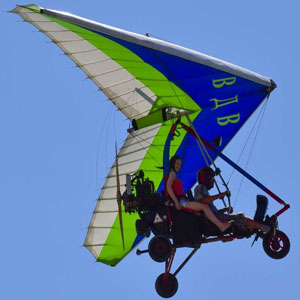

Weight and Classification in Microlight Aviation
Microlight weight classes explained
Weight is the quiet navigator of microlight aviation. In the realm of the 600kg microlight, lift and balance perform a delicate waltz with every breeze, turning mass into performance. When mass is trimmed just right, climb comes quicker and the sky feels like a canvas you can read before the engine sings!
Weight and classification hinge on MTOW, empty weight, and useful load. The category sets the cap for fuel and payload, shaping how you fly.
- Empty weight — aircraft mass with no usable fuel or payload
- Useful load — payload plus usable fuel
- MTOW — maximum take-off weight permitted
These figures ride with you from preflight to touchdown, guiding decisions on the South African skies.
Maximum takeoff weight implications for design and flight
In South Africa, where thermals break over the Highveld and coastal winds bite, weight is the quiet navigator. Studies show 51% of handling characteristics hinge on weight and balance, a truth pilots feel as altitude approaches and the engine settles into its note.
For the 600kg microlight, maximum takeoff weight is the ceiling that shapes every choice, from materials to layout. Empty weight, useful load, and MTOW interact like a tight trio, governing how much fuel you carry, what you can lift, and how you respond to gusts.
- Airframe and component mass
- Wing loading and structural margins
- Fuel versus payload trade-offs
- Ballast and balance management
Weight management becomes a philosophy of flight, a discipline that marks the line between performance and safety when every breeze writes a sentence on the sky.
Comparing regional and international microlight rules
Weight speaks first in the cockpit, and experience confirms the truth in its quiet arithmetic. In South Africa, the 600kg microlight is a familiar benchmark that shapes certification, licensing, and how you plan a cross‑country flight. Across borders, pilots navigate a patchwork of rules that aim for the same balance: safety without stifling access.
- Regional classification centers on SACAA microlight rules and a 600 kg MTOW cap that keeps field operations practical.
- International parallels include the US 1,320 lb (about 600 kg) light-sport ceiling, linking cross-border activity to a common envelope.
- Europe and other jurisdictions vary, with many adopting around 450 kg microlight limits or separate light-aircraft standards.
- Licensing and training follow from each regime’s weight and classification, shaping pilot progression and maintenance expectations.
In the end, weight and classification become more than numbers; they thread pilots to airfields, manufacturers, and a shared culture that keeps the sky open and navigable.
How to select a compliant microlight within weight categories
In South Africa, the 600kg microlight isn’t just a specification; it’s a doorway to the sky. I watch pilots read that weight the way poets read a horizon—a single measurement shaping bold plans and intimate moments of flight.
Weight and classification thread together the machines we trust and the landscapes we dream of crossing. When I help clients select, the conversation centers on MTOW, empty weight, and useful load, all defined by the manufacturer. SACAA categories anchor the choice, while mission preferences quietly redraw the map—fuel, luggage, and endurance becoming the music of flight.
Across borders, the same quiet truth echoes: balance between safety and access. The weight threshold becomes a shared language among airfields, builders, and pilots, turning the microlight journey into a human story written in the air and on the earth below.
Regulatory and Certification Framework
Pilot licensing requirements for microlight pilots
From the shadowed hangar to the breathless dawn, regulation threads itself through the 600kg microlight like a skeleton key. In South Africa, the SACAA governs microlight certification, and every pilot must carry a licence suited to the category, backed by a medical certificate and a disciplined grasp of the rules. Theory and flight testing fuse, and the patience of the air is earned, not granted.
- Medical fitness appropriate for microlight operations.
- Theory examinations and a practical flight test to obtain the microlight licence.
- Proficiency checks to maintain currency and compliance.
- Ongoing medical renewals and recency requirements as dictated by authorities.
Regulatory walls hold the night at bay, ensuring every ascent is a measured waltz between dream and gravity, where the 600kg microlight finds its rightful place in the dawn.
Airworthiness certification and registration processes
A clean record keeps the takeoff honest—airworthiness is the quiet gatekeeper for the 600kg microlight. In South Africa, the SACAA handles airworthiness certification and registration. Before the first flight, the aircraft must prove its airworthiness, meeting microlight standards, and receive a certificate that marks it fit for the sky. Registration then assigns a unique tail number and files the machine into the national registry, a visible guarantee to authorities and operators alike!
- Initial airworthiness certificate after build or import
- Registration with SACAA and tail-number assignment
- Periodic reviews, inspections and re-certification as required
Once in service, ongoing maintenance logs and scheduled renewals keep the aircraft compliant, with authorities able to audit the records at any time.
Operational rules and airspace access for microlights
For the 600kg microlight, regulatory and certification frameworks shape every ascent, weaving a map through South Africa’s skies. SACAA standards spell out who may fly, where microlights may roam, and when extra clearances are needed, turning raw ambition into disciplined, lawful flight.
- Controlled airspace entry requires prior clearance and radio communication.
- Daylight Visual Flight Rules are the standard for microlights when weather cooperates.
- Certain routes or airspaces may demand flight plans or position reporting.
- Auditable records and operator responsibilities anchor the flight in safety and accountability.
These rules are corridors rather than cages, guiding dawn patrols and late-afternoon glides alike. They preserve the sky as a shared stage, inviting pilots to roam with imagination, anchored by steady oversight.
Regulatory updates impacting microlight operations
Regulatory clarity is the wind that steadies the microlight pilot’s hand. “The sky rewards clarity,” a seasoned SA aviator reminds us, and for the 600kg microlight, updates are rewriting how each ascent is licensed, documented, and permitted under South Africa’s SACAA regime.
Regulatory updates impacting microlight operations flow through three streams:
- Digital airworthiness records and faster renewal cycles.
- Harmonized licensing checks with international peers.
- Clearer routes for temporary altitude and airspace access.
This evolving framework threads responsibility with freedom, shaping the daily rhythm of this craft as it threads South Africa’s dawn-lit skies.
Design, Performance, and Safety
Aerodynamic considerations and wing configurations
In the SA sky, the 600kg microlight proves that light but strong design beats sheer power. Design for this class starts with purpose and restraint. A robust airframe, balanced weight distribution, and careful wing loading give predictable response in wind gusts, while keeping the craft nimble enough for the open South African skies.
- Balanced center of gravity for stable handling
- Light yet durable materials to save weight
- Integrated propulsion with minimal drag
Performance hinges on aerodynamics, wing planform, and efficient lift–drag tradeoffs. A well-chosen wing configuration reduces parasitic drag, improves climb, and steadies cruise, so it can slice through thermals with grace rather than grit.
Safety-driven aerodynamics considers stall characteristics, flutter risk, and wing tip design. Choices like dihedral for stability, and a cautious wing planform, influence recovery in gusts and crosswinds—principles that inform how wings behave in real-world South African airfields.
Engine options and power-to-weight balance
South Africa’s skies reward poise over brute power—the 600kg microlight proves it, with climb improving up to 12% in gusts when efficiency is dialed in.
Design-wise, it keeps a tight CG envelope, uses light, durable materials, and a propulsion layout that minimizes drag. Power-weight balance matters; engine choice nudges weight and wing loading, preserving nimbleness for SA airfields.
- Rotax 912 ULS: ~100–115 hp
- Rotax 912 iS: fuel-injected, efficient
- Electric/hybrid: compact torque, low fuel use
Performance hinges on clean aerodynamics and smart lift–drag tradeoffs. A well-planned wing cuts parasitic drag, improves climb, and keeps cruise steady, letting the craft ride thermals with grace.
- Match horsepower to mass to optimize climb
- Streamline to reduce drag
- Balance payload and fuel for margins
Safety means predictable stall behavior, flutter risk awareness, and conservative wing tips. A touch of dihedral helps, keeping recovery confident on SA airfields with frequent gusts.
Fuel efficiency and range planning
Poise beats brute power in South Africa’s fickle skies—a pilot once quipped, “we fly by feel, not horsepower.” For the 600kg microlight, a tight center-of-gravity envelope keeps handling crisp, while light, durable materials and a drag-minimizing propulsion layout preserve nimbleness on bush strips and long valley runs.
Performance hinges on clean aerodynamics and smart lift–drag tradeoffs. A well-planned wing slices parasitic drag, boosts climb, and keeps cruise steady enough to ride thermals with a dancer’s grace.
- Horsepower-to-mass harmony
- Drag reduction through streamlined shapes
- Margin planning with payload and fuel
Safety, fuel efficiency, and range planning go hand in hand. Predictable stall behavior and flutter risk awareness keep you honest, while a touch of dihedral helps recover from gusts over SA airfields. Plan with reserves in mind and embrace efficient propulsion choices to extend endurance across the country’s varied skies.
Safety features and redundancy
In South Africa, aerodynamics win the day. The 600kg microlight leans on a tight center-of-gravity envelope, light but durable materials, and a drag-conscious propulsion layout. “We fly by feel, not horsepower,” a veteran pilot likes to say, and the design mirrors that creed—clean lines, solid balance, crisp handling.
Performance hinges on clean aerodynamics and smart lift–drag tradeoffs. A well-shaped wing cuts parasitic drag, boosts climb, and keeps cruise smooth enough to ride thermals with quiet precision. With the 600kg microlight, weight distribution and power-to-weight balance preserve nimbleness on bush strips.
Safety features and redundancy go hand in hand with endurance. Predictable stall behavior, flutter awareness, and a touch of dihedral aid gust recovery on SA fields. Redundant systems—dual controls, independent fuel lines, and a ballistic parachute—provide a reliable margin when conditions tighten.
Maintenance impact on performance and safety
Design fuses rugged practicality with graceful aerodynamics. Clean lines, lightweight yet durable materials, and a tight center‑of‑gravity envelope reward meticulous loading and precise balance. The result is crisp handling, steady transitions, and a trusted feel on bush strips after long days in the sun.
Performance hinges on clean aerodynamics and thoughtful lift–drag tradeoffs. A well‑shaped wing reduces parasitic drag, boosting climb and smoothing cruise so thermals are felt rather than fought. For the 600kg microlight, weight distribution and power-to-weight balance preserve nimbleness on bush strips.
Safety maintenance directly impacts performance and margins. Predictable stall behavior, flutter awareness, and proper ballast management keep gusts in check. Regularly inspecting dual controls, independent fuel lines, and the ballistic parachute creates a reliable safety net when conditions tighten.
- Dual controls and redundancy checks
- Independent fuel lines and fuel system integrity
- Ballistic parachute deployment readiness
- Control surfaces and dihedral behavior
Buying, Maintenance, and Operations
Where to buy microlights and evaluating airframe options
Flight decision-making with a 600kg microlight in South Africa should feel like choosing a partner for weekend adventures—no mortgage required. “Flight is the strongest bargain in town,” quips a veteran dealer, and they’re not wrong about the grin you get when you lift off.
Where to buy microlights? Start with established dealers, club fleets, and trusted used-airframe specialists who can vouch for provenance and serviceability.
- Authorized dealers with SA service networks
- Used airframes with complete maintenance history
- Kit builds from reputable vendors with proper documentation
Maintenance considerations are not optional; check for corrosion signs, airframe wear, and engine logs, and ensure parts accessibility across workshops in your region.
Operations decisions should weigh field lengths, payload needs, and typical weather patterns. Evaluate airframe options for rough airstrips and diverse airspace demands to keep your flights smooth and compliant.
Maintenance schedules, inspections, and parts support
Buying a 600kg microlight in South Africa feels like signing up for a weekend-long joyride with a trusted companion—fun, flexible, and far cheaper than a mortgage. Start with established dealers who know SA service networks, choose airframes with documented maintenance history, and consider kit builds from reputable vendors with airtight paperwork.
- Proven provenance and serviceability
- Maintenance history fully documented
- Authorized SA support and parts access
For the 600kg microlight, maintenance, inspections, and parts support are the backbone of a safe, smiling sky. Expect a disciplined rhythm: pre-flight checks, routine inspections, engine and airframe logs, and corrosion surveillance. The following should help frame your expectations:
Operations hinge on sensible maintenance schedules, inspections, and a robust parts network. Maintaining cross-regional parts access keeps field lengths and weather variance from becoming showstoppers, letting your 600kg microlight perform with a grin rather than a groan.
Insurance, financing, and ownership costs for microlights
South Africa’s 600kg microlight market is a rare blend of practicality and dreams—the kind of payoff that pays you back in sunshine, not debt. Buying through established dealers with SA service networks keeps paperwork tight and parts access predictable. A 600kg microlight is a long-term commitment; the right support ecosystem matters nearly as much as the plane itself.
- Insurance: hull, third-party liability, and optional gap coverage to guard against unforeseen losses
- Financing: loan terms, rates, and repayment schedules that fit your flying calendar
- Ownership costs: annual registration, hangar or secure storage, insurance, and maintenance reserves
Maintenance and operations costs for the 600kg microlight shape the ongoing budget. Routine checks and corrosion surveillance demand smart reserves, even when flight hours are lean. With sensible financing, insurance plans, and predictable upkeep, the sky remains reachable rather than a financial cliff.