
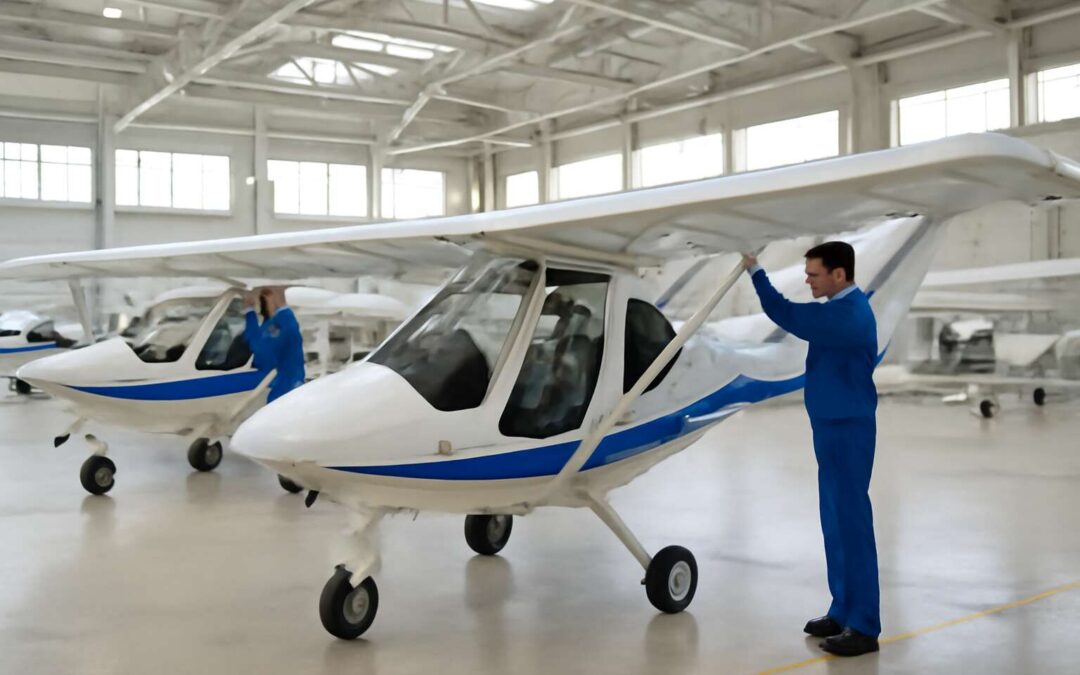
Comprehensive outline for microlight aircraft manufacturers
Regional landscape of microlight aircraft manufacturers
“In every flip of the propeller, a place and a purpose take flight.” The regional landscape of microlight aircraft manufacturers unfolds like a living map, tracing intimate workshops from Cape Town’s sunlit shores to the high veld where metal sings under heat and wind.
At its core, the outline reveals clusters, heritage craft, and resilient supply chains that shape each design. Within South Africa, collaboration between flight schools and makers sustains a vibrant scene, while cross-border partnerships widen horizons.
- Southern Africa hubs: SA-based builders, maintenance networks, and seasoned instructors
- Europe and the Commonwealth: kit aircraft, safety standards, and export pathways
- Americas and Asia-Pacific: niche airframes, trainer fleets, and modular components
From Johannesburg’s inland airstrips to coastal fields, this narrative is a study in place and possibility—a durable thread woven through a country that loves flight.
Popular microlight aircraft manufacturers and flagship models
More than a third of microlight flight hours worldwide are logged on machines born from a handful of trusted microlight aircraft manufacturers. The craft blends rugged, field-tested frames with the shimmer of modern composites, turning a simple wing into a storyteller’s line across sunlit skies.
Across Southern Africa, the regional network thrives on local build teams, maintenance hubs, and seasoned instructors who turn sketches into reliable wings.
Popular microlight aircraft manufacturers and flagship models include:
- Aeroprakt — A-22 Foxbat
- Flight Design — CTLS
- Pipistrel — Virus SW
- Just Aircraft — SuperSTOL
Technology trends shaping microlight aircraft manufacturing
From sunlit airstrips across Southern Africa, a quiet revolution is unfolding in microlight flight. About 38% of microlight flight hours worldwide now ride on designs born from a small cadre of trusted microlight aircraft manufacturers.
Technology trends shaping microlight aircraft manufacturing are weaving science into craft. They tilt the balance toward smarter, more resilient wings and engines that listen as closely as pilots do.
- Lightweight, high-strength composites and automated lay-up techniques for rugged yet nimble frames
- Electric propulsion and energy-dense batteries that extend runway reach and reduce noise
- Digital twins, predictive analytics, and remote diagnostics for proactive maintenance
- 3D printing and modular components that accelerate prototyping and spares readiness
In the South African context, local workshops and flying clubs translate these trends into safer skies and more accessible flying, where repairability and serviceability become a story the next generation can tell with pride.
Buying guidance for microlight aircraft buyers
Flight is a dialogue between aspiration and reliability. In South Africa, buying a microlight isn’t only about speed; it’s about the partner you trust at dawn. The choice of microlight aircraft manufacturers shapes who answers your call when maintenance whispers at 3 a.m. A veteran pilot reminds us: the sky rewards the maker who stands behind the aircraft long after the sale.
A compact buying outline rests on four durable lenses.
- Design lineage and certification status verifying safety and regulatory fit
- Material choices and tolerances that influence durability and maintenance
- Service network and spare-parts accessibility within your region
- Warranty terms and after-sales commitments that protect ownership
In South Africa, a strong local workshop and flying club network turns a purchase into a lasting bond with the sky. microlight aircraft manufacturers become partners in a shared horizon, shaping trust and resilience when weather shifts.