by | Sep 5, 2025 | Blog
Overview of Challenger 2 Microlight
Introduction to Challenger 2 Microlight – Brief description and purpose
The Challenger 2 Microlight stands as a testament to innovative design and engineering excellence within the realm of ultralight aviation. Renowned for its exceptional performance and versatility, this aircraft embodies the spirit of adventure while maintaining a keen focus on safety and efficiency. Perfectly suited for both novice pilots and seasoned enthusiasts, the challenger 2 microlight offers an accessible entry point into the world of light aircraft flying.
In a landscape where aeronautical advancements continually redefine what’s possible, the challenger 2 microlight emerges as an ideal choice for those in South Africa seeking reliable, cost-effective flight options. Its lightweight frame coupled with impressive aerodynamic features ensures a smooth, exhilarating flying experience. Whether for recreational flying or short-distance travel, this microlight’s purpose is clear: to unlock the skies for everyone eager to explore from above.
- Exceptional maneuverability
- Low operating costs
- User-friendly design
Key Features and Specifications – Main technical specs, design highlights
The Challenger 2 Microlight is a marvel of modern ultralight aviation, combining simplicity with impressive technical prowess. Its lightweight construction doesn’t just make it easy to handle; it also enhances fuel efficiency, keeping operating costs low—an essential factor for aspiring pilots and recreational flyers alike. One of its standout features is the aerodynamic design, which ensures smooth, stable flight even in variable weather conditions commonly experienced in South Africa.
At its core, the challenger 2 microlight boasts a durable yet lightweight frame, typically made from high-strength aluminum alloys. Its powerplant is designed for reliability, with engine options that provide ample thrust without sacrificing economy. To give you a clearer picture, here are some key specifications:
- Maximum takeoff weight: approximately 450 kg
- Cruising speed: around 90-100 km/h
- Range: up to 300 km on a full tank
- Wing span: roughly 8 meters
Designed for ease of use, the challenger 2 microlight features a user-friendly cockpit layout, making it suitable for both beginners and experienced pilots. Its exceptional maneuverability allows for precise control, which is vital for navigating South Africa’s diverse landscapes. With its combination of technical sophistication and accessible design, the challenger 2 microlight continues to elevate the experience of light aircraft flying.
Design and Construction – Materials used, aerodynamics, build quality
The Challenger 2 Microlight exemplifies precision engineering, blending lightweight materials with aerodynamic excellence. Its robust yet streamlined construction results in a resilient aircraft capable of handling diverse flying conditions across South Africa. The primary materials used in its build include high-strength aluminum alloys, chosen for their exceptional strength-to-weight ratio. This ensures the microlight remains durable without sacrificing agility or fuel efficiency.
Design-wise, the Challenger 2 Microlight features an aerodynamic shape that promotes stability and smooth handling. Every curve and contour is crafted to reduce drag, allowing for efficient cruising speeds and extended range. The build quality is evident in its meticulous craftsmanship, with tight welds and precision assembly that contribute to its reliability in the skies.
- High-strength aluminum alloys for lightweight resilience
- Optimized aerodynamic design for stability and efficiency
- Solid build quality ensuring durability and safety
All these elements combine to make the challenger 2 microlight a standout in the ultralight aviation industry. Its thoughtful construction and aerodynamic finesse deliver an exceptional flying experience, whether for leisure or training in South Africa’s varied landscapes.
Performance and Handling
Flight Performance – Speed, climb rate, range
The challenger 2 microlight embodies a rare blend of agility and resilience, pushing the boundaries of what a lightweight aircraft can achieve. Its flight performance is a testament to meticulous engineering, offering pilots an exhilarating experience that’s both precise and enduring. With a top speed that it can reach comfortably, the challenger 2 microlight ensures an engaging journey across diverse terrains, making every sortie feel like a personal conquest.
Climb rate remains impressive for its class, allowing pilots to ascend rapidly and reach cruising altitudes with ease. This nimbleness translates into a remarkable range, enabling extended flights over South Africa’s expansive landscapes without compromise. The challenger 2 microlight’s handling is equally notable—responsive, intuitive, and capable of adapting seamlessly to various flying conditions. Whether weaving through mountain passes or cruising open skies, pilots find a level of control that inspires confidence and fosters a deeper connection with the craft.
- Speed: The challenger 2 microlight can achieve speeds that satisfy both recreational and practical flying needs.
- Climb rate: Its rapid ascent capability ensures quick altitude gains, essential for avoiding obstacles or optimizing flight paths.
- Range: Extended operational range makes it suitable for longer journeys, perfect for exploring South Africa’s diverse terrains and remote areas.
Handling Characteristics – Stability, maneuverability, ease of control
The challenger 2 microlight exemplifies a mastery of flight that feels almost mythical in its grace and precision. Its handling characteristics are a testament to meticulous engineering, ensuring stability even in unpredictable South African weather. Pilots often describe the challenger 2 microlight as an extension of their own instincts—responsive, intuitive, and remarkably nimble.
Its stability allows for a serene flying experience, reducing fatigue and boosting confidence during extended journeys. Maneuverability is where the challenger 2 microlight truly shines—enabling swift turns, gentle climbs, and smooth descents with minimal effort. This agility makes it an ideal choice for exploring South Africa’s varied terrains, from rugged mountains to sprawling plains.
- Ease of control—designed for pilots of all experience levels to handle confidently.
- Responsive handling—reacts precisely to pilot inputs, fostering a seamless flying experience.
- Adaptability—excels in diverse flying conditions, from calm mornings to gusty afternoons.
Such characteristics make the challenger 2 microlight not just an aircraft, but a trusted partner in every adventure, weaving stability and maneuverability into a harmonious dance across the skies of South Africa. Its handling is a symphony of engineering, offering a flying experience that’s both exhilarating and reassuring—truly a marvel of modern microlight design.
Suitable Weather Conditions – Operational considerations in different climates
The challenger 2 microlight is renowned for its adaptability across diverse weather conditions, making it a reliable choice for pilots in South Africa. Its performance remains consistent whether flying through clear skies or navigating gusty afternoons. This versatility is a testament to its robust design and aerodynamic stability, ensuring safe operation even in challenging climates.
In regions with variable weather, operational considerations are crucial. The challenger 2 microlight handles wind and turbulence with surprising grace, thanks to its responsive handling and stable build. Pilots often appreciate its ability to maintain control during sudden weather shifts, making it an all-weather aircraft that excels in different climates.
Weather conditions influence flight planning, especially in South Africa’s diverse landscape. For optimal safety, pilots should monitor local weather reports and be aware of temperature and wind patterns. The challenger 2 microlight’s design supports these needs, offering dependable performance whether flying in the cool mornings or warmer, gusty afternoons.
Technology and Innovation
Avionics and Instruments – Navigation, communication, flight data
In the realm of microlight aviation, the Challenger 2 Microlight stands out for its cutting-edge avionics and instrumentation. These advanced systems transform the cockpit into a hub of precision, offering pilots unparalleled control and situational awareness. Equipped with state-of-the-art navigation tools, the Challenger 2 Microlight ensures pilots can traverse complex airspaces with confidence, even in challenging weather conditions.
Communication is equally vital, and the Challenger 2 Microlight integrates robust radio systems that allow seamless contact with air traffic control and fellow pilots. Flight data displays provide real-time metrics—altitude, speed, heading—delivering crucial information at a glance. This combination of technology and innovation not only enhances safety but also elevates the flying experience to new heights.
For those who appreciate meticulous design, the Challenger 2 Microlight’s avionics suite is a marvel—featuring intuitive interfaces and reliable performance. Whether navigating South Africa’s diverse climates or executing complex flight patterns, this microlight’s instrumentation ensures every journey is precise, safe, and remarkably exhilarating.
Engine and Powertrain – Type, efficiency, reliability
In the realm of microlight aviation, where elegance meets engineering prowess, the Challenger 2 Microlight emerges as a marvel of technology and innovation. Its engine, a finely tuned powertrain, embodies a symphony of efficiency and reliability, propelling pilots through the South African skies with unwavering confidence. Designed for endurance, the Challenger 2 Microlight’s engine is not merely a source of thrust but a testament to meticulous craftsmanship and aerodynamic harmony.
This aircraft’s powertrain features a lightweight, high-performance engine that balances fuel economy with robust output, ensuring each flight is both exhilarating and sustainable. The Challenger 2 Microlight’s engine operates seamlessly, providing smooth acceleration and consistent power even in challenging weather conditions—an essential trait for pilots navigating diverse South African climates. The reliability of this powertrain is what transforms fleeting moments of flight into enduring journeys of discovery.
- Advanced fuel injection systems optimize combustion, enhancing efficiency and reducing emissions.
- Engine components are crafted from durable materials, ensuring longevity and minimal maintenance.
- Innovative cooling technologies prevent overheating, allowing for extended flight durations.
Every element of the Challenger 2 Microlight’s engine and powertrain is engineered to elevate the flying experience—delivering a harmonious blend of power, efficiency, and dependability that captures the spirit of adventure and mastery in the skies.
Safety Features – Emergency systems, safety enhancements
The Challenger 2 Microlight is a testament to cutting-edge technology and innovative safety design, elevating the experience of every pilot who takes to the skies. Its advanced safety features are not merely add-ons but integral to its architecture, ensuring pilots can navigate South Africa’s diverse climates with confidence. Among these, state-of-the-art emergency systems stand ready to act swiftly, providing vital reassurance during unforeseen circumstances.
Enhanced safety isn’t just about emergency protocols; it’s embedded within every element of the Challenger 2 Microlight. Features such as ballistic recovery systems, crash-resistant seats, and comprehensive fire suppression mechanisms work harmoniously to maximize protection. Additionally, the aircraft’s modern avionics include collision avoidance sensors and GPS-based navigation, which significantly reduce risks in complex airspaces.
- Automatic emergency locator transmitters (ELTs) that activate in case of an incident, ensuring swift rescue response.
- Redundant control systems designed to maintain stability even if primary controls are compromised.
- Enhanced structural integrity using lightweight yet durable materials, providing resilience against unpredictable weather phenomena.
Every safety enhancement in the challenger 2 microlight exemplifies a commitment to safeguarding both pilot and craft, transforming each flight into a journey of mastery and adventure, underpinned by unwavering security. It’s this meticulous attention to safety that makes the Challenger 2 Microlight a trusted companion in the pursuit of freedom among the South African skies.
Advantages of Challenger 2 Microlight
Ease of Use for Beginners – Training suitability, user-friendly controls
One of the standout advantages of the challenger 2 microlight is its exceptional ease of use for beginners. Designed with intuitive controls and straightforward operation, it makes the learning curve less steep for new pilots. Whether you’re just starting out or transitioning from ground training, this microlight offers a smooth introduction to flight.
Training suitability is another key benefit. The challenger 2 microlight is highly regarded in flight schools across South Africa because it combines simplicity with reliability. Its user-friendly cockpit layout ensures that learners can focus on developing their flying skills without unnecessary distractions.
- Accessible controls for easy handling
- Responsive yet forgiving flight characteristics
- Ideal for novice pilots seeking confidence-building experiences
Furthermore, the challenger 2 microlight’s stability and predictable handling foster safe learning environments. It’s designed to provide a natural feel for new pilots, which can significantly boost confidence as they progress. With its straightforward operational features, the challenger 2 microlight stands out as an excellent choice for those eager to explore the skies with minimal fuss and maximum safety.
Cost-Effectiveness – Purchase price, operational costs
The challenger 2 microlight exemplifies a compelling intersection of affordability and dependable performance, making it an attractive option for both budding pilots and seasoned enthusiasts in South Africa. Its purchase price remains accessible within the microlight market, providing an entry point without sacrificing quality or safety. More importantly, operational costs—encompassing maintenance, fuel consumption, and routine inspections—are remarkably economical, ensuring that flying remains a passion accessible to many, rather than a costly indulgence.
For those considering the challenger 2 microlight, the financial practicality is further evidenced by its low-cost upkeep, which does not compromise its robustness or flying capabilities. Its efficient engine design and straightforward maintenance requirements translate into fewer expenses over its lifespan, allowing pilots to focus on the thrill of flight without the burden of excessive costs. This combination of cost-effectiveness and reliability cements the challenger 2 microlight’s status as a prudent investment for individuals and flight schools alike, eager to explore the skies with minimal financial strain but maximum confidence.
Versatility and Utility – Different uses, adaptability
The challenger 2 microlight’s versatility transforms it into more than just a recreational aircraft; it’s a dynamic tool capable of adapting to a variety of uses in South Africa’s diverse landscapes. From scenic tours over the Drakensberg to pilot training programs, this aircraft proves its worth in multiple roles. Its adaptable design allows for modifications that suit both leisure flyers and professional operators, showcasing its broad utility.
Whether used for aerial photography, flight instruction, or simply exploring remote corners of the country, the challenger 2 microlight’s stability and ease of handling make it an ideal choice. Its ability to perform reliably across different weather conditions further extends its utility, ensuring pilots can confidently take to the skies even in less predictable climates. For those seeking a blend of functionality and reliability, the challenger 2 microlight stands out as a truly versatile aircraft.
- Scenic sightseeing tours showcasing South Africa’s breathtaking scenery
- Flight training for aspiring pilots, thanks to its user-friendly controls
- Personal transportation for remote areas where road access is limited
In essence, the challenger 2 microlight’s adaptability underscores its appeal—offering pilots the flexibility to pursue their aviation passions while also serving practical purposes. Its ability to seamlessly transition between different roles makes it a smart investment for flight schools, adventure operators, and individual enthusiasts eager to explore every corner of South Africa’s expansive skies.
Challenger 2 Microlight vs Competitors
Market Comparison – Key competitors and how Challenger 2 stands out
In a market saturated with ultralight aircraft, the challenger 2 microlight distinguishes itself through an intriguing blend of innovation and reliability, captivating both seasoned pilots and newcomers alike. When comparing the challenger 2 microlight to its key competitors—such as the Jabiru J160 and the Flight Design CTLS—the differences become strikingly evident. While many rivals emphasize lightweight design, the challenger 2 microlight excels in offering superior aerodynamics and resilience, often resulting in enhanced stability and longer operational lifespan.
What truly sets the challenger 2 microlight apart is its meticulous construction, employing durable composite materials that balance weight and strength seamlessly. This focus on build quality not only elevates safety but also ensures optimal handling characteristics, making it a favored choice among those seeking a versatile aircraft capable of adapting to various weather conditions. Its flight performance is particularly notable, with impressive climb rates and fuel efficiency that outshine many competitors, reinforcing its reputation as a reliable, cost-effective option for enthusiasts and professionals in South Africa.
Performance Differentials – Speed, range, handling
When comparing the challenger 2 microlight to its key competitors, performance differentials reveal a fascinating story of innovation and finesse. Speed-wise, the challenger 2 microlight can reach impressive cruise velocities — often surpassing rivals like the Jabiru J160 and Flight Design CTLS, thanks to its aerodynamic design and efficient powertrain. This means pilots enjoy quicker transit times and more exhilarating flights across South African skies.
Range is another critical factor. The challenger 2 microlight boasts a longer operational radius, enabling extended adventures without the need for frequent refueling. Its handling characteristics further distinguish it: with exceptional stability and maneuverability, pilots find it a joy to control, even in challenging weather conditions. Unlike some competitors, which may feel twitchy or less forgiving, the challenger 2 microlight offers a smooth, predictable flight experience that boosts confidence for both novices and seasoned aviators.
- Superior speed and fuel efficiency
- Extended range for longer journeys
- Enhanced handling for varied weather conditions
All these performance differentials make the challenger 2 microlight a shining star in the ultralight aircraft market, especially in South Africa where diverse climates demand adaptable, reliable aircraft. Its ability to combine swift performance with economical fuel consumption and effortless handling truly sets it apart from the competition. Flying the challenger 2 microlight is not just about transportation—it’s an invitation to explore the skies with confidence and grace!
Price and Value – Cost comparison, long-term benefits
In the world of ultralight aircraft, cost and value are often the deciding factors for enthusiasts and pilots alike. The challenger 2 microlight offers a compelling balance of affordability and long-term benefit that sets it apart from competitors. While initial purchase prices are competitive, the real advantage lies in its operational efficiency and durability, which translate into significant savings over time.
Compared to other ultralights like the Jabiru J160 or Flight Design CTLS, the challenger 2 microlight tends to have lower maintenance costs and better fuel economy. These factors not only reduce the total cost of ownership but also make it a more sustainable choice for those seeking extended flying hours without breaking the bank. For pilots in South Africa, where fluctuating fuel prices are a concern, this aspect is especially relevant.
- Affordable initial investment
- Lower ongoing operational expenses
- Long-lasting build quality enhances resale value
Ultimately, the challenger 2 microlight provides exceptional value, combining a reasonable price point with features that support long-term flying enjoyment. Its cost-effectiveness ensures that pilots can focus on exploring the skies rather than worrying about budget constraints, making it an astute choice in the ultralight aircraft market.
Buying and Owning a Challenger 2 Microlight
Purchase Options – New vs used, authorized dealers
Embarking on the quest to acquire a challenger 2 microlight is akin to choosing a trusted steed for your aerial adventures. Whether you lean toward a brand-new model or a meticulously maintained used aircraft, the purchase options are as diverse as the South African skies themselves. Opting for a new challenger 2 microlight guarantees the allure of cutting-edge technology, factory warranties, and the reassurance of factory-fresh craftsmanship. Conversely, a used challenger 2 microlight may offer a more budget-friendly entry into the world of ultralight aviation, often with the added charm of proven reliability and a rich history of flight.
When considering where to purchase, authorized dealers play a pivotal role—they serve as the gatekeepers of authenticity and quality. A reputable dealer ensures that every challenger 2 microlight you inspect has undergone rigorous inspections, adheres to safety standards, and comes with comprehensive support. Here’s a quick rundown of your options:
- New challenger 2 microlights from authorized dealers—maximizing warranty coverage and latest features.
- Pre-owned challenger 2 microlights—ideal for those seeking affordability and verified operational history.
In the South African market, navigating between these avenues requires keen discernment, but rest assured, choosing a challenger 2 microlight from an authorized dealer ultimately ensures a seamless ownership experience, blending safety, performance, and value into the perfect airborne companion.
Maintenance and Servicing – Routine upkeep, parts availability
Maintaining a challenger 2 microlight is an art that balances precision with passion. Routine upkeep is essential to keep this marvel of lightweight aviation soaring effortlessly through South Africa’s vibrant skies. Regular inspections of the engine, control surfaces, and safety systems not only preserve optimal performance but also extend the lifespan of your challenger 2 microlight. Ensuring parts are available when needed is crucial—reputable suppliers and authorized service centers keep the heart of your aircraft beating strong.
A well-maintained challenger 2 microlight often requires a straightforward maintenance schedule, which might include oil changes, control surface checks, and tire inspections. For those seeking convenience, many authorized dealers offer comprehensive servicing packages—an investment that safeguards your flight experience.
In terms of parts availability, the challenger 2 microlight benefits from a robust supply chain, with genuine components readily accessible within South Africa. This ensures that repairs and upgrades are seamless, keeping your aircraft ready for adventure with minimal downtime. Whether you’re a seasoned pilot or a newcomer, diligent maintenance and reliable parts supply are the foundation for a safe, exhilarating journey in your challenger 2 microlight.
Legal and Regulatory Considerations – Licensing, airspace regulations
Owning a challenger 2 microlight in South Africa is an exhilarating journey that demands a clear understanding of legal and regulatory considerations. Before taking to the skies, pilots must secure the appropriate licensing, which varies depending on the aircraft’s weight and purpose. In South Africa, microlight pilots typically require a valid pilot license issued by the South African Civil Aviation Authority (SACAA). This ensures you meet all safety and competency standards essential for safe operation of your challenger 2 microlight.
Airspace regulations are equally important. South Africa’s skies are divided into different zones, each with specific rules that govern microlight operations. For example, operations near controlled airspace require prior approval, and certain altitude restrictions apply to ensure safety for all airspace users. To navigate this complex environment, familiarity with the South African Aeronautical Information Publication (AIP) is crucial—especially for challenging weather conditions or remote flying scenarios.
For seamless compliance, many challenger 2 microlight owners opt for an ordered list of steps:
- Secure the appropriate pilot licensing and registration.
- Understand specific airspace restrictions and obtain necessary permissions.
- Ensure your challenger 2 microlight has valid certification and insurance coverage.
By adhering to these legal and regulatory protocols, owners can enjoy their challenger 2 microlight adventures with confidence, knowing they are flying within the bounds of the law. This foundation is vital—because in the world of lightweight aviation, safety and compliance are the true keys to unlocking boundless skies in South Africa.
Additional Resources and Support
Pilot Training Programs – Learning to fly Challenger 2
Embarking on the journey to master the challenger 2 microlight is no small feat, and fortunate pilots are often encouraged to leverage a wealth of additional resources and support pilot training programs. These programs are meticulously designed to bridge the gap between novice enthusiasm and seasoned expertise, ensuring pilots gain the confidence and knowledge necessary to operate this exceptional aircraft safely and efficiently. Whether through local flying clubs, specialized coaching, or comprehensive online modules, aspiring challenger 2 microlight pilots find a variety of avenues to refine their skills.
For those committed to excellence, structured training programs often include practical flight sessions, safety workshops, and theoretical coursework. Some programs even incorporate advanced simulator sessions, allowing pilots to experience diverse weather conditions and emergency scenarios in a controlled environment. To streamline learning, many institutions offer tailored mentorship opportunities, where experienced instructors provide personalized guidance. This holistic approach not only enhances proficiency but also fosters a sense of community among challenger 2 microlight enthusiasts.
Furthermore, a selection of reputable resources—ranging from detailed manuals to online forums—are invaluable for ongoing education. Enrolling in certified pilot training programs can dramatically elevate one’s understanding of the challenger 2 microlight’s nuanced handling, aerodynamics, and safety procedures, ultimately transforming a hobby into a confident mastery of the skies. After all, the right support and resources turn what begins as a mere interest into a lifelong aviation adventure!
Clubs and Community – Owner groups, flying clubs
For those who have embraced the challenge of flying the challenger 2 microlight, the journey extends far beyond initial training. A vibrant community of owner groups and flying clubs offers an invaluable network of shared knowledge, camaraderie, and support. These organizations are more than mere social gatherings—they are repositories of collective experience, helping pilots navigate the complexities of operating this exceptional aircraft in diverse South African climates.
Joining an owner group or flying club provides access to mentorship from seasoned pilots and opportunities for collaborative flying sessions. Many clubs host safety workshops and technical seminars, fostering a culture of continuous learning and mutual encouragement. Such environments cultivate confidence and deepen understanding, transforming solitary pursuits into a shared passion. For those seeking to expand their expertise, these communities often maintain comprehensive online forums where enthusiasts exchange tips, maintenance advice, and flight reports—an ongoing source of inspiration and practical knowledge.
Whether you’re an aspiring pilot or a seasoned aviator, the power of community support cannot be overstated. The challenger 2 microlight is not just an aircraft; it’s a gateway to a network of enthusiasts dedicated to pushing boundaries and elevating standards in South Africa’s aeronautical landscape.
Manufacturer Contact and Support – Customer service, warranties
In the shadowed corridors of aviation, where craftsmanship meets the boundless sky, the Challenger 2 Microlight stands as a testament to resilience and innovation. For those who dare to embrace this aircraft, additional resources and support become the guiding lanterns illuminating the intricate path of flight. Manufacturer contact and support channels serve as vital lifelines—offering expert guidance, troubleshooting, and reassurance amid the unpredictable dance of the clouds.
Customer service for the Challenger 2 Microlight transcends mere assistance; it is an ongoing dialogue woven into the fabric of aviation mastery. Whether seeking technical advice or warranty information, pilots find solace in dedicated support networks. Many manufacturers in South Africa maintain comprehensive after-sales programs, ensuring parts availability and swift repairs that uphold the aircraft’s integrity.
For those yearning to deepen their bond with this marvel of engineering, the Challenger 2 Microlight manufacturer often provides access to specialized training, maintenance manuals, and direct lines of communication. Here are some vital avenues to explore:
- Official customer support portals with real-time assistance
- Authorised service centres across South Africa
- Warranty programs that safeguard your investment
Engaging with these resources not only preserves the sanctity of flight but also ensures your Challenger 2 Microlight remains a steadfast companion in the wild, open skies. The journey of mastery is an odyssey of trust, where manufacturer support becomes the steady heartbeat behind every flight into the unknown.
by | Aug 31, 2025 | Blog
Understanding Microlight Aircraft Range
Definition of Microlight Aircraft
When contemplating the marvel of microlight aircraft, understanding their range is essential — it unlocks the true potential of these nimble machines. The term “microlight aircraft range” refers to the maximum distance a microlight can travel on a single tank of fuel, a crucial factor for pilots seeking adventure or practical transport. Unlike larger aircraft, microlights are celebrated for their agility and minimalistic design, but their limited fuel capacity inevitably narrows their operational scope.
At the heart of the microlight aircraft range lies a delicate balance between weight, fuel efficiency, and pilot skill. A typical microlight may have a range spanning from 100 to 300 kilometers, depending on variables like payload and weather conditions. For enthusiasts in South Africa, this range opens a world of possibilities — from scenic flights over rugged landscapes to short cross-country journeys, all within the bounds of a lightweight frame.
- Fuel capacity
- Aircraft weight
- Pilot experience
- Environmental factors
What Influences Flight Range in Microlights
Understanding what influences the microlight aircraft range reveals the intricate dance between engineering and human skill. While these aircraft are celebrated for their agility and minimalistic design, their flight distance is shaped by a variety of factors. Fuel capacity, for instance, plays a pivotal role—smaller tanks limit the distance, often capping it at around 100 to 300 kilometers, depending on conditions. But it’s not just about fuel. The overall aircraft weight, including payload and fuel load, can significantly impact how far a microlight can travel.
Pilot experience also contributes in subtle but powerful ways. Seasoned pilots tend to optimise flight paths, altitude, and speed, enhancing the microlight aircraft range. Environmental factors add an unpredictable element—wind, temperature, and weather conditions can either extend or shorten your journey. In South Africa, where rugged landscapes meet unpredictable skies, understanding these influences is essential for safe, enjoyable flying adventures.
Importance of Range for Pilots and Enthusiasts
For pilots and enthusiasts alike, understanding the microlight aircraft range isn’t just a matter of curiosity—it’s a vital aspect of the flying experience. In a world where every flight is a delicate balance between adventure and precision, knowing how far your aircraft can travel empowers safer, more confident journeys. The beauty of a microlight lies in its agility, but that agility is tempered by the limits of its range. Whether planning a scenic flight or an extended exploration of South Africa’s rugged landscape, a clear grasp of the microlight aircraft range ensures your flight remains within safe boundaries.
In practical terms, awareness of the microlight aircraft range influences every decision—from selecting the perfect flight path to managing fuel consumption. For those who cherish the freedom of the skies, understanding these limits transforms a simple flight into a harmonious dance with nature. Remember, the span of your adventure hinges on factors like fuel capacity, payload, and environmental conditions. Appreciating these nuances elevates the experience from mere travel to a soulful journey across the boundless South African skies.
Factors Affecting Microlight Aircraft Range
Aircraft Design and Payload
When it comes to microlight aircraft range, the devil is truly in the details—like how the aircraft’s design and payload can turn a short hop into an epic adventure. Surprisingly, even a few extra kilograms of payload can chop a significant chunk off your flight distance, thanks to the increased fuel consumption and aerodynamic drag. It’s a delicate balancing act: pack too much, and you risk sacrificing precious range; travel light, and you might just squeeze in that extra scenic route.
Aircraft design plays a pivotal role—sleek, lightweight frames with efficient aerodynamics can stretch your microlight aircraft range further than you might expect. Powertrain choices, such as engine type and fuel efficiency, also tip the scales in your favor. For those who want maximum miles for minimal fuss, choosing an aircraft with optimized weight distribution and minimal drag is essential. Remember, every kilogram added to the payload can reduce your microlight aircraft range, so strategic planning is key to unlocking those long, leisurely flights across the South African skies!
Fuel Capacity and Consumption
Fuel capacity and consumption are the twin engines that propel the mystique of microlight aircraft range through the skies of South Africa. A seemingly modest fuel tank can, in truth, be a vessel of endless adventure—if managed with the precision of a seasoned explorer. The delicate dance between how much fuel your aircraft can carry and how efficiently it burns determines whether your journey is a fleeting glide or an epic voyage across the horizon.
It’s essential to understand that fuel consumption isn’t merely a matter of engine size; it’s intricately linked to the aircraft’s design, weight, and flying conditions. High-performance engines may deliver more power but often sip fuel with ravenous appetite, subtly trimming the distance you can traverse. Conversely, optimized aerodynamics and lightweight construction can stretch your microlight aircraft range, allowing you to chase distant sunsets without fear of running dry.
For those seeking to maximize their aerial odyssey, consider these factors:
- Type of engine and its fuel efficiency
- Fuel tank capacity integrated into the aircraft design
- Flying altitude and speed—both influence consumption rates
Every pilot’s dream is to unlock the full potential of their microlight aircraft range, turning a simple flight into a legendary tale of exploration and discovery across South Africa’s vast and varied skies.
Weather Conditions and Altitude
The capricious whispers of weather and the lofty embrace of altitude are the silent architects shaping the true extent of your microlight aircraft range. South Africa’s skies, with their dramatic shifts in wind and temperature, challenge even the most seasoned pilots to adapt swiftly. A clear, stable day can stretch your flight farther, whispering promises of endless horizons, while turbulent weather or unexpected gusts nibble away at your fuel reserves, curbing your adventure’s reach.
Altitude, too, wields its influence—flying higher can reduce air density, often leading to more efficient engine performance. Yet, ascend too ambitiously, and the thinner air demands more power, subtly trimming your range. Balancing these elements, pilots learn to read the sky’s moods, understanding that every cloud and breeze plays a vital role in defining just how far their microlight aircraft range can carry them across South Africa’s stunning vistas.
Pilot Technique and Flight Planning
Mastering the art of extending your microlight aircraft range is as much about technique as it is about understanding the sky’s subtle language. Pilots who approach each flight with an introspective awareness of their own habits often find themselves navigating farther, with fewer surprises. The way you manage throttle, maintain smooth control inputs, and anticipate weather changes can significantly influence your aircraft’s endurance. Every decision, from adjusting speed to choosing optimal altitude, reflects a conscious dialogue with your craft and the environment.
Flight planning becomes an act of moral inquiry—an exploration of limits and possibilities. It’s crucial to consider not just the distance but the nuances of fuel management and route selection. For instance, pilots might opt for a route that avoids turbulent air pockets or gusty winds, which can sap your microlight aircraft range unexpectedly. An understanding of wind currents and atmospheric conditions enables a more precise calculation of how far your vessel can carry you across South Africa’s breathtaking landscapes. After all, every flight is a journey into the delicate balance of human skill and natural forces, shaping the true extent of your microlight aircraft range.
- Meticulous pre-flight planning helps identify potential obstacles that could limit your range, such as terrain or airspace restrictions.
- Adjusting your speed and altitude based on real-time weather insights can maximize fuel efficiency and extend your flight.
- Continuous in-flight assessment allows pilots to adapt dynamically, ensuring safety while pushing the boundaries of your aircraft’s capabilities.
Maintenance and Mechanical Condition
The delicate dance of maintaining peak performance in a microlight aircraft hinges on more than just pilot skill; it is profoundly influenced by the vessel’s mechanical soul. A finely tuned engine, like a vigilant heartbeat, ensures that each ounce of fuel is maximized, pushing the boundaries of your microlight aircraft range. Mechanical condition deteriorates subtly—worn spark plugs, clogged filters, or imbalanced propellers—each a silent thief of endurance and distance.
Ensuring optimal maintenance involves a vigilant regimen, where regular inspections reveal potential obstacles before they become flight-halting realities. Neglecting these details can drastically curtail your flight’s reach. A well-maintained aircraft not only sustains safety but also amplifies efficiency. Sometimes, a simple adjustment—like balancing the propeller or checking oil levels—can unlock unexpected extensions of your microlight aircraft range.
In the pursuit of maximum range, pilots often consider:
- Engine tuning and preventative maintenance
- Monitoring fuel system integrity
- Addressing any mechanical irregularities promptly
Every component, from the smallest bolt to the engine’s core, plays a pivotal role in extending the journey—transforming a mere flight into a symphony of precision and resilience. The harmony between mechanical integrity and prudent flying fuels the quest to push the limits of your microlight aircraft range, especially across South Africa’s vast, varied landscapes.
Types of Microlight Aircraft with Known Ranges
Weight-Shift Microlights
Among the myriad classifications of microlight aircraft, weight-shift microlights stand out for their unique aerodynamic philosophy and captivating flight characteristics. These aircraft, often beloved by enthusiasts for their direct control inputs and visceral connection to the skies, possess distinctive range capabilities that are surprisingly impressive given their minimalist design.
Typically, weight-shift microlights boast a remarkable microlight aircraft range, often between 80 to 150 nautical miles, depending on factors such as fuel capacity, payload, and flight conditions. Their simplicity translates into efficiency; fewer mechanical complexities mean less weight and more room for fuel, allowing pilots to explore greater distances than one might initially expect.
- Fuel-efficient engines
- Lightweight construction
- Optimized aerodynamics
Understanding these nuances is crucial for pilots aiming to maximize their flying experience. When planning longer journeys, careful consideration of the microlight aircraft range becomes paramount, especially when navigating the varied terrain and weather patterns of South Africa. With proper planning, weight-shift microlights can unlock a world of adventure, seamlessly blending simplicity with impressive endurance in the sky.
Powered Paragliders
When exploring the diverse world of microlight aircraft, powered paragliders stand out as a fascinating category with their impressive microlight aircraft range. Unlike fixed-wing designs, powered paragliders rely on a flexible wing and a lightweight engine, making them incredibly portable and accessible. Their range typically varies between 20 to 50 nautical miles, though this can fluctuate based on engine efficiency and flying conditions.
What makes powered paragliders particularly intriguing is their ability to deliver a surprisingly decent microlight aircraft range despite their minimalistic setup. Pilots often appreciate the ease of handling and the ability to cover short to medium distances without the bulk of traditional aircraft. For those planning a scenic flight or short cross-country adventure, understanding the true capabilities of powered paragliders’ range is vital.
In some cases, the choice of engine and fuel capacity can significantly extend the microlight aircraft range, making these aircraft suitable for a variety of recreational pursuits. As a result, powered paragliders have carved out a niche for pilots seeking an exciting yet efficient way to explore the skies. Whether for leisure or sport, knowing the nuances of powered paragliders’ range enhances the overall flying experience, especially in regions like South Africa where varied terrain demands careful planning.
Fixed-Wing Microlights
Among the diverse tapestry of microlight aircraft, fixed-wing models stand as a testament to aerodynamic ingenuity and operational versatility. Their streamlined profiles and robust construction often translate into impressive microlight aircraft range, enabling pilots to traverse greater distances with ease. These aircraft, designed for efficiency, typically boast ranges from 100 to 300 nautical miles, making them suitable for both leisurely sightseeing flights and short cross-country adventures.
What sets fixed-wing microlights apart is their ability to optimize fuel consumption through aerodynamic refinement and efficient engine design. Some models, especially those with larger fuel tanks, push the boundaries further, offering ranges that can extend beyond 350 nautical miles under ideal conditions. For pilots navigating the varied terrain of South Africa, understanding the nuances of fixed-wing microlight aircraft range becomes essential—balancing fuel capacity, weight, and flight planning with precision.
- Design and aerodynamics
- Engine efficiency
- Fuel capacity and consumption
- Weather and altitude considerations
For enthusiasts seeking adventure or professionals conducting aerial surveys, fixed-wing microlights provide a compelling blend of endurance and agility—an elegant dance between engineering mastery and the desire to explore the skies. Their range, a vital aspect of their allure, embodies the spirit of freedom that defines microlight aviation in South Africa and beyond.
Seaplane Variants
Among the shadowed realms of the sky, seaplane variants of microlight aircraft carve a mysterious path across the waters and clouds alike. These ethereal vessels, capable of taking off and landing on water surfaces, expand the horizons of microlight aviation with ranges that whisper of adventure. Typically, a seaplane microlight can achieve a range of approximately 150 to 250 nautical miles, depending on design and fuel capacity. Their ability to traverse both air and water makes them uniquely suited for exploring South Africa’s rugged coastlines and inland lakes with a sense of poetic freedom.
What makes these seaplane variants especially captivating is their aerodynamic finesse and efficient engine systems, which are meticulously crafted to optimize fuel consumption. Larger fuel tanks can extend their microlight aircraft range beyond 300 nautical miles, allowing daring pilots to embrace longer journeys over the water’s mirror-like surface. For those who seek to unlock the secrets of the coast or distant inland territories, understanding the nuances of seaplane microlight range becomes essential — a delicate balance of weight, weather, and navigation in the pursuit of boundless skies.
Average Range of Different Microlight Models
Entry-Level Microlights
When it comes to microlight aircraft range, entry-level models often surprise newcomers with their impressive capabilities. Many beginner-friendly microlights can comfortably cover distances of 100 to 150 kilometers on a single tank of fuel. This range makes them ideal for local sightseeing, training flights, or quick excursions without the need for extended planning. The simplicity of their design and efficient fuel consumption contribute significantly to their flight endurance, making them popular among recreational pilots.
For those exploring options, understanding the typical range of entry-level microlights can be a game-changer. These aircraft are designed to maximize fuel efficiency while maintaining safety and ease of operation. In South Africa, where diverse weather conditions can influence flight plans, knowing your microlight aircraft range ensures smoother, more confident flying experiences. Whether you’re a hobbyist or just starting out, recognizing the capabilities of these lightweight aircraft helps tailor your flying adventures perfectly.
Advanced and Custom Models
For those captivated by the thrill of flight, understanding the microlight aircraft range of advanced and custom models unlocks a new dimension of adventure. Unlike entry-level options, these aircraft often boast impressive distances—some capable of reaching up to 300 kilometers or more on a single tank of fuel. Such extended range transforms spontaneous explorations into grand journeys across South Africa’s diverse landscapes, from lush coastlines to rugged mountains.
High-performance microlights, whether fixed-wing or seaplane variants, are meticulously engineered to optimize fuel efficiency without sacrificing safety. They often feature larger fuel tanks and refined aerodynamics, allowing pilots to traverse greater distances with confidence and ease. Here’s a quick overview of typical ranges:
- Standard advanced models: 150-250 kilometers
- Custom, high-end configurations: 250-350 kilometers
These figures exemplify how innovation in aircraft design continues to push the boundaries of the microlight aircraft range, opening doors to new horizons for South African aviators eager to explore their skies with reliability and wonder.
Comparative Range Charts
When comparing different microlight aircraft models, understanding their average range is crucial for planning adventures across South Africa’s stunning landscapes. While entry-level microlights typically offer a range of around 100 to 150 kilometers, advanced and custom models significantly extend this distance. These high-performance aircraft, whether fixed-wing or seaplane variants, often deliver between 250 and 350 kilometers on a single tank of fuel, making spontaneous explorations more feasible than ever before.
To visualize the spectrum, consider this comparative range chart for popular microlight aircraft models:
- Standard entry-level models: 100-150 kilometers
- Mid-tier models: 150-250 kilometers
- High-end custom configurations: 250-350 kilometers
Such figures highlight how advancements in aircraft design and fuel efficiency continue to push the limits of the microlight aircraft range. For South African pilots eager to explore everything from coastal plains to mountain passes, these extended ranges open new horizons, transforming everyday flights into grand journeys of discovery.
Maximizing Your Microlight Aircraft Range
Optimized Flight Planning
When it comes to microlight aircraft range, a little savvy flight planning can stretch your flying adventures further than a bird on a caffeine binge. Think of it as the art of turning tiny tanks of fuel into a jet-setting marvel—without the need for a PhD in aeronautics. Optimized flight planning isn’t just an academic exercise; it’s the secret sauce that transforms a modest microlight into a true explorer’s companion. With the right approach, pilots can maximize their microlight aircraft range, ensuring they find the best balance between adventure and practicality.
Strategic route planning, considering weather windows, wind conditions, and altitude, can significantly boost your microlight aircraft range. For example, flying with the wind rather than against it might seem obvious, but it’s often overlooked in the thrill of the takeoff. Pilots who understand the nuances of their aircraft’s fuel consumption patterns and adjust their altitude accordingly—preferably to where the air is thinner—can eke out every last mile. Remember, a well-placed fuel stop or a scenic detour might add charm, but it’s the finesse of flight planning that truly maximizes your aircraft’s potential.
Weight Management and Payload Optimization
Maximizing your microlight aircraft range hinges on more than just fuel capacity; it demands meticulous weight management and payload optimization that transforms every ounce into a strategic asset. Pilots who master the delicate art of balancing payloads—carefully selecting essential gear and minimizing unnecessary weight—can unlock extraordinary endurance in the sky. This is particularly vital in the South African landscape, where diverse terrains and unpredictable weather demand adaptability and precision.
By adopting a nuanced approach to weight management, pilots not only extend their microlight aircraft range but also enhance safety and flight efficiency. For example, reducing excess baggage and optimizing passenger seating arrangements can dramatically improve fuel economy. In essence, payload optimization becomes a psychological game of restraint—where less truly is more—and a testament to the pilot’s mastery over their craft.
Furthermore, strategic distribution of weight—such as positioning heavier items closer to the aircraft’s center of gravity—can influence flight dynamics profoundly, allowing for greater control and fuel efficiency. In this way, every flight transforms into a calculated ballet of physics and instinct, where understanding the intricacies of weight management directly correlates with extending your microlight aircraft range. So, in the pursuit of adventure, it’s this precise control over weight and payload that often makes the difference between a fleeting journey and a memorable odyssey.
Choosing Suitable Weather Conditions
Weather conditions are the invisible puppeteers orchestrating the true potential of your microlight aircraft range. In South Africa’s diverse landscape, where sudden gusts and temperature fluctuations are a constant, understanding how atmospheric elements influence flight endurance is paramount. Optimal flying conditions—calm winds, stable air, and moderate temperatures—can extend your journey beyond conventional limits, transforming a fleeting flight into a memorable expedition.
Choosing suitable weather conditions isn’t merely about comfort; it’s a strategic decision that impacts fuel efficiency and overall range. Pilots attuned to the subtle whispers of the sky—reading cloud formations, wind shifts, and thermals—can leverage these natural phenomena to conserve fuel and enhance control. This awareness becomes especially critical when navigating the unpredictable terrains of South Africa, where weather patterns can change rapidly.
To maximize your microlight aircraft range, consider scheduling flights during periods of forecasted stability. When conditions align—light winds, clear visibility, and moderate temperatures—your aircraft’s performance peaks, allowing for longer, safer adventures. Embracing the interplay between weather and flight not only elevates your operational efficiency but deepens your connection to the sky’s intricate ballet. Ultimately, understanding and selecting the right weather conditions is the silent key to unlocking the full potential of your microlight aircraft range.
Regular Maintenance and Fuel Efficiency
Maximizing your microlight aircraft range is an art that hinges on meticulous maintenance and fuel efficiency—a delicate dance between precision and care. Ensuring your aircraft remains in peak mechanical condition isn’t merely about safety; it’s an essential step toward unlocking greater flight distances. Regular inspections, timely engine tune-ups, and vigilant checks of critical components can transform an ordinary flight into an extraordinary voyage.
Fuel efficiency, the silent engine of extended range, demands a harmonious balance between pilot technique and aircraft care. Thoughtful flight planning—avoiding abrupt accelerations and maintaining steady speeds—can significantly reduce fuel consumption. Remember, every drop saved extends your journey, allowing you to explore South Africa’s vast and diverse terrains with confidence.
To truly optimize your microlight aircraft range, consider implementing
- precise weight management
- payload optimization
strategies that lighten the load without sacrificing safety or comfort. When combined with regular mechanical maintenance and conscious flying habits, these measures elevate your aircraft’s performance, turning fleeting moments in the sky into enduring memories. After all, every well-maintained engine and carefully planned flight becomes a beacon guiding you further into the boundless blue.
Latest Innovations Impacting Microlight Range
Advancements in Light Materials
Advancements in light materials are revolutionizing the microlight aircraft range, making each flight longer and more exhilarating than ever before. Gone are the days when you had to choose between sleek design and endurance—now, innovative composites and lightweight alloys are the secret weapons in the quest for extended range. These cutting-edge materials reduce weight without sacrificing strength, allowing pilots to squeeze out every ounce of efficiency from their aircraft.
Furthermore, the development of aerodynamic enhancements—like smoother fuselage contours and smarter wing designs—complements the lighter frames, pushing the microlight aircraft range to new heights. For those eager to explore beyond the horizon, these innovations mean less worry about running out of fuel and more time to enjoy the breathtaking views of South Africa’s sprawling landscapes. As technology continues to evolve, the microlight aircraft range is set to soar further, powered by a blend of science and a dash of audacity.
Improved Fuel Technologies
The evolution of fuel technologies is propelling the microlight aircraft range into a new era of endurance and exploration. Advances such as high-efficiency engines, combined with lightweight fuel systems, are significantly extending flight durations. Modern fuel systems now incorporate innovations like improved fuel injectors and smarter combustion processes, maximizing energy extraction from each litre. This means pilots can venture further with greater confidence, knowing their microlight aircraft range is no longer limited by traditional constraints.
Moreover, the adoption of alternative fuels and biofuels is beginning to make waves, promising not only extended range but also environmental benefits. These fuels burn cleaner and more efficiently, pushing the boundaries of what is possible in the world of lightweight aviation. Such technological breakthroughs are transforming the microlight aircraft range from a modest capability into a formidable asset for adventure seekers and aviation enthusiasts alike.
Ultimately, the fusion of innovative fuel technologies and precision flight planning heralds a future where microlight aircraft can explore South Africa’s vast and diverse landscapes with unprecedented freedom. Whether soaring over the Drakensberg or skimming the coastline, pilots now have more miles to explore—and that’s truly exhilarating!
Enhanced Navigation and Flight Systems
In the buzzing world of microlight aircraft, innovations are turbocharging the microlight aircraft range like never before. Modern navigation and flight systems have become game-changers, enabling pilots to push boundaries with pinpoint accuracy. Integrated GPS units and advanced avionics aren’t just fancy toys—they’re essential tools that help pilots optimize routes, avoid weather pitfalls, and eke out every possible mile from their aircraft.
One of the most exciting developments is the advent of lightweight, yet highly sophisticated, navigation systems that adapt in real time. These systems include moving map displays, traffic alerts, and weather overlays—making flight planning less of a gamble and more of a calculated adventure. For pilots flying across South Africa’s diverse landscapes, this translates into extended microlight aircraft range and safer, more efficient journeys.
To further boost range potential, some pilots are embracing innovative flight management software. These tools offer step-by-step guidance, helping to manage fuel consumption and optimize altitude—both crucial for stretching those precious miles. It’s no exaggeration to say that with the latest navigation and flight systems, the microlight aircraft range is not just increased; it’s revolutionized.
- Enhanced GPS accuracy for precise routing
- Real-time weather updates integrated into cockpit displays
- Automated flight planning tools to maximize efficiency
All these technological marvels combine to create an environment where microlight pilots can explore South Africa’s stunning vistas—from the rugged Drakensberg to the shimmering coastline—with newfound confidence. Truly, the sky is no longer the limit; it’s just the beginning of an extended adventure in the world of microlight aircraft range.
Safety Considerations for Long-Distance Microlight Flights
Pre-Flight Planning and Fuel Management
Embarking on a long-distance journey in a microlight aircraft is a dance with both thrill and meticulous precision. Safety considerations become paramount when pushing the boundaries of your microlight aircraft range, especially over expansive terrains like South Africa’s vast landscapes. Every pilot’s instinct must be to prioritize pre-flight planning, which involves a detailed assessment of weather conditions, wind patterns, and potential emergency landing spots. Knowing your aircraft’s fuel capacity and consumption rates is essential; a well-calculated fuel management plan can be the difference between a smooth flight and an unexpected halt in the sky.
To maximize safety, pilots often employ comprehensive flight planning tools, mapping out alternate routes and fuel stops. This proactive approach ensures that you’re prepared for sudden weather shifts or unforeseen mechanical issues, safeguarding your long-distance adventure. Remember, the microlight aircraft range is not just a number—it’s an integral part of your safety net, allowing you to explore with confidence and wonder!
Emergency Equipment and Backup Plans
Long-distance microlight flights demand more than just a love for the open sky — they require a backup plan that could rival an adventure novel. Safety considerations become even more critical when traversing South Africa’s sprawling terrains, where a sudden change in weather or mechanical hiccup can turn a dream flight into a nightmare. Emergency equipment like fire extinguishers, first aid kits, and communication devices are non-negotiable—think of them as your flying safety net, ready to catch you if things go awry. Backup plans, such as designated emergency landing zones and alternative routes, are equally vital to ensure your journey remains a thrilling adventure rather than a perilous escapade.
To truly safeguard your long-distance journey, some pilots opt for a comprehensive checklist, including:
- Extra fuel reserves
- Spare parts tailored for your aircraft model
- Portable GPS and reliable communication radios
Having these elements in place ensures that your microlight aircraft range is not just a number but a flexible safety parameter. Remember, a well-prepared pilot with contingency plans can turn a potentially dicey situation into a story of triumph, all while keeping safety at the forefront of every flight. Because in the world of microlight flying, safety considerations are what keep the sky a realm of wonder, not worry.
Understanding Weather Risks
Weather is the silent force that can make or break a long-distance microlight flight. Sudden shifts in wind, turbulence, or storms can drastically reduce your effective microlight aircraft range. Understanding these weather risks is essential for safe navigation across South Africa’s diverse terrains. When planning a trip, always assess the forecast and consider altitude adjustments to avoid adverse conditions. Wind speed and direction play a pivotal role—strong headwinds can cut your range by a significant margin, while tailwinds can extend it unexpectedly. Being prepared for weather fluctuations isn’t just smart; it’s vital for maintaining optimal microlight aircraft range and safety.
To mitigate weather-related risks, pilots often rely on robust navigation and real-time weather updates. Incorporating portable GPS and reliable communication radios ensures you stay connected and informed. Additionally, selecting suitable weather conditions before takeoff helps maximize your aircraft’s range without compromising safety. Remember, an unpredictable weather system can turn a smooth flight into a tense ordeal, so vigilance and flexibility are key. Ultimately, understanding weather risks and adjusting your flight plan accordingly keeps your long-distance microlight journey within safe limits and preserves your aircraft’s range for the entire adventure.
by | Aug 30, 2025 | Blog
Comprehensive Guide to Microlight Flying Lessons in the UK
What Are Microlight Aircraft?
Microlight aircraft, those featherlight marvels of the skies, possess a charm all their own. They are agile, open-cockpit wonders that whisper promises of adventure and freedom, transforming the act of flying into an intimate dance with the clouds. In the UK, these aircraft are more than just machines—they are gateways to a realm where the horizon beckons with endless possibilities.
For those eager to embrace this aerial ballet, microlight flying lessons uk offer an enchanting pathway. These lessons are meticulously designed to unlock the secrets of maneuvering such delicate aircraft, blending technical mastery with the thrill of flight. Whether you’re a seasoned pilot looking to expand your horizons or a newcomer yearning for a taste of freedom, the experience is tailored to ignite your passion for the skies.
Participants often explore core skills through a structured journey that includes:
- Understanding the aerodynamics of microlight aircraft
- Mastering takeoff and landing procedures
- Learning navigation and safety protocols
Each lesson is a step closer to becoming a confident pilot, with the UK’s breathtaking landscapes providing the perfect backdrop for unforgettable flying adventures. The allure of microlight flying lessons uk lies not just in the technical skill acquired but in the poetic connection to the vast, open sky—where every flight is a story waiting to unfold.
Benefits of Learning to Fly Microlights
Learning to fly a microlight opens a world of possibilities. In the UK, the benefits of microlight flying lessons are clear: they provide an accessible route into aviation, offering an affordable yet exhilarating way to experience the skies. Many students find that these lessons foster a sense of independence and confidence, transforming their understanding of flight and navigation.
Beyond the thrill, microlight flying lessons uk develop core skills that are vital for safe flying. Participants learn precise control techniques, gain insights into aerodynamics, and master essential safety procedures. These lessons are crafted to cater to all experience levels, whether you’re a novice or seeking to refine your skills.
- Flexible learning schedules tailored to individual needs
- Access to stunning UK landscapes as a natural classroom
- Opportunities to progress towards a fully recognised pilot’s license
Embarking on microlight flying lessons uk not only enhances your aviation knowledge but also ignites a passion for adventure, making every flight a memorable story in the making. The sense of freedom and achievement these lessons bring is unmatched, truly a gateway to the skies.
Types of Microlight Aircraft Used for Training
Choosing the right aircraft for microlight flying lessons uk is essential for a safe and enjoyable learning experience. The variety of aircraft used in training reflects the diversity of the UK’s scenic skies. These aircraft are designed for stability, ease of handling, and safety, making them ideal for students at all levels.
Typically, training involves the use of two main types of microlights: fixed-wing and flexwing. Fixed-wing microlights are straightforward and offer a stable platform for beginners. Flexwings, on the other hand, are more agile and allow for a greater sense of freedom in flight, often appealing to more experienced pilots.
Here’s a quick overview of common microlight aircraft used for training in the UK:
- Fixed-wing aircraft, such as the Pegasus Quantum
- Flexwing aircraft, like the Air Creation Tanarg
Each aircraft type provides unique learning opportunities, helping students develop the skills needed for solo flights and further pilot certification. Whether you’re interested in the simplicity of fixed-wing aircraft or the dynamic feel of flexwings, microlight flying lessons uk are tailored to foster confidence and competence in every pilot-to-be.
Requirements to Start Microlight Flying Lessons
Embarking on microlight flying lessons UK requires more than just a love of flying; it demands meeting specific requirements that ensure safety and competence. The first step is age eligibility—most training schools require students to be at least 16 years old, with a minimum of 17 for solo flights. Additionally, a valid medical declaration is essential to confirm fitness to fly, though the medical standards are less rigorous than those for traditional pilots.
Next, aspiring pilots must pass a pre-flight assessment, which evaluates their understanding of basic aeronautical principles and practical handling skills. Once these criteria are met, students can begin their training with a certified instructor. The process often involves a mix of ground theory, practical flight hours, and assessments designed to develop confidence and proficiency in microlight flying.
Whether you’re interested in fixed-wing or flexwing microlight flying lessons UK, understanding these foundational requirements ensures you’re prepared to take to the skies with safety and confidence. The journey into microlight aviation is structured, rewarding, and accessible—making it an ideal pursuit for adventure seekers and aviation enthusiasts alike!
Choosing the Right Flying School in the UK
When embarking on the pursuit of microlight flying lessons UK, the choice of flying school can make all the difference between a fleeting dalliance with flight and a lifelong passion. With the skies teeming with options, selecting the right training provider is akin to finding a trusted companion for your airborne adventures. A reputable school should not only boast qualified instructors but also demonstrate a commitment to safety, professionalism, and a personal touch that makes each lesson memorable.
In your quest for the perfect fit, consider the school’s accreditation and reviews—these serve as the compass guiding aspiring pilots through the often turbulent waters of aviation training. It’s worth noting that many top-tier schools offer tailored packages, flexible schedules, and even trial lessons, giving you a glimpse of the cockpit before committing. Whether you’re aiming for fixed-wing or flexwing microlight flying lessons UK, the ideal school should foster confidence, inspire curiosity, and ensure every flight is both educational and exhilarating.
Remember, the right training environment isn’t just about facilities; it’s about the ethos that permeates the entire experience. After all, learning to fly is as much about mastering aeronautics as it is about nurturing a sense of camaraderie and adventure. So, when selecting your microlight flying lessons UK provider, look beyond the basics—seek a school that elevates your aspirations and makes your journey into the skies truly exceptional.
The Course Structure of Microlight Flying Lessons
Embarking on microlight flying lessons UK is akin to stepping into a realm where the sky’s boundless tapestry beckons with promises of adventure and discovery. The course structure for these lessons is meticulously crafted to transform novice enthusiasts into confident pilots, blending theoretical knowledge with practical mastery. Each session is a voyage through the intricacies of aeronautics, designed to ignite curiosity and build competence in equal measure.
Typically, the journey begins with foundational ground school, where students learn about aerodynamics, weather patterns, and aircraft systems. This theoretical groundwork sets the stage for the hands-on experience, which often unfolds in a series of progressively challenging flight exercises. For those eager to delve deeper, many training providers offer modular courses—allowing flexibility and tailored progression. The core of microlight flying lessons UK revolves around mastering control techniques, navigation, and safety protocols, all within a structured yet inspiring environment. Whether you prefer the thrill of solo flights or the companionship of instructor-led sessions, the course is designed to foster confidence with each ascent into the blue.
The Process of Getting Your Microlight Pilot License in the UK
Embarking on the journey to obtain your microlight pilot license in the UK is a voyage filled with wonder and discovery. The process is a carefully orchestrated blend of learning and experience, designed to cultivate both skill and confidence. The pathway begins with an introductory ground briefing, where future pilots are immersed in understanding the essentials of aeronautics, navigation, and safety protocols. As you progress, the thrill of practical flying takes center stage, guiding you through increasingly complex manoeuvres against the backdrop of the UK’s breathtaking skies.
To earn your microlight pilot license, there are structured steps to follow. First, you must complete a minimum of 20 flying hours, including solo flights, under the supervision of qualified instructors. The training culminates in a series of assessments, where your ability to handle the aircraft confidently and safely is scrutinised. The entire process is designed to ensure pilots are well-versed in both theoretical knowledge and hands-on skills, making each flight a step closer to independence in the skies.
For those eager to streamline their journey, many microlight flying lessons UK providers offer modular courses, allowing you to tailor your training to fit your schedule and aspirations. Whether you aspire to fly for leisure or consider a future in aviation, understanding the precise steps involved in obtaining your microlight pilot license transforms the dream into a tangible reality. With dedication and the right guidance, the skies of the UK are yours to explore!
Safety and Regulations in Microlight Flying
Safety and regulation are the cornerstones of microlight flying in the UK, ensuring that every adventure in the skies is both exhilarating and secure. The Civil Aviation Authority (CAA) strictly governs microlight operations, setting comprehensive standards that all pilots and training providers must adhere to. These regulations are designed to protect pilots, passengers, and others sharing UK airspace, fostering a culture of responsibility and professionalism.
For anyone considering microlight flying lessons UK, understanding these safety protocols is paramount. Your training will include thorough instruction on emergency procedures, aircraft maintenance checks, and weather assessment—each element vital to safe flying. In addition, pilots are required to carry appropriate insurance and follow strict airspace guidelines, such as maintaining safe distances from controlled airspace and adhering to designated flight paths.
To further ensure safety, many flying schools emphasize the importance of pre-flight planning and continuous risk assessment. An organized approach like this not only sharpens your flying skills but also builds confidence in handling unpredictable conditions. Whether you’re flying for leisure or contemplating a future in aviation, comprehensive knowledge of safety and regulations in microlight flying UK will keep you grounded in professionalism while inspiring your flight ambitions!
Benefits of Microlight Flying Lessons for Aspiring Pilots
Embarking on microlight flying lessons UK is akin to unlocking a secret portal to the skies—where adrenaline meets education in a dance of aeronautical finesse. For aspiring pilots, these lessons offer much more than just a thrill; they provide a comprehensive foundation in aviation principles, safety protocols, and hands-on flying experience. The true benefit lies in transforming sky gazers into confident aviators, equipped with the skills to navigate UK airspace with professionalism and poise.
Participants quickly discover that microlight flying lessons UK aren’t just about mastering the aircraft; they instill a sense of discipline and situational awareness that’s crucial for safe flying. From understanding weather patterns to performing pre-flight checks, each element is carefully woven into the curriculum. Many training schools also incorporate practical assessments, ensuring students develop the competence and confidence to pilot solo or pursue further aviation ambitions.
For those who crave the freedom of flight and a dash of adventure, microlight flying lessons UK are an irresistible gateway. Whether you’re dreaming of taking to the skies for leisure or aiming to carve out a future in aviation, these lessons lay the groundwork for a journey that is as exhilarating as it is educational.
How to Book and Prepare for Your Microlight Flying Lessons
Embarking on microlight flying lessons UK is a voyage into the boundless blue, where the sky unfolds like an ancient canvas awaiting your brushstrokes. To begin this exhilarating journey, understanding how to book and prepare for your microlight flying lessons is essential—like charting a course before setting sail across the skies. The process is straightforward but demands a dash of dedication and a sprinkle of curiosity.
Most reputable flying schools in the UK offer seamless booking procedures, often allowing you to reserve your spot online or via telephone. Once booked, preparation involves a bit of mental and physical readiness—familiarising yourself with the basic safety protocols and ensuring you meet the health requirements. It’s advisable to wear comfortable clothing, bring your enthusiasm, and arrive with an open mind ready to embrace the airborne adventure.
- Check the weather forecast—flying in optimal conditions enhances safety and enjoyment.
- Arrive early to complete any necessary paperwork and safety briefings.
- Engage actively in pre-flight discussions with your instructor, absorbing vital insights about your upcoming flight experience.
As you step into the cockpit, each element of preparation becomes a stepping stone toward transforming your dream of flight into a vibrant reality. Whether you’re taking your first lesson or planning a series of microlight flying lessons UK, the journey begins with a single, well-prepared step into the skies.
Frequently Asked Questions About Microlight Flying Lessons UK
Curious about the questions that often swirl in the minds of aspiring pilots considering microlight flying lessons UK? Many wonder about the true scope of training, safety standards, and the experience they can expect. A comprehensive guide to microlight flying lessons in the UK demystifies these inquiries, offering clarity and confidence to all enthusiasts eager to take to the skies.
Common questions include: How long does it typically take to earn a microlight pilot license? What are the essential health and safety requirements? And, crucially, what kind of aircraft will I be flying during my lessons? The journey through microlight flying lessons UK is tailored to ensure each student understands the nuances of flight, from pre-flight checks to aerodynamics, all within a structured yet exhilarating environment.
For those new to the discipline, an understanding of the different aircraft types and the licensing process provides a solid foundation. Engaging with experienced instructors often involves a series of steps—like a carefully choreographed dance—culminating in the moment you take the controls. Whether you’re asking about weather considerations or the costs involved, transparency is a hallmark of reputable microlight flying schools in the UK.
Ultimately, the questions about microlight flying lessons UK are gateways to a world of adventure, inviting you to uncover the thrill of flight while ensuring safety and professionalism are at the core of your experience. Embarking on this path is not merely about learning to pilot a lightweight aircraft but about embracing a new perspective—seeing the world from a vantage point few ever get to enjoy.
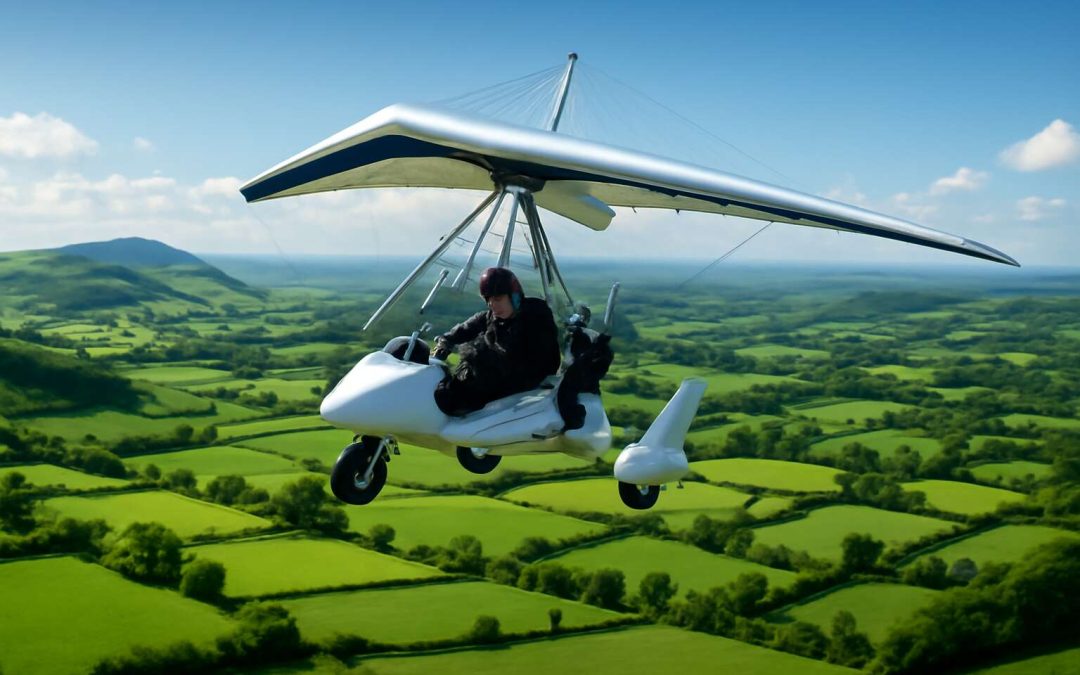
by | Aug 28, 2025 | Blog
Overview of Microlight Aircraft in Ireland
What Are Microlight Aircraft?
In Ireland, the appeal of microlight aircraft has grown exponentially over recent years, offering a unique blend of affordability and freedom in the skies. These compact aircraft are designed for simplicity, making flying accessible to a broader audience, and they play a significant role in Ireland’s vibrant aviation community. With the stunning Irish landscape as a backdrop, flying a microlight aircraft Ireland becomes more than just a hobby; it’s a way to experience the country’s natural beauty from a fresh perspective.
So, what exactly are microlight aircraft? They are small, lightweight planes that typically weigh less than 450 kilograms and are constructed for ease of operation. Unlike traditional aircraft, microlight aircraft Ireland are often used for recreational flying, training, or aerial photography. They are characterized by their minimalistic design, which emphasizes safety and simplicity without sacrificing performance.
- Ease of access for new pilots
- Cost-effective flying experience
- Perfect for sightseeing across Ireland’s scenic terrains
The Popularity of Microlighting in Ireland
In the shadowed skies of Ireland, a quiet revolution stirs—one that beckons the daring and the dreamers alike. The allure of microlight aircraft Ireland has grown into a phenomenon, casting a spell over those yearning to escape the mundane and embrace the wild, open air. These diminutive craft, whispering through the clouds, offer a portal to Ireland’s hidden beauty, revealing landscapes that are otherwise cloaked in mist and mystery.
As the popularity of microlighting surges across Ireland, more pilots are discovering that flying these aircraft is not merely a pastime but an exploration of the soul. The ease of access and affordability transform the skies into a vast canvas, perfect for those seeking the thrill of panoramic vistas. From rugged coastlines to rolling green hills, microlight aircraft Ireland provide an intimate perspective on the country’s natural allure.
- Unparalleled views of Ireland’s scenic terrains
- Accessible flying experiences for newcomers
- Cost-effective adventure in the open air
Legal Regulations and Licensing Requirements
Flying a microlight aircraft in Ireland is a captivating experience, but it’s essential to understand the legal landscape that governs these agile crafts. The Irish aviation authorities have established clear regulations to ensure safety while preserving the freedom to explore the skies. For those eager to take to the air in microlight aircraft Ireland, obtaining the proper licensing is a crucial step in turning dreams into reality.
In Ireland, pilots must hold a valid microlight pilot license, which involves completing a training course approved by the Irish Aviation Authority (IAA). This process ensures pilots are well-versed in handling their aircraft under diverse conditions. The licensing requirements typically include a minimum number of flight hours, ground training, and a thorough understanding of Irish airspace regulations.
Here’s a quick overview of what’s involved:
- Passing a written exam on Irish aviation laws and safety protocols
- Completing practical flight training with certified instructors
- Obtaining medical certification to confirm fitness to fly
These regulations are designed not only to promote safety but also to foster a vibrant community of microlight enthusiasts in Ireland. The freedom of the skies is meticulously balanced with responsible flying, making every adventure in microlight aircraft Ireland a truly exhilarating experience.
Key Features and Specifications of Microlight Aircraft
Types of Microlight Aircraft
Microlight aircraft Ireland captivate with their elegant simplicity and soaring potential. These agile aircraft combine lightweight design with impressive performance, offering pilots a unique blend of thrill and freedom. Key features often include high wings for optimal visibility and stability, making every flight an immersive experience. The specifications vary across models, but most microlight aircraft in Ireland boast an aerodynamic frame, efficient engines, and flexible maneuverability that make them ideal for both novice and seasoned pilots alike.
Among the most sought-after types of microlight aircraft in Ireland are the fixed-wing and weight-shift trikes. Each offers a distinct flying experience, tailored to the pilot’s preferences. For example, fixed-wing microlights typically provide higher speeds and longer ranges, while weight-shift trikes excel in short, nimble flights that feel almost like dancing through the clouds. Here are some notable specifications:
- Maximum takeoff weight: approximately 300-450 kg, depending on the model
- Cruising speed: 70-100 mph, offering a perfect balance of power and grace
- Range: up to 300 miles, allowing for extended adventures across the Irish skies
Each microlight aircraft in Ireland is engineered for safety and ease of operation, yet they maintain an enchanting sense of adventure that beckons every pilot to explore new horizons. The combination of technical prowess and poetic flight makes microlight aircraft Ireland a captivating pursuit for those who yearn for the skies.
Design and Performance Characteristics
In the realm of microlight aircraft Ireland, design and performance are a symphony of engineering finesse and poetic aerodynamics. These aircraft are crafted with an emphasis on lightweight construction, often featuring high wings that serve as both visual delight and functional stability. Their aerodynamic frames, coupled with efficient engines, enable pilots to glide gracefully through Irish skies with remarkable ease. The balance between power and weight yields cruising speeds of 70-100 mph, allowing for exhilarating yet controlled flights.
Key features of microlight aircraft Ireland include flexible maneuverability and ease of operation, making them accessible for both novices and seasoned pilots. Safety remains paramount, yet these aircraft evoke a sense of adventure that stirs the soul. For example, many models boast:
- Maximum takeoff weight ranging from 300 to 450 kg
- Range extending up to 300 miles for long, scenic journeys
- High wings providing exceptional visibility and stability
With their graceful performance characteristics, microlight aircraft Ireland epitomize a harmonious blend of technical prowess and poetic flight, inviting pilots to explore the boundless beauty of Irish skies. Each detail, from aerodynamic design to engine efficiency, whispers the promise of freedom and adventure that defines microlight flying in Ireland.
Safety Features and Standards
Safety in the realm of microlight aircraft Ireland is a testament to meticulous engineering and unwavering standards. These aircraft are designed with advanced safety features that prioritize pilot well-being without compromising on the thrill of flight. From sturdy frame construction to reliable engine systems, every element is scrutinized to ensure optimal performance and security.
One of the most reassuring aspects of microlight aircraft Ireland is their adherence to stringent safety standards, often certified by relevant authorities. These standards include multiple safety redundancies such as ballistic parachute systems, which can be deployed in emergencies, and comprehensive crashworthiness designs. Pilots and enthusiasts alike can take to Irish skies with confidence, knowing that safety is woven into the very fabric of these aircraft.
Typically, microlight aircraft Ireland feature:
- Enhanced structural integrity, with lightweight but durable materials
- High-visibility cockpit design for improved situational awareness
- Automatic safety systems integrated with modern avionics
All these features come together to create a flying experience that’s as secure as it is exhilarating—an elegant dance of safety protocols and aeronautical artistry. The standards governing microlight aircraft Ireland ensure that every adventure begins with peace of mind, allowing pilots to focus on the wonder of Irish skies rather than worry about the what-ifs.
Top Microlight Flight Schools and Training Centers in Ireland
Leading Flight Schools
In Ireland, the allure of microlight aircraft is more than a fleeting fascination—it’s a burgeoning pursuit that captures the essence of freedom and adventure in the skies. The top microlight flight schools and training centers across Ireland serve as gateways into this exhilarating world, offering more than just instruction; they provide a transformative experience grounded in meticulous craftsmanship and a passion for aviation. As the demand for microlight aircraft Ireland grows, these institutions stand out for their commitment to safety, innovation, and personalized mentorship.
Among the most renowned are facilities that boast state-of-the-art simulators, seasoned instructors with extensive flying credentials, and a curriculum that emphasizes both technical mastery and the thrill of flight. Whether you’re a novice eager to take your first airborne steps or an experienced pilot seeking to deepen your expertise, Ireland’s leading flight schools deliver tailored programs that align with international standards while embracing the unique landscape of Irish skies.
For those considering their entry into this captivating domain, the following list highlights some of the premier microlight training centers in Ireland:
- Skybound Microlight Academy
- Emerald Wings Flight School
- Irish Microlight Pilots Training Hub
Each of these centers offers comprehensive courses that interweave theoretical knowledge with practical flying experience, ensuring students not only meet licensing requirements but also cultivate an intuitive connection with their aircraft. It’s this blend of technical rigor and passion that elevates Ireland’s standing in the global microlight aircraft community, making it a prime destination for aspiring pilots eager to explore the skies under the Irish sun.
Training Programs Offered
When it comes to mastering the art of microlight aircraft ireland, top-tier training programs are the secret sauce behind soaring success. These centers don’t just teach you how to fly—they craft seasoned pilots with a keen eye for safety and a passion for adventure. From introductory courses for beginners to advanced flying modules, each program is designed to elevate your skills while immersing you in Ireland’s stunning aerial vistas.
Most reputable microlight flight schools in ireland offer a comprehensive blend of theoretical knowledge and hands-on experience. Students often start with ground school, covering navigation, meteorology, and aircraft mechanics, before taking to the skies for practical training. To add a dash of clarity, here’s what you might expect:
- Initial flight theory and safety procedures
- Hands-on flying hours with experienced instructors
- Navigation and Irish airspace regulations
- Emergency handling and troubleshooting techniques
Ultimately, these training programs aim to produce confident pilots who can enjoy Ireland’s legendary landscapes from the best vantage point—up in the sky, where the horizon is limitless and the possibilities endless. Whether you’re after a quick introduction or a full-fledged pilot license, Ireland’s microlight aircraft training centers provide tailored pathways to turn your sky-high dreams into reality.
Certification and Licensing Process
When it comes to earning your wings in microlight aircraft Ireland, choosing the right flight school is crucial. Top-tier training centers don’t just hand over a pilot’s license—they craft confident aviators ready to take on Ireland’s breathtaking skies. Many of these elite schools are accredited by the Irish Aviation Authority (IAA), ensuring that your certification is recognized far beyond the Emerald Isle.
The certification and licensing process for microlight aircraft Ireland is straightforward but meticulous—think of it as the academic equivalent of a scenic flight around the country. Aspiring pilots typically follow a clear pathway: first, completing ground theory, then logging practical flying hours with seasoned instructors. Once all requirements are met, students typically undergo a skills assessment and, if successful, receive their pilot certificate.
- Complete the necessary training hours (usually around 20-30 hours).
- Pass a written exam covering Irish airspace regulations and safety procedures.
- Undergo a practical flying test with an authorized examiner.
- Obtain the official license, unlocking Ireland’s skies for your adventures.
Whether you’re aiming for a recreational pilot license or just want to enjoy a scenic flight, mastering the certification process in microlight aircraft Ireland is an adventure in itself—one that’s as rewarding as it is exhilarating.
Where to Find Microlight Aircraft for Sale in Ireland
New vs. Used Microlight Aircraft
Whether you’re dreaming of taking to the skies or expanding your aviation collection, finding the perfect microlight aircraft in Ireland can feel like uncovering a hidden treasure. Ireland’s vibrant microlight community offers a variety of options, from sleek, brand-new models to well-loved used aircraft that carry stories of countless adventures. The choice between new and used microlight aircraft Ireland depends on your budget, experience level, and personal preference for customization. New aircraft promise cutting-edge features and the latest safety innovations, while used options often provide a more affordable entry point into the world of microlighting. For those eager to explore the skies without breaking the bank, reputable dealers and classified listings are excellent starting points. Among the most trusted sources are dedicated aviation marketplaces, where a carefully curated selection of quality microlight aircraft in Ireland is available to suit every pilot’s aspirations. Exploring these options opens a door to endless possibilities, whether you seek a pristine new craft or a seasoned aircraft with character and history.
Trusted Dealerships and Sellers
When it comes to finding quality microlight aircraft in Ireland, trusted dealerships and reputable sellers are your best allies. The Irish microlight community is vibrant and discerning, making it essential to seek out sources with a proven track record of integrity and quality. Reputable dealers often showcase a selection of both new and used microlight aircraft in Ireland, giving buyers a broad spectrum of options tailored to various budgets and preferences.
To streamline your search, consider exploring established aviation marketplaces and dealer networks that specialize in microlight aircraft in Ireland. These platforms often feature detailed listings, including aircraft history, specifications, and pricing. For those who prefer a more direct approach, visiting dedicated airfields and attending aviation expos in Ireland can lead to discovering hidden gems and exclusive deals.
Some of the most trusted sources include:
- Official microlight aircraft dealerships in Ireland
- Specialist classified ads on aviation websites
- Certified second-hand aircraft sellers with verified histories
Engaging with these sources ensures a seamless experience, whether you’re hunting for a pristine new model or a seasoned craft loaded with character. The Irish market’s diversity means your ideal microlight aircraft in Ireland is just a conversation away, waiting to elevate your flying adventures to new heights.
Buying Tips and Considerations
In the quest for the perfect microlight aircraft in Ireland, the landscape is dotted with opportunities waiting to be uncovered. The Irish skies are a tapestry of potential, with sellers and dealerships that serve as gateways to your airborne dreams. Whether you seek a pristine, brand-new model or a seasoned craft brimming with character, the key lies in knowing where to look. Trusted sources, such as official microlight aircraft dealerships and reputable classified ads, form the backbone of a seamless acquisition journey.
Exploring established aviation marketplaces—both online and on the ground—can reveal hidden gems that might otherwise go unnoticed. These platforms often feature comprehensive listings, including detailed aircraft histories, specifications, and transparent pricing. For those eager to make a direct connection, visiting Irish airfields or attending aviation expos provides an intimate glimpse into available aircraft, fostering trust and confidence.
- Research the history and maintenance records of potential aircraft.
- Engage with certified second-hand sellers who offer verified aircraft with assured provenance.
- Compare offerings across various dealerships to find a match that aligns with your aspirations and budget.
By navigating these avenues with keen discernment, enthusiasts and pilots alike can find the ideal microlight aircraft in Ireland—an aircraft that promises more than just transportation, but a soaring symphony of freedom and adventure amidst Ireland’s rolling green hills and rugged coastlines.
Microlight Aircraft Clubs and Communities in Ireland
Joining Local Microlight Clubs
For those captivated by the allure of flight, joining a microlight aircraft club in Ireland offers more than just access to aircraft; it’s an invitation into a thriving community of passionate aviators. These clubs serve as sanctuaries where shared enthusiasm transforms into lifelong camaraderie, fostering a deeper understanding of microlight aircraft Ireland and its unique flying experience. The collective spirit breathes life into the skies, turning individual flights into communal adventures that resonate long after the engine powers down.
Membership in local clubs opens doors to invaluable insights, mentorship, and the chance to hone your skills under the guidance of seasoned pilots. Many clubs organize regular events, flying days, and training sessions designed to nurture both beginners and experienced enthusiasts. Embracing this community not only enhances your flying proficiency but also immerses you in the rich tapestry of Irish microlighting culture. Whether you’re a curious novice or a seasoned pilot, these clubs are the heartbeat of microlight aircraft Ireland, where your passion for flight finds its true home.
Events, Races, and Gatherings
In Ireland, the vibrant communities surrounding microlight aircraft Ireland are more than just enthusiasts—they are custodians of an extraordinary aviation culture. These clubs and gatherings serve as hubs where stories are exchanged, skills are sharpened, and friendships are forged amidst the thrill of flight. The camaraderie is palpable during events that celebrate the spirit of microlighting, transforming the skies into a tapestry of shared passion and adventure.
Annual events and competitions often feature exhilarating races and aerial displays, drawing crowds from across the country. These gatherings aren’t merely spectacles—they’re opportunities for pilots to showcase their prowess and for newcomers to immerse themselves in Ireland’s rich microlight heritage. From informal fly-ins to large-scale festivals, the sense of community is what truly elevates the experience of microlight aircraft Ireland.
- Local clubs often organize weekend flying days, where members can test new aircraft, hone their skills, or simply enjoy the Irish skies together.
- Specialized events like cross-country races challenge pilots and foster a competitive yet friendly atmosphere.
- Gatherings also include workshops and seminars aimed at enhancing safety standards and sharing technological innovations.
For those captivated by the allure of microlight aircraft Ireland, engaging in these communities opens a window into a world where passion and precision meet. It’s in these moments—underneath the vast Irish sky—that the true essence of microlighting reveals itself, blending adventure with camaraderie in an unbreakable flight of community spirit.
Networking and Support for Enthusiasts
Microlight aircraft Ireland has cultivated a vibrant network of clubs and communities, serving as a vital backbone for enthusiasts seeking camaraderie and shared passion. These groups are more than just gathering spots; they are repositories of knowledge, innovation, and friendship. Whether newcomers or seasoned pilots, members find support and inspiration through regular meetups, workshops, and flying days that foster a sense of belonging amidst the Irish skies.
Networking within these communities often leads to new friendships, collaborative flying adventures, and even mentorship opportunities. Many clubs host events that showcase the latest advancements in microlight aircraft Ireland, creating spaces where ideas and experiences are exchanged freely. The collective enthusiasm fuels innovation and safety, driving the community forward while preserving the unique spirit of Irish microlighting.
- Regular flying days for test flights and skill honing
- Cross-country races that challenge and unite pilots
- Workshops focused on safety, maintenance, and technological innovations
For those passionate about microlight aircraft Ireland, joining these communities is an invitation into a world where adventure and support intertwine. Here, every flight becomes a chapter in an ongoing story of discovery, craftsmanship, and shared skies.
Popular Destinations for Microlight Flying in Ireland
Scenic Routes and Flying Islands
Exploring Ireland from a microlight aircraft offers an unparalleled perspective on its breathtaking landscapes. The shimmering coastline, rolling green hills, and historic castles unfold like a living postcard beneath you. Popular destinations for microlight flying in Ireland include the rugged Cliffs of Moher, where the sheer cliffs plunge dramatically into the Atlantic, and the serene lakes of Killarney, which mirror the sky in perfect clarity.
For those craving a more adventurous route, scenic flights over the Wild Atlantic Way reveal hidden coves and rugged terrain inaccessible by land. Flying islands such as the Aran Islands also becomes a magical journey when experienced from the cockpit of a microlight aircraft Ireland. These islands, with their ancient ruins and vibrant culture, are best appreciated from above, where the landscape seems to whisper stories of centuries past.
- The Connemara region, with its wild, windswept beauty and rugged coastlines
- The lush, verdant valleys of the Wicklow Mountains
- The historic cityscapes of Dublin and Cork from an aerial vantage point
Each route promises an unforgettable adventure, blending Ireland’s scenic grandeur with the thrill of microlight flying. Whether skimming over coastal cliffs or drifting above idyllic islands, flying in a microlight aircraft Ireland opens a portal to the country’s most treasured vistas, captivating every enthusiast’s spirit of exploration.
Must-Visit Airstrips and Airfields
For aviation enthusiasts seeking the ultimate aerial adventure, Ireland offers an array of popular destinations that showcase its stunning landscapes from a microlight aircraft Ireland. The country’s diverse scenery—from rugged coastlines to lush valleys—becomes a living canvas as you soar above. Among the most sought-after spots are the iconic Cliffs of Moher, where the sheer drop into the Atlantic promises a breathtaking view, and the tranquil lakes of Killarney, reflecting the vibrant sky like a mirror. Each destination provides a unique perspective that elevates the flying experience to something truly unforgettable.
To access these awe-inspiring sights, choosing the right airstrip or airfield is essential. Ireland boasts a network of well-equipped facilities that cater to microlight pilots, each offering vital services and scenic launching points. Notable airstrips such as Connemara Airport and West Cork Airport serve as gateways to Ireland’s wild west coast and hidden coves. These airfields are often nestled in scenic rural settings, allowing pilots to take off directly into Ireland’s natural grandeur. For those eager to explore further, the following airstrips are must-visits:
- Connemara Regional Airport
- West Cork Airport
- Cork Airport (smaller microlight-friendly zones)
- Dublin Airport (with dedicated microlight facilities)
Each of these airstrips offers a strategic launch point for discovering Ireland’s most treasured vistas, from the rugged Connemara coast to the lush Wicklow mountains. Flying in a microlight aircraft Ireland transforms the landscape into a dynamic, living storybook—one that beckons explorers to uncover its hidden gems from above.
Photographic and Sightseeing Opportunities
For those with an eye for the extraordinary, Ireland’s skies unveil a tapestry of photographic and sightseeing opportunities that seem plucked from a dream. Flying in a microlight aircraft Ireland offers a vantage point unlike any other—where the rolling green hills, rugged coastlines, and historic landmarks come alive beneath your wings. Each flight becomes a living canvas, inviting you to capture breathtaking vistas that are truly picture-perfect.
Among the most enchanting destinations are the Cliffs of Moher, where the sheer vertical drop into the Atlantic creates a jaw-dropping spectacle. From above, the shimmering lakes of Killarney reflect the shifting skies, creating mirror-like scenes that seem to breathe with the wind. Exploring these sights in a microlight aircraft Ireland reveals secrets hidden from the ground, offering an intimate connection with Ireland’s natural beauty.
To elevate your aerial adventure, consider flying over the picturesque Ring of Kerry or the serene shores of Lough Neagh. The freedom of microlight flying makes discovering hidden coves and secret beaches effortless. For photographers and sightseers alike, these routes provide an abundance of stunning compositions—each turn revealing a new marvel. Whether soaring along the Wild Atlantic Way or drifting through Ireland’s lush valleys, the experience remains profoundly captivating, transforming the landscape into a living storybook that beckons exploration.
Advantages of Flying Microlights in Ireland
Cost-Effectiveness and Accessibility
Flying microlight aircraft in Ireland offers a remarkable combination of cost-effectiveness and accessibility. For enthusiasts and beginners alike, microlighting presents a budget-friendly way to take to the skies without the high costs associated with traditional aircraft. In Ireland, the affordability of microlight aircraft makes it possible for more people to experience the thrill of flight, often at a fraction of the price of larger aircraft.
Moreover, the ease of access to microlight aircraft ireland is a significant advantage. Many airfields and flight schools are strategically located across the country, making it convenient for newcomers to start their flying journey. The streamlined licensing process for microlight aircraft allows pilots to get airborne quickly, fostering a vibrant community of Irish aerial enthusiasts.
- Lower maintenance costs due to simpler design
- Flexible flying hours and locations
- Minimal training requirements for entry-level pilots
All these factors combine to make microlight aircraft ireland an attractive option for those seeking an affordable and accessible way to enjoy the freedom of flight. Whether for leisure, sightseeing, or developing new skills, microlighting in Ireland opens a world of possibilities without breaking the bank.
Flexibility and Ease of Flying
One of the most compelling advantages of flying microlights in Ireland is their remarkable flexibility and ease of operation. The forgiving nature of microlight aircraft makes them perfect for those new to aviation, while still offering seasoned pilots an exhilarating experience. With a minimal learning curve, pilots can often take to the skies after just a few hours of instruction, a stark contrast to the lengthy process required for traditional aircraft licenses.
Irish various airfields and scenic routes further enhance this accessibility. Whether you’re seeking spontaneous weekend adventures or structured sightseeing tours, microlight aircraft Ireland provide a seamless way to explore Ireland’s lush landscapes and rugged coastlines. For those craving a blend of spontaneity and simplicity, flying microlights in Ireland offers an unrivaled combination of ease and adventure. The freedom to hop from one charming airfield to another, combined with the ability to indulge in impromptu flights, truly sets microlight flying apart in the Irish aviation scene.
In essence, the flexibility and ease of flying microlights in Ireland make it a captivating pursuit for enthusiasts and casual flyers alike, transforming the dream of flight into an accessible reality. Whether for leisure or sightseeing, this mode of aviation provides an intimate and spontaneous way to enjoy Ireland’s breathtaking scenery. It’s no wonder that more and more Irish aviation lovers are embracing microlight aircraft Ireland as their preferred mode of flight.
Unique Perspective of Irish Landscapes
Flying microlight aircraft Ireland offers a vantage point unlike any other—an intimate perspective of Ireland’s rugged coastlines, emerald fields, and ancient landscapes. The sensation of soaring through the sky, so close to the earth’s vibrant tapestry, creates a profound connection to the land that larger aircraft simply cannot replicate. Each flight becomes a poetic journey, revealing hidden corners and breathtaking vistas that are often missed from the ground.
Irish scenery, with its ever-changing vistas, is perfectly suited to the freedom of microlight flying. From the rugged cliffs of Moher to the serene lakes of Connemara, every route becomes a personal adventure. The unique perspective gained from microlight aircraft Ireland transforms sightseeing into an immersive experience—where the horizon is your canvas and the sky your playground.
- Unmatched scenic beauty
- Close-up views of iconic landmarks
- Flexibility to explore lesser-known areas
This bird’s-eye view not only elevates the thrill of flying but also deepens appreciation for Ireland’s natural splendor, making microlight aircraft Ireland a truly captivating way to discover the island’s rich landscape.
Future Trends in Ireland’s Microlight Aircraft Industry
Emerging Technologies and Innovations
As Ireland’s skies shimmer with the promise of innovation, the future of microlight aircraft Ireland is poised to transform from mere recreation into a symphony of technological marvels. Emerging technologies are weaving new threads into the fabric of microlight aircraft design, propelling the industry toward unprecedented heights. Electric propulsion systems, heralded for their quiet efficiency and eco-friendly footprint, are gradually replacing traditional engines, promising a cleaner, more sustainable Irish airspace.
In tandem, advances in lightweight composite materials are revolutionizing aerodynamics and durability, enabling pilots to soar farther and faster with enhanced safety standards. The integration of GPS-guided navigation and augmented reality heads-up displays blurs the line between the pilot’s intuition and digital precision, creating an immersive flying experience. Ireland’s vibrant community of enthusiasts eagerly anticipates these innovations, as they open doors to new scenic routes and aerial exploration.
Particularly exciting are developments in autonomous safety features and real-time data analytics, which promise not only to elevate the thrill of flight but to redefine safety standards across the industry. As the horizon expands, the future of microlight aircraft Ireland gleams brighter, inviting passionate aviators to embrace the cutting edge of aviation technology.
Environmental Concerns and Eco-Friendly Aircraft
The future of microlight aircraft Ireland is increasingly intertwined with environmental sustainability. As concerns over carbon footprints grow, the industry is pivoting toward eco-friendly aircraft that reduce emissions and minimize noise pollution. Electric propulsion systems are leading the charge, offering cleaner alternatives to traditional engines and making Irish skies more environmentally conscious.
Innovations in lightweight composite materials are also pivotal. They enhance aerodynamics and durability, allowing pilots to enjoy longer, more efficient flights while adhering to stricter environmental standards. These advancements are transforming microlight aircraft Ireland into greener, more sustainable options for adventure and exploration.
Moreover, the industry is exploring the integration of renewable energy sources and biofuels, aiming for a net-zero impact. As a result, enthusiasts can expect a shift toward aircraft that not only deliver exhilarating flight experiences but do so with a smaller ecological footprint. It’s an exciting time for Ireland’s microlight community—flying sustainable and preserving the beauty of Irish landscapes for generations to come.
Government Initiatives and Support
As Ireland’s skyward ambitions take flight, government initiatives are increasingly supporting the evolution of microlight aircraft Ireland. Recognizing the sector’s potential to boost tourism, promote local manufacturing, and foster innovation, policymakers are introducing grants and incentives tailored to this niche industry. These measures not only bolster the technological advancements in microlight aircraft Ireland but also ensure safety standards keep pace with global trends.
Furthermore, strategic collaborations between industry stakeholders and government bodies are paving the way for sustainable growth. For example, pilot training subsidies and research grants are encouraging new enthusiasts and entrepreneurs alike. This synergy promises a future where Irish skies are dotted with eco-friendly, cutting-edge microlight aircraft—making Ireland a notable hub for light aircraft innovation.
In addition, regulatory bodies are streamlining certification procedures, reducing bureaucratic hurdles while maintaining rigorous safety standards. Such progressive support fosters a vibrant community of microlight aviators and enthusiasts in Ireland. Ultimately, government backing is crucial in propelling the industry toward a future where sustainable, technologically advanced microlight aircraft Ireland will become a symbol of both national pride and forward-thinking aviation.
by | Aug 26, 2025 | Blog
Overview of the Microlight Saw by Renegade Outdoor
Introduction to the Microlight Saw
When it comes to lightweight, reliable cutting tools that can handle the rigors of outdoor life, the microlight saw by Renegade Outdoor stands out as a true game-changer. Designed with the rugged South African wilderness in mind, this compact saw offers a perfect blend of portability and power. Its innovative design allows for effortless handling, making it an essential tool for bushcraft enthusiasts and survivalists alike.
The microlight saw by Renegade Outdoor is crafted with high-quality materials, ensuring durability even in the most demanding conditions. Whether you’re gathering firewood or clearing a path through dense bush, this saw performs with precision and ease. Its razor-sharp teeth cut through wood swiftly, saving time and energy in the toughest outdoor scenarios.
- Compact design for easy transport
- Robust construction for longevity
- Efficient cutting for quick results
With a focus on practicality and performance, the microlight saw by Renegade Outdoor embodies the spirit of adventure. It’s more than just a tool; it’s a trusted companion in the wild, empowering you to face nature’s challenges head-on. Whether for camping, hunting, or survival training, this saw is a must-have for every outdoor enthusiast in South Africa.
Key Features and Benefits
In the realm of outdoor survival, the microlight saw by Renegade Outdoor emerges as a marvel of engineering and craftsmanship, transforming seemingly simple tools into gateways of adventure. Designed with the rugged landscapes of South Africa in mind, this compact saw embodies agility and resilience, making it an indispensable asset for bushcraft enthusiasts and survivalists alike.
One of the most compelling features of the microlight saw by Renegade Outdoor is its razor-sharp teeth, crafted for swift, clean cuts through dense timber and branches. This efficiency not only conserves vital energy but also accelerates tasks that could otherwise drain even the most seasoned adventurer. Its lightweight structure, combined with a sturdy build, ensures it stands up to the harshest environmental conditions.
Key features include:
- Ultra-portable design, easily fitting into any backpack or belt pouch
- Durable materials that resist corrosion and wear
- Precision-cut teeth for seamless, rapid sawing
With these attributes, the microlight saw by Renegade Outdoor becomes more than just a tool; it’s a trusted companion in the wilderness. Its balance of strength and portability grants the user the confidence to face any challenge, whether gathering firewood or clearing a trail. This remarkable saw exemplifies the spirit of adventure, offering a blend of performance and practicality that resonates deeply with South Africa’s outdoor community.
Design and Build Quality
The design and build quality of the microlight saw by Renegade Outdoor exemplify precision engineering that balances durability with portability. Crafted for the rugged demands of South Africa’s wilderness, this saw isn’t just a tool—it’s a testament to thoughtful craftsmanship. Its frame is constructed from high-strength, corrosion-resistant materials that withstand the relentless assault of nature’s elements, ensuring longevity even in the most extreme conditions.
The razor-sharp, precision-cut teeth of the microlight saw by Renegade Outdoor glide effortlessly through dense timber, transforming what could be a laborious task into a swift, almost effortless motion. The saw’s ergonomic design provides a comfortable grip, offering control that feels almost supernatural in its responsiveness. Every detail, from the lightweight frame to the reinforced joints, has been meticulously engineered to optimize performance without sacrificing portability.
- Compact size that slips easily into any backpack or belt pouch
- Robust construction that resists corrosion and wear
- Precision-cut teeth for rapid, clean cuts
In the heart of South Africa’s wilderness, the microlight saw by Renegade Outdoor stands out as a beacon of resilience and ingenuity. Its build quality doesn’t just promise reliability—it delivers it, making it a trusted companion for bushcraft enthusiasts and survivalists eager to conquer the wild with confidence.
Technical Specifications and Performance
Blade Materials and Sizes
When it comes to the microlight saw by Renegade Outdoor, understanding its technical specifications is essential for anyone serious about efficient outdoor work. Crafted with precision, this saw features a lightweight yet durable frame that offers unmatched maneuverability in tight spaces. Its performance hinges on the quality of its blade materials, which are designed to withstand the rigors of outdoor cutting tasks without compromising on sharpness or longevity. The blades are available in various sizes, tailored to different cutting needs, from delicate pruning to more demanding tasks like firewood preparation.
For those seeking versatility, the microlight saw by Renegade Outdoor offers blades made from high-carbon steel and stainless steel. These materials ensure resistance to rust and maintain their cutting edge even after frequent use. Sizes typically range from 150mm to 300mm, allowing users to select the perfect blade for their specific application. Whether you need a compact option for quick snips or a longer blade for larger branches, this saw adapts seamlessly to your outdoor lifestyle.
Cutting Capabilities
Precision and power converge in the technical specifications of the microlight saw by Renegade Outdoor, transforming the humble saw into an instrument of mastery. Its lightweight frame, forged from high-strength materials, ensures effortless maneuverability, even in the most constricted spaces—where every inch counts. The performance of this tool hinges on the blade’s design, meticulously crafted to deliver razor-sharp cuts with minimal effort. Designed for outdoor enthusiasts who demand reliability, the microlight saw by Renegade Outdoor boasts a cutting capacity that rivals heavier, bulkier counterparts.
When it comes to cutting capabilities, this saw excels across a spectrum of tasks—be it pruning delicate branches or hacking through thick firewood. Its blades are engineered with durability in mind, resisting rust and maintaining sharpness through the harshest conditions. For versatility, the microlight saw by Renegade Outdoor offers options in blade sizes, ranging from 150mm for quick, precise snips to 300mm for more demanding jobs. This adaptability ensures that whether you’re navigating tight forested corridors or preparing fuel for a campfire, your tool remains a trusted companion.
Weight and Portability
The technical specifications of the microlight saw by Renegade Outdoor set it apart from traditional tools. Weighing just under 1.2 kilograms, this saw offers a perfect balance between lightweight design and robust performance. Its high-strength aluminum frame ensures durability without adding unnecessary bulk, making it ideal for outdoor adventures where every gram counts. The blade size options, from 150mm to 300mm, provide flexibility for a variety of tasks, whether pruning or chopping firewood.
Performance-wise, the microlight saw by Renegade Outdoor excels in efficiency and ease of use. Its razor-sharp blades deliver clean, precise cuts with minimal effort, even in tough conditions. The lightweight build allows for swift, controlled movements in tight spaces, giving outdoor enthusiasts an edge in the field. Portability is a key feature—this saw easily fits into a backpack or tool kit, ready for action when needed. Its compact size and low weight make it the perfect companion for those demanding outdoor environments.
- High-strength aluminum frame for durability
- Blade options from 150mm to 300mm for versatility
- Lightweight at under 1.2kg for effortless handling
- Corrosion-resistant blades for harsh conditions
In summary, the microlight saw by Renegade Outdoor combines advanced technical specifications with superior portability. It’s designed for outdoor enthusiasts who refuse to compromise on performance or ease of transport, making it a reliable tool for every adventure in South Africa’s rugged landscapes.
Durability and Longevity
At the heart of the microlight saw by Renegade Outdoor lies a meticulous confluence of technical prowess and rugged resilience. Crafted from high-strength aluminum, its frame not only ensures longevity but also champions the lightweight ethos that defines modern outdoor gear. With blade sizes ranging from 150mm to 300mm, this tool offers unparalleled versatility, adapting seamlessly to tasks from delicate pruning to robust firewood chopping. The corrosion-resistant blades are engineered to withstand South Africa’s diverse climatic conditions, standing firm against rust and wear even after prolonged exposure to moisture and dirt.
The performance of the microlight saw by Renegade Outdoor is a testament to thoughtful design. Razor-sharp blades cut with surgical precision, reducing fatigue and increasing efficiency in the field. Its lightweight construction enables swift, controlled movements, which are especially valuable in tight spaces or when working under time pressure. The durability of this saw is no accident; it is built to endure the rigours of demanding outdoor environments, promising years of reliable service. For enthusiasts who value both performance and longevity, this tool embodies a perfect blend of technical excellence and enduring quality.
Advantages of the Microlight Saw for Outdoor Enthusiasts
Ease of Use and Handling
One of the standout advantages of the microlight saw by Renegade Outdoor is its remarkable ease of use. Designed with outdoor enthusiasts in mind, this compact tool offers intuitive handling that minimizes fatigue during prolonged use. Its lightweight construction means you can maneuver it effortlessly, even in challenging terrain or tight spaces. Whether you’re trimming branches or crafting makeshift shelter supports, the microlight saw by Renegade Outdoor delivers precise control that instills confidence with every cut.
Furthermore, the ergonomic design ensures a comfortable grip, reducing strain on your hands and wrists. This seamless handling transforms what could be a strenuous task into a straightforward, almost enjoyable experience. Plus, its quick blade deployment mechanism allows for rapid setup, so you spend less time fiddling and more time focused on your adventure. For anyone seeking a reliable, portable cutting tool, the microlight saw by Renegade Outdoor blends practicality and comfort, making it an essential addition to any outdoor gear collection.
Versatility in Outdoor Activities
For those who believe that every outdoor adventure should include a dash of practicality with a sprinkle of ingenuity, the microlight saw by Renegade Outdoor is an absolute game-changer. Imagine a tool so versatile that it effortlessly transitions from trimming a stubborn branch to crafting the perfect makeshift shelter—without making your arms feel like they’ve run a marathon. Its compact form belies a surprising capacity to handle a variety of outdoor tasks, making it a must-have for South African explorers navigating everything from dense bushveld to rugged mountain terrains.
What sets the microlight saw by Renegade Outdoor apart is its remarkable adaptability. Whether you’re camping in the Karoo or bushwhacking through the Drakensberg, this saw proves its mettle time and again. Here’s a quick look at its versatility:
- Effortless pruning of branches to keep your campsite tidy
- Crafting sturdy stakes and supports for shelters or traps
- Preparing firewood with minimal fuss and maximum precision
Its lightweight, portable design means you’re not weighed down by bulky gear, and its quick deployment mechanism ensures that you spend less time fiddling and more time enjoying your outdoor escapade. The microlight saw by Renegade Outdoor seamlessly integrates into any outdoor enthusiast’s kit, delivering the kind of versatility that turns a simple outing into an adventure packed with possibility.
Compact Design for Travel
The advantage of the microlight saw by Renegade Outdoor lies in its compact design, tailored for explorers who refuse to be weighed down by bulky tools. Its streamlined form ensures it fits comfortably into any backpack, making it an indispensable companion for South African adventures. Whether trekking through the bushveld or navigating rugged mountain trails, this saw offers effortless portability without sacrificing performance.
Traveling light doesn’t mean sacrificing versatility. The microlight saw by Renegade Outdoor is engineered for quick deployment, allowing you to adapt swiftly to changing needs in the wild. Its small size conceals a robust cutting capacity, capable of handling tasks from pruning branches to preparing firewood. This makes it an essential tool for outdoor enthusiasts who seek efficiency and reliability in every moment of their journey.
With its innovative design, the microlight saw by Renegade Outdoor emphasizes ease of use and rapid assembly. Its lightweight build and compact form make it ideal for those who prioritize mobility. Whether you’re setting up camp in the Karoo or forging a path through the Drakensberg, this saw’s portable design is a game-changer that keeps you ready for anything. The perfect blend of size, strength, and convenience—an outdoor tool that truly delivers on every adventure.
Efficiency in Emergency Situations
In the wild tapestry of South Africa’s rugged landscapes, unpredictable moments demand swift, decisive action. The microlight saw by Renegade Outdoor emerges as a silent guardian in times of need, transforming from a compact marvel into a vital tool when every second counts. Its agility and ease of deployment make it an invaluable asset for outdoor enthusiasts navigating the untamed wilderness, especially during emergency situations.
Faced with unforeseen obstacles, a quick response can mean the difference between safety and peril. The microlight saw by Renegade Outdoor is designed to be rapidly accessible—ready to cut through tangled branches or fallen debris in moments. Its robust blade and engineered precision allow for swift, clean cuts, ensuring you can clear a path or create shelter without delay.
- Immediate access to a reliable cutting tool in critical moments.
- Lightweight construction that doesn’t hamper mobility during emergencies.
- Versatile enough to handle various tasks—be it clearing a route or gathering firewood.
In the unpredictable realm of outdoor adventures, the microlight saw by Renegade Outdoor offers an unmatched combination of speed, strength, and portability. It’s not just a saw—it’s an extension of your instinct to survive and thrive amidst nature’s surprises. Every adventurer understands that preparedness is the key; this tool ensures you’re equipped to face any challenge head-on, turning potential setbacks into mere footnotes in your journey’s story.
Comparison with Other Portable Saws in the Market
Performance and Value
When comparing the microlight saw by Renegade Outdoor to other portable saws on the market, one thing becomes clear: performance and value are unmatched. While many compact saws offer portability, they often fall short in durability or cutting efficiency. The microlight saw by Renegade Outdoor, however, strikes a remarkable balance—delivering reliable power in a lightweight package that feels nearly effortless to handle.
Unlike some competitors that compromise on blade quality or versatility, this saw features high-grade materials designed to endure rugged outdoor conditions. Its performance in cutting through dense wood or emergency branches outshines many traditional pocket saws, making it a trusted companion for survivalists, hikers, or rural dwellers. For those seeking true value, the microlight saw by Renegade Outdoor offers an exceptional blend of durability, portability, and cutting precision—an investment that truly pays off in the long run.
Price Point and Affordability
When comparing the microlight saw by Renegade Outdoor to other portable saws available in South Africa, the price point is often the first factor that catches the eye. Many budget-friendly options flood the market, but they frequently fall short in delivering the durability or cutting power needed for serious outdoor adventures. The microlight saw by Renegade Outdoor, however, strikes a compelling balance between affordability and high performance, making it an attractive choice for outdoor enthusiasts who refuse to compromise.
While some compact saws are priced lower, they tend to sacrifice blade quality or versatility. In contrast, the microlight saw by Renegade Outdoor is designed with high-grade materials that withstand rugged outdoor conditions, ensuring long-term value. Its price point reflects an investment in reliability, making it a smart choice for hikers, survivalists, or rural dwellers across South Africa. For those seeking a portable saw that offers both affordability and exceptional cutting capabilities, this saw stands out as a true contender.
In essence, the microlight saw by Renegade Outdoor is not just about cost; it’s about getting the best bang for your buck. Its combination of lightweight design, durability, and affordability makes it one of the most compelling options on the market—delivering professional-grade performance without breaking the bank. Whether you’re navigating the Karoo or bushveld, this saw offers unmatched value, proving that quality and price can indeed walk hand in hand.
Unique Selling Points of the Renegade Outdoor Microlight Saw
When standing amidst South Africa’s rugged wilderness, the choice of a portable saw can feel like selecting a trusted companion for the journey ahead. Unlike many generic options, the microlight saw by Renegade Outdoor offers a finely tuned balance of agility and strength that sets it apart in a crowded market. While other portable saws might boast a lower price, they often falter in durability or versatility, leaving outdoor enthusiasts wanting more.
The unique selling points of the microlight saw by Renegade Outdoor lie in its craftsmanship and thoughtful design. It’s crafted with high-grade materials that resist the harshest elements, ensuring longevity even in the unforgiving bushveld or coastal thickets. Its compact, lightweight profile makes it remarkably portable, yet it doesn’t compromise on cutting power. Unlike many competing models, this saw features a blade that maintains its sharpness longer, delivering cleaner cuts with less effort—ideal for survivalists or hikers in remote terrains.
What truly distinguishes the microlight saw by Renegade Outdoor is its adaptability. Whether for quick campsite repairs, firewood collection, or emergency bushcraft, it remains a reliable tool that performs effortlessly across diverse outdoor activities. Its ergonomic handle and balanced weight distribution make handling intuitive, turning what could be a cumbersome task into a smooth, almost instinctive motion. This tool isn’t just about cutting; it’s about empowering explorers to embrace the wilderness with confidence and ease.
User Reviews and Testimonials
Customer Satisfaction and Feedback
Customer reviews often reveal the true heartbeat of a product, and the microlight saw by Renegade Outdoor has certainly captured attention across South Africa’s rugged outdoor community. Enthusiasts praise its remarkable balance of power and portability, making it a trusted companion in remote wilderness adventures. One user remarked, “The microlight saw by Renegade Outdoor transformed my camping experience—lightweight yet surprisingly robust!” Such testimonials highlight the satisfaction of those who rely on this tool for precise, efficient cuts without the bulk of traditional saws.
Feedback consistently underscores its durability and ease of handling, with many customers appreciating the innovative design that allows for quick assembly and seamless operation. In fact, a growing number of outdoor explorers recommend the microlight saw by Renegade Outdoor for both everyday use and emergency situations. Here are some standout features frequently mentioned:
- Exceptional portability for travel and backpacking
- Reliable performance in challenging conditions
- Long-lasting blade quality that withstands frequent use
With an increasing influx of positive customer feedback, the microlight saw by Renegade Outdoor continues to build a reputation as a must-have tool, blending innovation with practicality in every cut. Satisfaction ratings soar, and many users express unwavering confidence in its performance—making it a staple of South African outdoor gear collections.
Real-World Usage Scenarios
Few outdoor tools evoke such a sense of reliability and adventure as the microlight saw by Renegade Outdoor. Enthusiasts across South Africa’s rugged terrains share stories of how this compact marvel has become an indispensable part of their wilderness escapades. One seasoned hiker noted, “The microlight saw by Renegade Outdoor proved its worth after a sudden storm—its quick, clean cuts helped me build a sturdy shelter in record time!”
In real-world scenarios, users praise its performance during remote camping trips, emergency repairs, or even crafting makeshift furniture from fallen branches. The versatility of the microlight saw by Renegade Outdoor shines brightest in these moments, offering a seamless blend of strength and agility. Many testimonials highlight its reliability in challenging conditions, where bulky tools fall short and quick, precise cuts are paramount. Whether traversing the Karoo or the Drakensberg, outdoor explorers find that this tool’s lightweight design doesn’t compromise its cutting power, making it a trusted companion for every adventure.
Ratings and Recognition
Feedback from outdoor enthusiasts across South Africa underscores the microlight saw by Renegade Outdoor as a game-changer in wilderness survival and adventure. Many users describe it as an extension of their own resilience—compact yet formidable—delivering consistent performance where bulkier tools falter. Testimonials often highlight the seamless experience of quick, precise cuts, especially in emergency situations where time and reliability are paramount.
Ratings from seasoned explorers repeatedly laud the microlight saw by Renegade Outdoor for its durability and ease of handling, even after prolonged use in rugged terrain. One hiker remarked, “This little tool has earned its place on every trip. Its lightweight design means I can carry it effortlessly, yet it never compromises on cutting power.” Such praise is echoed in online reviews, where adventurers emphasize its role in building shelters or crafting makeshift furniture from fallen branches.
Recognition within the outdoor community further cements the microlight saw by Renegade Outdoor’s reputation. It has garnered awards for innovation in compact wilderness tools and remains a staple in the gear collections of South African outdoor explorers. Its blend of strength, portability, and reliability continues to inspire confidence among those seeking adventure beyond the beaten path.
Buying Guide: What to Look for in a Portable Saw
Key Features to Consider
When choosing the perfect portable saw, especially the renowned microlight saw by Renegade Outdoor, discerning buyers should focus on a handful of critical features that elevate a good tool to an indispensable companion in the wild. After all, a saw’s primary purpose is to deliver precision and efficiency, whether you’re building a shelter or gathering firewood in the South African veld. The question isn’t just about size—it’s about how seamlessly it integrates into your outdoor adventures.
One of the most telling attributes of the microlight saw by Renegade Outdoor is its blade design. Look for blades that balance durability with ease of sharpening, ensuring longevity against the rugged terrain. Additionally, consider the weight—an ultralight tool makes a world of difference when trekking long distances. Durability isn’t merely a bonus; it’s a necessity, especially when the environment tests your equipment’s resilience. The best portable saws also feature ergonomic handles that provide comfort during extended use, transforming what could be a chore into a satisfying ritual.
To streamline your decision, here’s a quick rundown of what to prioritize:
- Blade material and size for optimal cutting power
- Lightweight yet sturdy construction for portability
- Ease of handling with ergonomic design
- Corrosion resistance for longevity in varied climates
Ultimately, the microlight saw by Renegade Outdoor excels in these areas, making it a top contender for outdoor enthusiasts who demand both finesse and robustness. Choosing wisely ensures that every slice, chop, and cut is performed with confidence—no matter where your journey takes you in South Africa’s diverse landscapes.
Material Quality and Safety
When selecting a portable saw, material quality and safety are paramount—especially when the goal is to endure the unpredictable South African wilderness. The microlight saw by Renegade Outdoor exemplifies precision craftsmanship with blades made from high-grade steel, ensuring resilience against tough terrain. This combination of durability and sharpness means you can trust every cut, whether you’re felling firewood or constructing shelter in the veld.
Safety isn’t just about avoiding injury; it’s about confidence in your equipment. The microlight saw by Renegade Outdoor features a robust yet lightweight frame, reducing fatigue without sacrificing strength. Its ergonomic handle design enhances grip, minimizing slips during intense moments, and the corrosion-resistant coating safeguards against humidity and environmental exposure, extending its lifespan in South Africa’s diverse climates.
- Look for blades with high-quality steel for consistent, clean cuts
- Prioritize lightweight construction for effortless portability
- Ensure handles are ergonomic and non-slip for safety and comfort
Choosing a saw that balances these elements ensures that every slice is safe, precise, and reliable—hallmarks of the microlight saw by Renegade Outdoor. In the wild, safety and quality are not just features; they are essentials that elevate your outdoor experience from mere survival to mastery.
Price and Warranty
In the shadowed wilderness of South Africa, where every cut could spell survival or peril, the price of a microlight saw by Renegade Outdoor becomes a silent testament to your resilience. When seeking a portable saw, consider the delicate balance between price and durability—an investment that must withstand the relentless trials of nature’s unpredictable temperament. A tool that offers exceptional performance without draining your resources is paramount for those who traverse the veld with purpose.
Warranty, often overlooked, is the unseen guardian of your purchase. A comprehensive warranty on the microlight saw by Renegade Outdoor not only assures quality but also provides peace of mind amidst the chaos of outdoor endeavors. Look for brands that stand behind their craftsmanship, providing reassurance that your tool will endure through countless adventures. In this realm, a solid warranty transforms a simple purchase into a long-term alliance with your equipment, ensuring reliability when every second counts.
To navigate this labyrinth of options, some choose to follow a structured approach—considering price, warranty coverage, and the reputation of the manufacturer. An ordered list can clarify the decision-making process:
- Assess the price point to ensure it aligns with your budget and intended use.
- Verify the warranty details—coverage duration and what it encompasses.
- Research customer feedback and expert reviews to gauge real-world performance.
In the end, the pursuit of the perfect portable saw is a dance of discernment—balancing cost, protection, and trust. The microlight saw by Renegade Outdoor emerges as a beacon for those who refuse to compromise, blending affordability with unwavering reliability in the face of South Africa’s wild, untamed landscapes.
Where to Purchase the Microlight Saw by Renegade Outdoor
Official Website and Authorized Retailers
For outdoor enthusiasts eager to get their hands on the microlight saw by Renegade Outdoor, the journey begins at the official website. Renegade Outdoor’s online store offers a seamless shopping experience, ensuring you can browse the latest models with confidence. Their official website provides detailed product descriptions, customer reviews, and exclusive online deals that make it the best place to start your search.
Additionally, authorized retailers across South Africa stock the microlight saw by Renegade Outdoor, giving you the advantage of inspecting the tool firsthand. These trusted outlets often feature knowledgeable staff who can guide you through the various blade options and sizes, tailoring your purchase to your specific outdoor needs. Whether you prefer visiting a physical store or shopping online, choosing authorized retailers guarantees authenticity and access to warranty services.
- Official Renegade Outdoor website
- Authorized outdoor gear stores across South Africa
By purchasing through these channels, you ensure that your microlight saw by Renegade Outdoor remains genuine, durable, and backed by reliable customer service. This strategic approach not only enhances your outdoor gear collection but also ensures peace of mind in every cut and carve during your adventures.
Optional Accessories and Replacement Parts
For those eager to enhance their outdoor toolkit, sourcing the microlight saw by Renegade Outdoor is a crucial step. Authenticity and quality are paramount, which is why purchasing through the official website or trusted authorized retailers in South Africa is highly recommended. The official Renegade Outdoor website offers a comprehensive selection of the microlight saw, along with detailed product descriptions and exclusive online deals that are hard to beat.
In addition to shopping online, outdoor enthusiasts can visit authorized outdoor gear stores across South Africa. These stores often carry a range of accessories and replacement parts for the microlight saw by Renegade Outdoor, ensuring you can maintain and upgrade your tool with ease. Whether you’re looking for spare blades, safety covers, or additional handles, these authorized outlets provide everything you need to keep your saw performing at its best.
- Official Renegade Outdoor website
- Authorized outdoor gear stores across South Africa
Choosing authorized channels guarantees that your microlight saw by Renegade Outdoor is genuine, durable, and backed by reliable warranty services. This peace of mind is invaluable when venturing into remote or rugged landscapes, where dependable gear can make all the difference. Reliable access to authentic parts and accessories ensures your tool remains a trusted companion during every outdoor adventure.
Pricing Offers and Promotions
Finding the perfect place to purchase the microlight saw by Renegade Outdoor in South Africa is crucial for outdoor enthusiasts seeking reliability and authenticity. The official Renegade Outdoor website remains the premier destination, offering a seamless shopping experience with detailed product descriptions, special online promotions, and secure payment options. With just a few clicks, you can access the latest pricing offers and exclusive discounts tailored for South African adventurers.
For those who prefer a hands-on approach, authorized outdoor gear stores across South Africa stock the microlight saw by Renegade Outdoor, along with a variety of accessories and replacement parts. These outlets often feature knowledgeable staff who can assist with product selection and provide insights into the saw’s optimal use in rugged terrains. Visiting these trusted retailers ensures you receive genuine gear backed by reliable warranty services, giving peace of mind on every expedition.
Keep an eye out for seasonal promotions or bundle deals that combine the microlight saw by Renegade Outdoor with essential accessories. Such offers can significantly enhance your outdoor toolkit without straining your budget, making it easier to gear up for any wilderness adventure or emergency situation. Whether shopping online or in-store, choosing authorized channels guarantees authenticity, durability, and the best value for your investment.
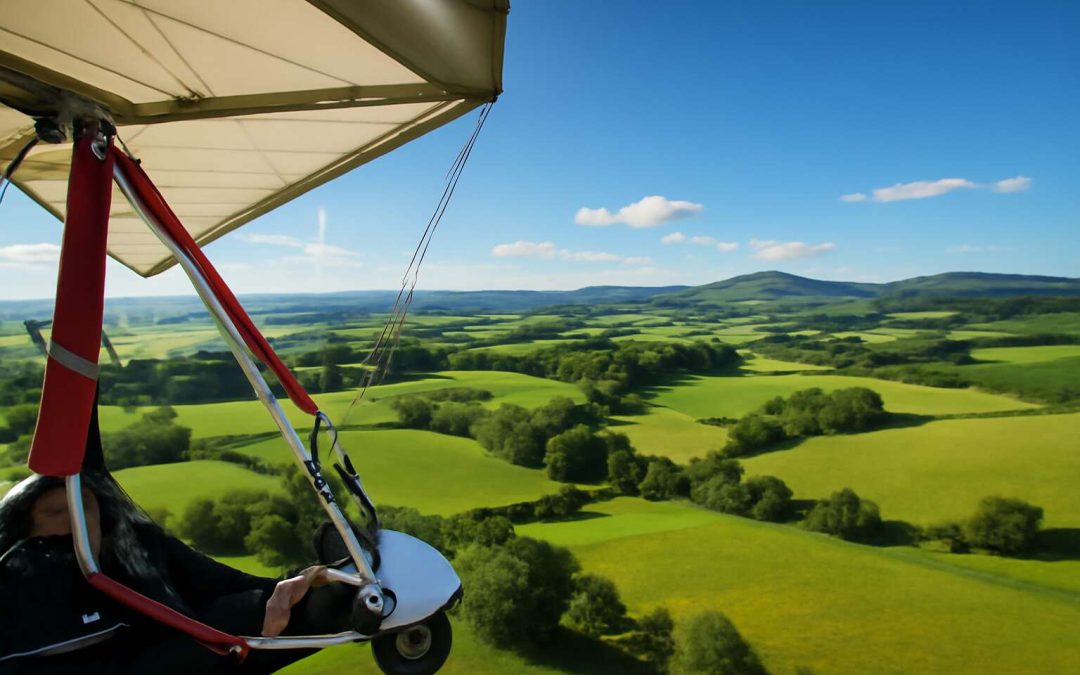
by | Aug 25, 2025 | Blog
Discovering East Fortune for Microlight Flying Adventures
Overview of East Fortune – Location, history, and significance as an aviation destination
Nestled in the historic heart of East Fortune, this charming village is a hidden gem for aviation enthusiasts seeking a microlight flight east fortune experience unlike any other. Once a bustling hub in the 19th century, East Fortune’s airfield now whispers tales of pioneering flight and adventure, inviting visitors to soar above its storied landscape. The airfield’s rich history as a military and civilian aviation site lends a unique charm, blending the past with the thrill of modern microlight flying. Every gust of wind seems to carry the promise of discovery, making each microlight flight east fortune a journey into both the sky and history.
Situated just a short drive from Edinburgh, East Fortune’s location offers panoramic views of the rolling Scottish countryside, with its lush fields and ancient ruins stretching as far as the eye can see. The significance of this destination as an aviation hub is reflected in its well-preserved facilities and dedicated flying clubs, which have transformed it into a sanctuary for those craving airborne adventure. For anyone eager to explore the skies in a microlight, East Fortune stands as a testament to the enduring allure of flight and the magical landscapes that await just beyond the horizon.
Why Choose East Fortune for Microlight Flights – Unique features, scenic views, and flying conditions
Embarking on a microlight flight east fortune offers an unparalleled perspective on Scotland’s breathtaking landscapes. There’s a certain magic in soaring above lush fields and ancient ruins, where every turn reveals a new tapestry of natural beauty and historic charm. East Fortune’s favourable flying conditions—characterized by gentle breezes and clear skies—make it an ideal location for both seasoned pilots and curious newcomers alike.
What sets East Fortune apart as a premier destination for microlight flying is its unique combination of scenic vistas and well-maintained facilities. The airfield’s strategic position provides spectacular panoramic views of the Scottish countryside, with rolling hills and rugged coastlines just beyond the horizon. For those seeking an adventure that combines history, nature, and adrenaline, a microlight flight east fortune promises a journey into the sky filled with wonder and discovery.
Among the standout features of this destination are its varied flying conditions, which allow for an exhilarating yet safe experience. Whether you prefer a tranquil glide or a more spirited flight, East Fortune’s climate adapts seamlessly to your adventure style. This versatility makes each microlight flight east fortune a unique chapter in your personal story of flight, one that captures the essence of Scottish scenery from an entirely new vantage point.
Microlight Flight Experiences in East Fortune
Types of Microlight Flights Offered – Sightseeing flights, training sessions, and special packages
When it comes to unforgettable adventures, a microlight flight east fortune offers a perspective that simply defies expectation. Imagine soaring gracefully above rolling hills and historic landmarks, feeling the wind whisper secrets of the landscape below. It’s an experience that transforms the mundane into the extraordinary, turning the sky into your personal theatre.
At East Fortune, a variety of microlight flights are available to cater to every thrill-seeker and curious explorer. From exhilarating sightseeing flights that showcase the region’s scenic tapestry to comprehensive training sessions, there’s something for everyone. For those seeking a touch of indulgence, special packages combine the joy of flight with luxury amenities, making each moment truly exceptional.
- Scenic flights over iconic East Fortune landmarks
- Introductory sessions for aspiring pilots
- Exclusive flight packages designed for special occasions
Whether you’re a seasoned aviator or a first-time flyer, the microlight flight east fortune promises an intimate encounter with the skies, fostering a sense of freedom and adventure that’s hard to match. It’s not just a flight; it’s an immersion into the art of soaring, with vistas that linger long after touch down. Truly, East Fortune’s microlight experience elevates the soul and ignites the spirit of discovery.
Scenic Routes and Landmarks – Highlights such as the Firth of Forth, coastline, and nearby historical sites
Embarking on a microlight flight east fortune unveils a tapestry of breathtaking vistas that linger long after the engine hum subsides. The region’s scenic routes are a testament to natural artistry, with the Firth of Forth’s shimmering waters glistening beneath you like liquid silver. As you glide along the coastline, the salty tang of the breeze mingles with a sense of exhilarating discovery, transforming an ordinary day into an extraordinary adventure.
One of the most captivating highlights of a microlight flight east fortune is the panoramic view of nearby historical sites, where ancient castles and ruins whisper stories of bygone eras. The flight path often includes a bird’s-eye view of iconic landmarks such as the historic Fort House and scenic coastal cliffs, providing a visual feast for history enthusiasts and nature lovers alike.
- Stunning aerial views of the Firth of Forth
- Expansive coastline that stretches to the horizon
- Nearby historical landmarks steeped in local lore
Whether you’re admiring the rugged beauty of the coastline or soaking in the serenity of the inland landscapes, a microlight flight east fortune offers an unparalleled perspective—one that elevates the soul and ignites the spirit of adventure. This experience isn’t merely about flying; it’s about connecting with the land and history from a vantage point reserved for the truly curious and daring.
Experience Duration and Pricing – Details on flight lengths, costs, and booking options
Embarking on a microlight flight east fortune is an adventure that promises unforgettable vistas and exhilarating moments. Flight durations typically range from 15 to 30 minutes, allowing you to soak in the sweeping landscapes without feeling rushed. For those seeking a more immersive experience, longer flights of up to an hour can be arranged, offering additional time to marvel at the coastlines and historic landmarks. Pricing for these flights is equally flexible, with introductory packages starting from as little as £75, making this extraordinary experience accessible to many. Booking is straightforward—simply choose your preferred flight duration and secure your spot through our online reservation system or by contacting our friendly team directly.
Whether you’re after a quick thrill or a prolonged aerial tour, the microlight flight east fortune experience can be tailored to suit your spirit of adventure. Special packages are also available for groups or those celebrating special occasions, ensuring everyone can enjoy the thrill of flying. The remarkable combination of scenic beauty, history, and bespoke flight options makes this experience a must-try for anyone eager to see east fortune from a new perspective. Prepare for a journey that elevates your perspective—literally and figuratively—and leaves you with memories to cherish forever!
Preparing for Your Microlight Flight in East Fortune
Booking and Reservations – How to reserve your flight experience, availability, and seasonality
Securing your spot for a microlight flight east fortune is an essential step to ensure an unforgettable adventure above the stunning Scottish landscape. As demand increases during peak seasons, especially in spring and summer, early reservations become crucial to avoid disappointment. The availability of microlight flights east fortune varies throughout the year, with the most popular slots filling up quickly, particularly on weekends and during special events or weather-friendly days. It’s advisable to check the booking calendar well in advance to secure your preferred date and time.
Booking a microlight flight east fortune is straightforward—most operators offer online reservations, allowing you to select your desired flight experience, date, and time with ease. Some providers also provide flexible packages that cater to different preferences and budgets. When planning your trip, consider the seasonality of flights, as weather conditions can influence availability.
- Spring blooms and longer daylight hours enhance scenic views
- Summer offers optimal flying conditions and extended daylight
- Autumn provides a tapestry of vibrant colours, ideal for photography
For those eager to explore the breathtaking coastline, historic landmarks, and the iconic Firth of Forth from above, early booking is recommended. Confirming your reservation ensures a seamless experience, letting you focus on the thrill of flight and the spectacular vistas awaiting you in East Fortune.
What to Wear and Bring – Clothing recommendations, safety gear, and personal items
Preparing for your microlight flight east fortune is about more than just showing up; it’s about ensuring you’re comfortable, safe, and ready to embrace the thrill of soaring above the Scottish landscape. The right clothing can make all the difference—think layered, weather-resistant attire that keeps you warm in the brisk air yet flexible enough to move freely. Since the flight involves open cockpit exposure, a sturdy jacket, gloves, and a hat are recommended, especially during cooler months or early mornings.
Bringing along a few personal items can enhance your experience. A camera or smartphone with a secure strap allows you to capture stunning vistas of the coastline, Firth of Forth, and surrounding landmarks. Remember, safety gear is provided by operators, but it’s wise to wear comfortable, closed-toe footwear for easy footing during pre-flight preparations.
Consider also the weather conditions—clear, calm days offer the best flying experience. Weather can change quickly, so dressing in layers will help you adapt to varying temperatures. Most importantly, arrive with an open heart and an eager spirit, ready to marvel at the breathtaking views that only a microlight flight east fortune can offer!
Health and Safety Guidelines – Pre-flight health considerations, safety briefings, and pilot qualifications
Embarking on a microlight flight east fortune is an exhilarating experience, but ensuring your health and safety is paramount. Pre-flight health considerations are straightforward but vital—if you have respiratory issues, heart conditions, or mobility challenges, consult with your operator beforehand. Most providers require a brief health declaration to ensure you’re fit for flight, prioritizing passenger safety above all else.
Safety briefings are an essential part of the preparation. These sessions, led by qualified pilots, cover everything from emergency procedures to proper behavior during the flight. It’s important to pay close attention and ask questions if anything isn’t clear, as it helps create a secure environment for everyone involved.
Regarding qualifications, pilots operating microlight flights east fortune are typically licensed and highly experienced. They undergo rigorous training and continuous assessments to maintain safety standards, so passengers can relax knowing they’re in capable hands. To further enhance safety, consider bringing a comfortable, secure strap for your camera or smartphone—capturing the scenic beauty of the Scottish landscape is often a highlight of the experience!
Choosing the Right Microlight Flight Provider in East Fortune
Reputable Flight Schools and Operators – Tips for selecting certified and experienced providers
Embarking on a microlight flight east fortune promises not just an adventure but an immersion into a realm where the sky whispers secrets of ancient landscapes and shimmering horizons. But to truly elevate this experience, selecting the right provider becomes paramount. With a myriad of options available, discerning travelers must seek out reputable flight schools and operators known for their unwavering commitment to safety, professionalism, and exquisite service.
Reputable providers of microlight flight east fortune are distinguished by their certified pilots and adherence to stringent safety standards. It’s essential to verify that the operators are fully licensed and come highly recommended by previous explorers. Look for reviews and testimonials that speak to their experience in handling scenic flights over East Fortune’s breathtaking vistas. An operator with a proven track record ensures not only a magical journey but also peace of mind during your aerial escapade.
Some tips for selecting the perfect provider include prioritizing those who offer comprehensive safety briefings, have modern, well-maintained aircraft, and provide transparent pricing. Remember, the right microlight flight east fortune operator transforms a simple flight into a legendary adventure—so choose wisely and prepare for skies filled with wonder!
Customer Reviews and Testimonials – Importance of reviews and real customer feedback
When selecting a provider for a microlight flight east fortune, customer reviews and testimonials serve as invaluable navigational tools. Authentic feedback from previous adventurers offers a window into the true quality of the experience, beyond glossy brochures and polished websites. These real accounts reveal how well an operator adheres to safety protocols, the professionalism of their pilots, and the overall ambiance of the flight.
In fact, many seasoned explorers point to glowing testimonials as the deciding factor, sharing stories of awe-inspiring vistas and seamless booking processes. A reputable provider often accumulates a wealth of positive reviews that reflect consistent excellence. To ensure your journey over East Fortune’s scenic landscapes exceeds expectations, it’s wise to scrutinize these customer experiences. They often highlight the operator’s dedication to safety, aircraft condition, and personalized service — all crucial elements for a memorable microlight flight east fortune.
Highlighting this, some operators feature a dedicated section for customer testimonials on their website, showcasing firsthand impressions that lend credibility and assurance. Whether it’s a breathtaking view of the Firth of Forth or a peaceful glide over historic sites, genuine reviews help prospective flyers gauge whether the provider will deliver that extraordinary, once-in-a-lifetime experience. After all, when it comes to your sky-high adventure, trusting the voice of fellow travelers can make all the difference in choosing the perfect microlight flight east fortune.
Certifications and Safety Standards – Ensuring your safety with licensed operators
In the shadowed skies above East Fortune, where history and aviation intertwine, selecting a certified and reputable operator for your microlight flight is paramount. The skies are not a place for amateurs or unlicensed adventurers; they demand a meticulous adherence to safety standards and rigorous certifications. Only licensed operators with exemplary safety protocols can elevate your experience from fleeting thrill to a cherished memory etched into the soul.
Ensuring your safety begins with verifying the operator’s credentials. A reputable provider for a microlight flight east fortune will proudly display their certifications and safety standards, often backed by national aviation authorities. Look for operators whose pilots are not only licensed but also possess extensive experience and a deep respect for the skies—they are the true custodians of your airborne journey.
- Verify the operator’s licensing and safety certifications.
- Inquire about pilot experience and training records.
- Ensure aircraft maintenance logs are up-to-date and transparent.
When the credentials are in place, you can soar with confidence, knowing that every precaution has been meticulously observed. The right provider for a microlight flight east fortune will blend safety with the thrill of discovery, ensuring that every gust of wind and every breathtaking vista is experienced with peace of mind and unwavering trust.
Benefits of Flying a Microlight in East Fortune
Unique Aerial Perspectives – Capturing stunning views and memorable photo opportunities
Embarking on a microlight flight east fortune offers an unparalleled vantage point that transforms the ordinary into the extraordinary. Imagine soaring above breathtaking landscapes, where the horizon unfurls in a tapestry of vivid hues and intricate details. This unique aerial perspective provides an intimate glimpse of East Fortune’s scenic beauty—an experience that remains etched in memory long after touch-down.
The thrill of flying in a microlight is complemented by the chance to capture stunning views and memorable photo opportunities. Whether it’s the shimmering coastline, the historic landmarks, or the lush countryside, each frame taken during your microlight flight east fortune tells a story of adventure and discovery. For photography enthusiasts or those simply seeking a fresh perspective, these flights serve as a canvas for capturing nature’s splendor from a vantage point few get to enjoy.
- Unobstructed views of the Firth of Forth
- Close-up encounters with the stunning Scottish coastline
- Scenic overlooks of historic sites and natural landmarks
Such scenic routes not only elevate the flying experience but also deepen appreciation for East Fortune’s rich tapestry of history and natural beauty. The mesmerizing vistas make the microlight flight east fortune an ideal choice for those craving an extraordinary adventure and a chance to see the world from a fresh, exhilarating perspective.
Affordable Adventure – Cost-effective alternatives to traditional aircraft flights
Embarking on a microlight flight east fortune offers an unexpectedly affordable way to experience the thrill of flying. Unlike traditional aircraft, microlights provide a cost-effective alternative that doesn’t compromise on adventure or stunning views. With lower operating costs, flight providers can pass on these savings to thrill-seekers eager to gaze over East Fortune’s scenic landscapes without breaking the bank.
This budget-friendly option opens the door for more enthusiasts to indulge in aerial exploration. Whether you’re a first-time flyer or a seasoned aviator, the microlight flight east fortune delivers a memorable experience at a fraction of the price of larger aircraft. Plus, the flexibility in flight durations and packages ensures you can tailor your adventure to fit your budget and schedule.
One of the most compelling benefits is the accessibility it offers—making the skies more inclusive and inviting. For those yearning to witness the majestic Firth of Forth, navigate the Scottish coastline, or admire historic landmarks from above, a microlight flight east fortune provides an economical yet exhilarating way to do so. It’s a rare opportunity to turn an extraordinary adventure into an achievable reality, all while soaking in breathtaking scenery that’s truly priceless.
Accessible for All Skill Levels – Options for beginners, solo pilots, and experienced flyers
Flying a microlight in East Fortune is an experience that transcends the typical. It’s an invitation to connect with the sky in a way that’s accessible to everyone, regardless of skill level. The beauty of a microlight flight east fortune lies in its inclusivity—beginners, solo pilots, and seasoned aviators can all find their place among the clouds. The aircraft’s intuitive controls and safety measures make it possible for first-timers to take off with confidence, while experienced pilots can explore more complex routes or hone their skills.
For those new to aviation, introductory flights provide a gentle yet exhilarating entry into flying. Solo pilots can enjoy the freedom of piloting their own craft, with professional instructors guiding the way. Meanwhile, seasoned flyers often return to East Fortune for its scenic routes and breathtaking vistas—an ideal place to deepen one’s flying expertise. Whether it’s your first time or your hundredth, a microlight flight east fortune offers a uniquely personal journey into the skies, tailored to your comfort and curiosity.
Top Tips for a Memorable Microlight Flight Experience
Best Time to Fly in East Fortune – Seasonal considerations for optimal weather and views
Timing your microlight flight east fortune can transform an already breathtaking experience into a memory etched in time. The best time to fly in East Fortune hinges on seasonal considerations that optimize both weather conditions and spectacular views. Spring and early summer, from April to June, often offer the clearest skies and mild temperatures, providing ideal flying conditions. During these months, the landscape bursts into vibrant hues, making your aerial journey even more mesmerizing.
Autumn, especially September and October, also presents an enchanting vista, with golden foliage and crisp air enhancing your scenic flight. Conversely, winter months tend to bring unpredictable weather, with shorter daylight hours and more frequent overcast skies, which can diminish visibility and the overall experience. To ensure your microlight flight east fortune is filled with awe-inspiring sights, it’s wise to plan your adventure during the milder, drier seasons when the natural beauty of the landscape truly shines from above.
Capturing the Moment – Photography tips and personal souvenirs
Capturing the magic of a microlight flight east fortune is an experience that transcends the ordinary, transforming fleeting moments into timeless memories. To truly cherish this adventure, consider engaging your senses with thoughtful photography tips that elevate your aerial snapshots. The golden hour—those precious moments just after sunrise or before sunset—offers a warm, diffused light that bathes the landscape in an ethereal glow, perfect for stunning images. Bring along a camera with a zoom lens to capture distant landmarks like the Firth of Forth or the sprawling coastline from above, where every detail whispers stories of natural beauty.
Personal souvenirs can turn your flight into a treasured keepsake. Consider bringing a small, lightweight memento, such as a custom pin or a printed map of your scenic route, to remind you of this otherworldly perspective. For a truly immersive experience, try to document your journey through both photographs and handwritten notes—these tangible memories will deepen your connection to the moment. Remember, the key to a memorable microlight flight east fortune lies in being present and embracing the breathtaking vistas that unfold beneath you, forever etched in your mind’s eye.
Post-Flight Activities – Additional attractions, aviation museums, and local hospitality
Once your exhilarating microlight flight east fortune concludes, the adventure doesn’t have to end there. Engaging in post-flight activities can deepen your appreciation for the region’s aviation heritage and scenic splendor. Exploring nearby attractions, such as East Fortune’s renowned aviation museums, offers a captivating glimpse into the area’s storied past. These museums showcase vintage aircraft and fascinating exhibits that complement your aerial experience perfectly.
For those seeking a more immersive experience, local hospitality venues serve up hearty meals and warm welcomes, making them ideal spots to reflect on your flight. If time permits, consider visiting historical sites like the East Fortune Airfield or taking a scenic drive along the coast to extend your adventure. To help plan your itinerary, here’s a quick overview:
- Visit the East Fortune Aviation Museum to explore aviation history firsthand.
- Enjoy a leisurely meal at a nearby café or pub, soaking in the local atmosphere.
- Explore additional attractions such as coastal walks or heritage sites.
Whether you’re a history enthusiast, a food lover, or an avid explorer, the region offers a wealth of post-flight activities that enhance your microlight flight east fortune experience, making every moment both memorable and meaningful.