by | Sep 12, 2025 | Blog
Understanding Microlight Flying in South Africa
Overview of Microlight Aircraft – What are microlights and their classifications in South Africa
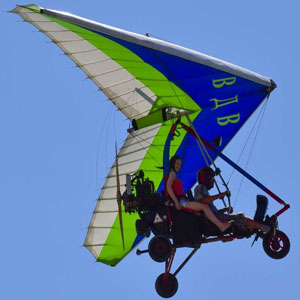
Flying a microlight in South Africa is more than just a hobby; it’s a journey into the heart of freedom and adventure. With over 1,200 registered microlights across the country, enthusiasts are discovering that these lightweight aircraft open up a world of breathtaking vistas and personal achievement. But before soaring through the skies, understanding the fundamentals of microlight aircraft is essential. These aircraft are classified based on weight, design, and power, ensuring safety and regulation compliance in South Africa.
In South Africa, microlights are typically divided into two main classifications: fixed-wing and weight-shift control aircraft. Each category has distinct characteristics that influence licensing requirements and operational boundaries. The process of obtaining a microlight license involves navigating costs that vary depending on training hours, aircraft type, and certification standards. When considering the microlight license cost south africa, aspiring pilots often ask whether the investment is worthwhile for the unparalleled experience of flight. The answer lies in the balance of safety, skill, and the sheer joy of flight — but knowing the costs upfront helps in planning this exciting journey.
Benefits of Microlight Flying – Advantages for hobbyists and pilots
Flying a microlight in South Africa is like stepping into a dream woven from sunlight and wind. The sensation of effortlessly gliding above the landscape offers an unparalleled sense of liberation that resonates deep within the soul. For those captivated by the allure of open skies, understanding the microlight license cost south africa is a vital step on this enchanting journey. It’s an investment not just in a license, but in a world where every flight becomes a poetic adventure.
One of the greatest advantages of microlight flying is its accessibility. Unlike larger aircraft, microlights are more affordable to operate and maintain, making them perfect for hobbyists eager to embrace the skies. The experience fosters a profound connection with nature — from breathtaking mountain vistas to shimmering coastlines, each flight reveals South Africa’s diverse beauty in a way that words cannot capture. The microlight license cost south africa encompasses training, registration, and certification, but the rewards are immeasurable, offering a lifetime of exhilarating memories.
Legal Framework & Regulations – Governing bodies and aviation laws in South Africa
South Africa’s vast skies are governed by a meticulous web of laws and regulations that safeguard the harmony between human aspiration and aerial safety. Understanding the legal framework surrounding microlight flying is essential for any aspiring aviator eager to take to the open air. At the heart of this structure are the governing bodies that oversee licensing, safety standards, and operational protocols—ensuring that each flight remains a poetic dance with the wind rather than a reckless gamble. The South African Civil Aviation Authority (SACAA) stands as the sentinel, meticulously crafting and enforcing the laws that preserve order amid the boundless blue.
The process of obtaining a microlight license in South Africa is woven into a tapestry of compliance and training. To navigate this realm, aspiring pilots must adhere to specific regulations that define the minimum requirements for skill, knowledge, and safety. The journey involves a series of steps, from theoretical knowledge to practical flying hours, all designed to instill confidence without sacrificing the thrill of flight. The microlight license cost south africa reflects not just the financial investment but also the dedication required to soar responsibly, harmonizing freedom with accountability.
For clarity and seamless progression, the South African aviation laws emphasize a structured approach: first, pilot training under approved instructors; second, demonstrating proficiency through exams and flight tests; and finally, registration of the aircraft itself. This layered regulatory framework ensures that every takeoff and landing is a testament to discipline and respect for the skies. Whether you are drawn to the serenity of dawn flights or the adrenaline of aerial adventure, understanding the governing laws transforms your passion into a responsible pursuit—an essential chapter in the voyage toward your microlight license in South Africa.
Factors Influencing Microlight License Costs in South Africa
Types of Licenses and Certifications – PPL(M), SPL, and other relevant licenses
Understanding the factors influencing the microlight license cost South Africa requires more than just a glance at price tags. It’s an intricate dance between the type of license sought and the depth of certification required. The pricing can fluctuate significantly based on whether a pilot is pursuing a Private Pilot License (PPL(M)), a Student Pilot License (SPL), or other specialized certifications. Each pathway demands a different level of training, aircraft familiarity, and practical hours, which directly impact the overall cost.
In South Africa, the **microlight license cost** is also shaped by regional training facilities, instructor expertise, and the quality of equipment used during instruction. For example, a PPL(M) often involves a more comprehensive curriculum, translating to higher expenses, while an SPL might be more budget-friendly but still rigorous. Here’s a quick look at the common licenses:
- Private Pilot License (PPL(M)) – the most extensive, covering advanced navigation and flight skills
- Student Pilot License (SPL) – introductory license for beginners, less costly but foundational
- Additional endorsements and certifications – tailored to specific flying interests or aircraft types
Ultimately, the true microlight license cost South Africa is a reflection of these variables—each one adding layers to the journey of becoming a certified pilot, and each one demanding a different investment of time and resources. The costs aren’t static; they mirror the aspirations and dedication of the individual pilot navigating the skies of this vibrant nation.
Training Duration and Intensity – How training hours impact overall costs
Training duration and intensity are pivotal factors that shape the microlight license cost South Africa. The more hours a student dedicates to mastering the controls, navigation, and emergency procedures, the higher the overall investment. Unlike traditional flying, microlight training demands a delicate balance between theoretical knowledge and practical application, often requiring intensive, immersive sessions. This means that aspiring pilots who opt for comprehensive, full-time training courses will encounter a steeper price tag compared to those pursuing part-time or modular options.
Furthermore, regional disparities in training facilities influence costs. Well-equipped flight schools with seasoned instructors tend to charge premium rates, reflecting their high standards and safety protocols. The number of practical hours mandated by South African aviation authorities also plays a role—more hours often equate to a higher microlight license cost south africa. An interesting aspect to consider is that training intensity not only impacts costs but also shapes the pilot’s confidence and competence, making every rand invested a vital step toward the skies.
Flight School Selection – Differences in costs between various training providers
When contemplating the journey toward earning a microlight license in South Africa, one cannot overlook the influence of flight school selection on the overall investment. The landscape of training providers is as diverse as the skies themselves, with costs varying significantly from one institution to another. Some academies, nestled within renowned aviation hubs, command premium fees due to their state-of-the-art facilities and highly experienced instructors. Others, perhaps more modest but equally dedicated, offer more accessible rates that appeal to the burgeoning pilot.
It’s essential to recognize that these differences are not arbitrary. Flight schools with a reputation for meticulous safety standards and comprehensive training programs often justify their higher microlight license cost south africa with quality assurance and personalized mentorship. Conversely, a less established or smaller operation might present a more budget-friendly option, though it may come with longer training durations or fewer resources.
To navigate this landscape, many aspiring pilots consider a simple yet effective approach: comparing offerings through a structured lens. For example, some training providers may include additional amenities, advanced simulators, or extended practical hours, all of which influence the ultimate cost. Eventually, your choice of flight school becomes a crucial determinant of both the quality of training and the microlight license cost south africa, shaping your journey from novice to aviator.
Additional Expenses – Equipment, medical exams, licensing fees, and ongoing costs
Embarking on the journey to obtain a microlight license in South Africa involves more than just mastering the skies — it’s a complex tapestry of expenses that extend beyond tuition fees. Additional costs can significantly influence your overall investment, shaping the true price of earning a microlight license in South Africa. Equipment, for example, is a crucial consideration; purchasing or renting safety gear, navigation tools, and maintenance supplies can add up quickly. Medical exams, required for licensing, often come with their own fees, varying based on the provider and location.
Furthermore, licensing fees imposed by regulatory authorities are unavoidable, but they’re only part of the picture. Some pilots overlook ongoing costs such as insurance, recurrent training, and aircraft maintenance, which are essential to sustain safe flying practices. For those seeking a comprehensive understanding of the true financial commitment, it’s helpful to recognize the diverse elements that contribute to the overall microlight license cost south africa. A detailed breakdown often reveals that the initial training fee is just the beginning of a much larger financial landscape.
Breakdown of Microlight License Cost in South Africa
Training Fees – Cost of ground school and flight instruction
Embarking on the journey to obtain a microlight license in South Africa is akin to investing in a ticket to the skies—exciting, yet nuanced by costs that can surprise even seasoned aviators. The training fees form the cornerstone of this financial landscape, covering essential ground school and flight instruction. These components are the backbone of the certification process, ensuring pilots are well-versed in safety protocols and aeronautical principles.
In South Africa, the **microlight license cost** is influenced by several factors, including the chosen flight school and the duration of training. Typically, ground school sessions provide theoretical foundations, while practical flight instruction hones piloting skills in real-world conditions. As a general rule, expect to allocate a significant portion of your budget to these core elements. For example, comprehensive training might range from R50,000 to R100,000, reflecting the intensity and quality of instruction offered.
- Ground school fees, which can range from R10,000 to R30,000 depending on the institution.
- Flight instruction costs, often charged per hour, with rates varying between R1,200 and R2,000.
- Additional costs such as simulator practice, assessment fees, and instructor charges may also accrue.
Understanding these facets of the **microlight license cost south africa** provides clarity, allowing aspiring pilots to budget effectively and avoid unwelcome surprises as they chase their airborne ambitions. After all, every Rand invested in quality training is a step closer to soaring above the breathtaking vistas of South Africa’s diverse landscape.
Examination and Licensing Fees – Registration, tests, and certification costs
When it comes to securing a microlight license in South Africa, understanding the examination and licensing fees is essential. These costs encompass registration, testing, and certification, forming the final steps in your journey toward becoming a licensed microlight pilot. The licensing process ensures that all pilots meet strict safety and competency standards, which are overseen by the South African Civil Aviation Authority (SACAA).
The registration fee is a one-time expense that covers the official documentation of your licensing application. Subsequently, you will encounter costs associated with written exams and practical assessments, which verify your theoretical knowledge and flying proficiency. Certification fees are payable upon successful completion of all requirements, finalizing your qualification to pilot a microlight aircraft legally in South Africa.
In total, the microlight license cost south africa for examination and licensing can range from R5,000 to R15,000, depending on the training provider and the specifics of your licensing pathway. These fees are a vital investment in your aviation journey, reflecting the rigorous standards that ensure safety in South Africa’s diverse skies.
Medical Examination Costs – Required medical standards and associated expenses
In the shadowed corridors of aviation pursuits, the pursuit of a microlight license in South Africa reveals a tapestry woven with both aspiration and fiscal reality. The medical examination costs, a silent gatekeeper, are grounded in strict standards set by SACAA, ensuring every pilot’s vision and health align with safety’s unforgiving standards. These expenses can vary, often hovering between R1,500 and R3,000, depending on the medical practitioner and the thoroughness of the assessment.
Embarking on this journey, the medical standards demand a comprehensive evaluation—vision tests, hearing screenings, and a general health check—each essential to safeguard the skies. While some aspiring pilots find these costs manageable, others may encounter additional expenses if medical conditions necessitate further certification or specialist consultations. Yet, the investment in health is an unspoken oath to uphold the sanctity of flight, a precursor to the more overt costs that lie ahead in the pursuit of the microlight license.
Equipment and Safety Gear – Costs for pilot gear, radio, and accessories
Embarking on the journey to obtain a microlight license in South Africa isn’t just about soaring the skies—it’s also about navigating a labyrinth of costs that can make even the most enthusiastic pilot’s wallet quiver. One of the key components that often escapes the spotlight is the equipment and safety gear. After all, safety isn’t just a buzzword; it’s the backbone of every successful flight. The expenses for pilot gear, radios, and essential accessories can add up quicker than a microlight zipping through clouds.
Typically, you’ll need a reliable radio for communication, a sturdy helmet, and perhaps a GPS device—each item serving as your trusted co-pilot in the sky. The costs for these items fluctuate based on quality and brand, but expect to spend anywhere from R10,000 to R30,000 for a comprehensive setup. While some pilots opt for second-hand gear to trim expenses, skimping on safety gear isn’t advisable; after all, your life isn’t the place to be frugal.
To put it into perspective, here’s a quick breakdown of typical equipment costs for aspiring microlight pilots in South Africa:
- Radio communication system: R8,000 – R15,000
- Helmet and headsets: R3,000 – R7,000
- Navigation and safety accessories: R2,000 – R8,000
In the grand scheme of the microlight license cost South Africa, equipment expenses might seem like a minor detail, but they’re vital for safe, compliant flying. Ignoring this facet could turn your dream of flight into a costly crash course in regret. So, whether you’re planning to fly solo or join a training school, investing wisely in your gear ensures that your journey skyward is both exhilarating and secure!
Maintenance and Insurance – Ongoing costs for aircraft upkeep and insurance
Beyond the initial training and licensing fees, maintaining a microlight aircraft in South Africa incurs ongoing costs that are essential to ensure safety, legality, and operational readiness. These expenses include regular maintenance, repairs, and inspections—each vital to uphold the integrity of your aircraft and comply with aviation regulations. Maintenance costs can fluctuate based on aircraft age, usage, and the complexity of repairs, but it’s prudent to allocate a budget that accounts for routine servicing and unexpected repairs.
Insurance is another critical component of the microlight license cost South Africa. Given the inherent risks of light aircraft flying, comprehensive insurance coverage is indispensable. Premiums are influenced by factors such as pilot experience, aircraft value, and coverage extent, but typically range from R15,000 to R30,000 annually. This expense safeguards pilots against liabilities and potential damages, transforming a thrilling hobby into a responsible pursuit.
For ongoing operational costs, some pilots opt for a structured approach by creating a maintenance schedule or joining a flying club that shares maintenance responsibilities. Such practices can help mitigate expenses and foster a community of like-minded aviators. Ultimately, the combined costs for aircraft upkeep and insurance underscore that the journey to mastering the microlight license in South Africa is as much about stewardship of your aircraft as it is about flight itself.
Average Cost Range for Obtaining a Microlight License in South Africa
Typical Training Program Costs – Expected expenses for beginner courses
Embarking on the journey to obtain a microlight license in South Africa isn’t just about chasing the thrill of flight; it’s also about navigating a financial landscape that can surprise even the most seasoned budgeters. On average, the microlight license cost South Africa ranges from R50,000 to R100,000, depending on various factors like training intensity and the chosen flight school. Think of it as investing in your sky-high dreams—minus the rocket fuel price tag!
For beginners, typical training program costs include ground school tuition, flight instruction, and examination fees. These expenses are the backbone of your flying adventure and can vary significantly. Some flight schools offer comprehensive packages that cover everything from basic aerodynamics to advanced navigation, often bundled to give you a more predictable total cost. Expect to pay around R30,000 to R60,000 for a well-rounded beginner course, which includes both theory and practical hours.
Additional expenses are often overlooked but just as crucial. These include safety gear, medical exams, licensing fees, and aircraft rental charges. A typical breakdown might look like this:
- Medical examination costs: R2,000–R5,000
- Safety equipment and pilot gear: R5,000–R10,000
- Licensing and registration fees: R10,000–R20,000
All these elements contribute to the overall microlight license cost South Africa, making it a versatile investment for aspiring pilots eager to conquer the skies without breaking the bank! The key is to shop around, compare flight school offerings, and remember that sometimes, the cheapest option isn’t always the safest or most comprehensive. After all, you’re not just buying a license—you’re investing in a ticket to freedom!
Budgeting for Additional Expenses – Miscellaneous costs to anticipate
Beyond the initial investment in training and aircraft, aspiring pilots must also prepare for a cascade of miscellaneous expenses that quietly accrue along the flight path. These additional costs, though often underestimated, are vital to ensuring a safe and compliant journey into the world of microlight flying. The microlight license cost South Africa isn’t solely about the certification; it encompasses a spectrum of essentials that underpin your ability to take to the skies with confidence.
Medical exams, safety gear, and licensing fees form a significant part of this financial mosaic. For instance, a medical examination may range from R2,000 to R5,000, depending on the clinic and required tests. Safety equipment such as helmets, radios, and navigation tools can accumulate to R5,000–R10,000, especially when high-quality, certified gear is prioritized. Additionally, licensing and registration fees, often overlooked, can add another R10,000–R20,000 to your overall expenses.
It’s wise to consider that these expenses can vary based on the flight school, personal preferences, and regulatory requirements. To give a clearer picture, here is a quick overview:
- Medical examination costs: R2,000–R5,000
- Safety equipment and pilot gear: R5,000–R10,000
- Licensing and registration fees: R10,000–R20,000
By factoring in these miscellaneous costs, future pilots can better budget their journey toward obtaining a microlight license in South Africa, transforming a dream into a tangible, achievable reality. After all, every adventure begins with meticulous preparation—especially when it involves conquering the boundless sky!
Total Approximate Costs – Summary of average total investment
The journey to soaring through the South African skies with a microlight license is a venture into a realm where dreams meet meticulous planning. The average microlight license cost South Africa typically falls within a broad spectrum, reflecting the diverse needs of aspiring pilots. On average, future aviators should budget between R25,000 and R50,000 to cover all essential expenses. This figure encompasses training fees, medical examinations, safety gear, and licensing costs—each a vital thread woven into the fabric of your aerial aspirations.
Beyond the core training, ancillary expenses such as high-grade safety equipment, navigation tools, and certification registration can subtly elevate the total investment. For those seeking a comprehensive view, here’s a quick snapshot:
- Training and instruction: R15,000–R30,000
- Medical examinations: R2,000–R5,000
- Safety gear and pilot accessories: R5,000–R10,000
- Licensing and registration fees: R10,000–R20,000
Every element, from the first ground lesson to the final certification, plays a role in transforming the dream of flight into tangible reality. The true cost of obtaining a microlight license in South Africa is an intricate dance of preparation, passion, and prudent budgeting—each step bringing the horizon closer with every calculated move.
Cost-Saving Tips and Considerations
Choosing the Right Flight School – Factors to consider for affordability
In the intricate realm of microlight aviation, the pursuit of a license often feels akin to navigating a labyrinth of costs and considerations. Interestingly, the microlight license cost south africa can vary significantly depending on the training provider and the scope of the course. For the savvy prospective pilot, understanding the nuances of affordability is paramount to avoid sticker shock. A common misconception is that the initial fees encompass all expenses; however, ancillary costs such as medical examinations, safety gear, and ongoing maintenance can subtly inflate the budget.
To truly optimize your investment, it pays to scrutinize the differences between flight schools. Some institutions may offer comprehensive packages that include equipment and insurance, while others might charge separately for each component. A prudent approach involves comparing detailed fee structures and considering the total investment—beyond just the microlight license cost south africa. Remember, a slightly higher upfront fee could translate into longer-term savings if it includes essential safety and training materials. Ultimately, choosing a flight school with transparent pricing and a reputation for quality training can turn the dream of microlight flying into a financially sustainable adventure.
Group Training and Packages – Benefits of bundling training sessions
For aspiring microlight pilots in South Africa, the journey to the skies is as exhilarating as it is financially nuanced. One often overlooked avenue to save on the microlight license cost south africa is through group training and bundled packages. These options can significantly reduce individual expenses while fostering camaraderie among fellow enthusiasts. By sharing resources, students often benefit from discounted rates on instruction, safety gear, and even aircraft usage.
Opting for group training sessions not only alleviates some of the financial pressure but also enriches the learning experience through peer support and shared insights. Many flight schools in South Africa offer comprehensive training packages that combine ground school, flight hours, and even equipment rental into a single, streamlined fee. This approach ensures transparency and helps prospective pilots better predict their total investment—an essential factor when budgeting for the microlight license cost south africa.
In essence, considering bundling training sessions can turn a costly endeavor into a more manageable and enjoyable adventure. The collective effort often results in longer-term savings and a more immersive flying education, making it an ideal strategy for those seeking to turn their aviation dreams into a cost-effective reality.
Maintenance and Upkeep – Maintaining affordability over time
Maintaining affordability over time when pursuing a microlight license in South Africa requires a keen eye on ongoing expenses. While the initial microlight license cost south africa might seem steep at first glance, responsible upkeep can prevent costs from spiraling out of control. Regular maintenance, such as engine checks and safety gear inspections, keeps the aircraft in prime flying condition and helps avoid costly repairs down the line. Trust me, a well-maintained microlight is not just safer but also more fuel-efficient, saving you a pretty penny in the long run.
Additionally, budgeting for insurance is non-negotiable — but shopping around can yield substantial savings. Some pilots opt for annual insurance policies tailored specifically for microlights, which can be more economical than ad-hoc coverage. For those who like to keep their expenses in check, establishing a maintenance schedule based on manufacturer recommendations ensures that costs are predictable and manageable. After all, a little preventative care goes a long way toward keeping the microlight license cost south africa within a reasonable range, making your airborne ambitions more financially sustainable.
To streamline ongoing costs, consider adopting a tiered approach to equipment upgrades or repairs, prioritizing essential safety gear before luxury accessories. Remember, the key is balancing safety, compliance, and budget. With a disciplined maintenance routine and savvy financial planning, aspiring pilots can enjoy the thrill of flying without being chased by the specter of exorbitant upkeep bills — because staying airborne shouldn’t mean sacrificing your wallet.
Financial Planning for Pilot Training – Funding options and budgeting
Embarking on the journey to obtain a microlight license in South Africa is an exhilarating pursuit, but understanding the financial landscape is equally vital. While the initial microlight license cost South Africa may seem substantial, strategic financial planning can transform this investment into an achievable dream. One of the smartest ways to manage expenses is by exploring diverse funding options—some flight schools offer flexible payment plans or scholarships for aspiring pilots. Additionally, establishing a well-thought-out budget that accounts for both training fees and supplemental costs ensures a smoother financial ride.
For those keen on trimming costs, consider grouping training sessions or opting for bundled packages, which often come with discounted rates. Remember, balancing affordability with safety and compliance is the key to maintaining a sustainable flying hobby or career. Ultimately, thoughtful financial planning not only makes the microlight license cost south africa more manageable but also keeps your passion for flight soaring high without unnecessary financial turbulence.
Additional Costs and Future Expenses for Microlight Pilots
Annual Renewals and Licenses – Renewal fees and upgrade costs
Embarking on the journey to obtain a microlight license in South Africa is a captivating adventure, but it’s essential to recognize the additional costs that come with maintaining your wings in pristine condition. Beyond the initial investment, pilots must account for annual renewal fees and potential upgrade costs, which can subtly influence the overall microlight license cost south africa. These renewal fees, typically modest, ensure your certification remains valid and compliant with South African aviation regulations. However, as your skills deepen and your aircraft evolves, upgrade costs—such as advanced training or new endorsements—can occasionally surface, adding a layer of complexity to your financial planning.
Keeping your license current is not merely a bureaucratic duty but a vital element of safe flying. The fees associated with renewing your license vary depending on the certifying authority and the specific endorsements you hold. Additionally, budget for future expenses like medical re-evaluations or supplementary training modules, which may be required to expand your flying privileges or adapt to new aircraft models. In the grand tapestry of microlight flying, understanding these ongoing costs helps ensure your passion remains unencumbered by unforeseen financial hurdles, making the pursuit of your aerial dreams all the more rewarding.
Ongoing Training and Certification – Additional courses to enhance skills
Embarking on the journey to earn a microlight license in South Africa is an adventure that captivates the soul, but it’s essential to recognize that the path extends beyond initial certification. For those eager to stretch their wings further, additional costs for ongoing training and certification often loom like distant thunderstorms—unpredictable yet manageable with proper foresight. These investments are not merely expenses but gateways to mastery, opening doors to new horizons and flying privileges.
Future expenses may include advanced training modules designed to deepen your skills or endorsements that elevate your license’s scope. Sometimes, pilots opt for specialized courses that enhance safety or introduce them to novel aircraft models. Keep in mind that some certifications might require recurrent medical examinations, refresher courses, or supplementary flying hours, each contributing subtly to the overall microlight license cost south africa. Being prepared for these eventualities ensures your passion remains unencumbered, allowing you to navigate South Africa’s azure skies with confidence and grace.
Upgrading Aircraft or Equipment – Costs associated with improvements
For microlight pilots in South Africa, upgrading aircraft or equipment is often a pivotal step toward greater flying freedom and safety. While the initial microlight license cost south africa is a significant investment, subsequent expenses for improvements can subtly add up over time. Aircraft upgrades—such as installing modern avionics, enhanced safety features, or more efficient engines—are not just luxury expenses but essential for staying current and competitive in the microlight community.
These enhancements often come with a hefty price tag, especially if you’re considering custom modifications. The costs associated with upgrading aircraft or equipment may include:
- New safety gear and communication devices
- Retrofitting avionics for better navigation and weather monitoring
- Replacing worn-out parts to maintain airworthiness
Understanding the potential future expenses helps pilots plan their finances more effectively. For instance, some upgrades could require additional certifications or inspections, which in turn influence the overall microlight license cost south africa. Whether opting for a higher-performance aircraft or simply maintaining existing equipment, budgeting for these expenses ensures your passion for flying remains unencumbered by unexpected financial surprises. After all, upgrading your aircraft isn’t just about flying; it’s about elevating your entire experience in South Africa’s expansive skies.
Insurance and Safety Protocols – Ensuring safety and compliance costs
In the realm of microlight aviation, safety and compliance are not mere formalities—they are the lifeblood of every flight adventure. For pilots navigating South Africa’s boundless skies, understanding the hidden layers of additional costs and future expenses is crucial. Insurance, in particular, serves as a vital shield, safeguarding both pilot and aircraft against unforeseen turbulence. The expense of comprehensive insurance policies can vary, but it’s an essential investment to maintain peace of mind during every takeoff and landing.
Beyond insurance, adhering to safety protocols often entails ongoing expenditures—regular safety gear upgrades, communication devices, and periodic inspections. These costs are not just about meeting regulatory demands but about elevating the entire flying experience. For instance, ensuring your aircraft is equipped with modern navigation or weather monitoring systems may seem like luxury but is often a prudent choice for long-term safety and operational efficiency.
In South Africa, licensing authorities may require pilots to undertake periodic re-certifications or training refreshers—expenses that subtly influence the overall microlight license cost south africa. To stay compliant and confident in the air, pilots often find themselves budgeting for these recurring costs, which keep their skills sharp and their aircraft in tip-top shape.
Furthermore, incidental expenses such as renewing licenses or upgrading safety equipment can accumulate over time, transforming into a significant financial consideration. Whether planning for annual renewals or unforeseen repairs, understanding these future expenses ensures that the passion for flying remains unencumbered by hidden financial surprises. After all, soaring through South Africa’s majestic landscapes requires not just skill and courage, but also meticulous financial foresight.
Where to Find the Most Accurate and Up-to-Date Cost Information
Certified Flight Schools in South Africa – List and contact info
In the shadowed corridors of aviation, where the sky itself whispers tales of freedom and peril, finding the most accurate and up-to-date information on the microlight license cost South Africa is akin to deciphering an ancient, cryptic script. Certified flight schools serve as gateways to this clandestine world, yet their fee structures often remain shrouded in mystery—hidden behind layers of bureaucracy and regional disparities. To navigate this labyrinth, one must turn to institutions that stand as bastions of transparency. Renowned flight academies such as South African Microlight Flight School and AeroSky Aviation offer comprehensive, current details on tuition and licensing expenses, ensuring aspiring pilots do not fall prey to outdated numbers or inflated claims.
These training havens often provide detailed contact information, allowing seekers to inquire directly about their specific microlight license cost South Africa. Often, the most reliable data emerges from official websites or direct consultations, as the costs are subject to fluctuations driven by currency, regulatory changes, and economic shifts. For those venturing into this realm, it’s prudent to seek out reviews and testimonials from recent graduates, who can share insights into the true expenses involved—beyond the initial price tag. Remember, the cost of a microlight license isn’t merely a number but a gateway to the boundless, darkened skies awaiting exploration.
Aviation Authorities and Associations – SA Civil Aviation Authority resources
For those seeking clarity amidst the swirling clouds of aviation bureaucracy, the South African Civil Aviation Authority (SACAA) stands as a beacon of reliability. Their official resources are the most accurate and current source of information on the microlight license cost South Africa. By consulting SACAA’s website, aspiring pilots gain access to detailed updates on licensing fees, regulatory changes, and the latest guidelines that shape the skyward journey.
Understanding the true cost of obtaining a microlight license in South Africa often begins with direct engagement. The authority not only provides comprehensive fee structures but also offers guidance on procedural requirements—an essential step for budgeting effectively. To deepen your insight, consider reaching out to SACAA through their contact portals, where dedicated staff can clarify the nuances that influence the final price.
Additionally, industry associations and accredited flying clubs frequently publish supplementary insights, sharing real-world experiences that paint a clearer picture of the total investment involved in earning a microlight license. Whether through official publications or personal consultations, these channels serve as invaluable tools for transparency, ensuring that every aspiring pilot can navigate the cost landscape with confidence. When exploring the microlight license cost South Africa, always remember—knowledge from reputable sources is your greatest ally in this airborne quest.
Online Forums and Pilot Communities – Insights and experiences from fellow pilots
For those venturing into the world of microlight aviation in South Africa, accessing the most accurate and up-to-date information on the microlight license cost South Africa can be a challenge that’s worth overcoming. Online forums and pilot communities are treasure troves of insights, where seasoned pilots share their real-world experiences and practical advice. These platforms often reveal nuances that official sources might overlook, providing a clearer picture of the true investment involved in earning a microlight license.
By engaging with these vibrant communities, aspiring pilots can glean details about hidden expenses, recommended training providers, and tips for budgeting effectively. For example, many pilots highlight the importance of understanding ancillary costs like equipment, medical exams, and ongoing maintenance—things that can significantly influence the overall microlight license cost South Africa.
- Discussion boards dedicated to South African aviation
- Social media groups of licensed pilots
- Specialized forums for microlight aircraft enthusiasts
Participating in these exchanges not only clarifies the financial landscape but also fosters connections with experienced aviators eager to share their journeys. When exploring the microlight license cost South Africa, tapping into these communities ensures that your expectations are grounded in reality and your budget remains realistic amidst the clouds of uncertainty.
FAQ and Cost Estimates from Training Providers – Getting personalized quotes
In the labyrinth of aviation pursuits, uncovering the true microlight license cost South Africa remains a quest filled with nuance and revelation. For those daring to ascend into the azure, the journey begins with gathering insights from a trusted source—training providers eager to illuminate the financial landscape with precise, personalized quotes. These tailored estimates serve as the compass guiding aspiring pilots through the fog of uncertainty, revealing the spectrum of expenses from ground instruction to licensing fees.
Engaging directly with reputable flight schools often yields the most accurate and current cost estimates. Many providers offer comprehensive packages, which can simplify budgeting by bundling training fees, examination costs, and sometimes even equipment rentals. To avoid hidden expenses, it’s wise to request a detailed breakdown—covering everything from medical examinations to safety gear—ensuring your financial preparations are as meticulous as your flight plans.
- Contact the official flight schools registered with South Africa’s Civil Aviation Authority.
- Ask for detailed, written quotes that include all ancillary expenses.
- Compare the offerings to find a training provider that aligns with your budget and aspirations.
By pursuing personalized quotes and staying current with updates from trusted aviation sources, budding pilots can navigate the cost of earning their microlight license in South Africa with clarity and confidence. The sky is not just the limit—it’s a destination where informed decisions turn dreams into reality!

by | Sep 11, 2025 | Blog
Discovering Microlight Flying in Tignes
Overview of Microlight Aviation – What is microlight flight and how it differs from traditional aviation
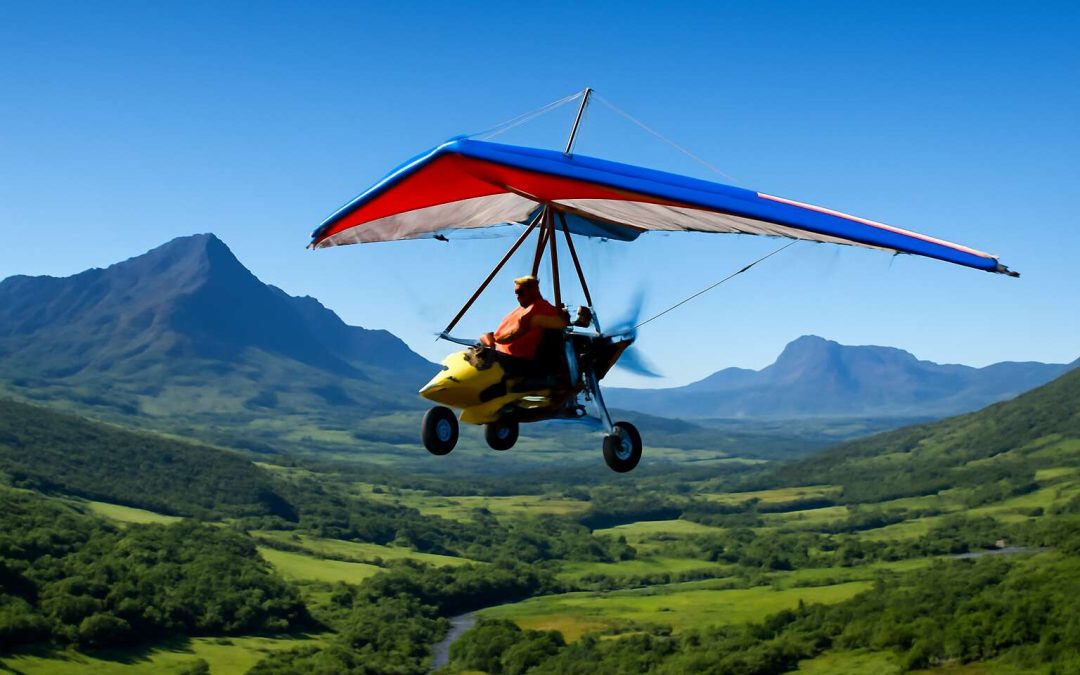
Microlight flight in Tignes offers an extraordinary gateway to the skies, where the boundaries of traditional aviation dissolve into an intimate dance with the wind. Unlike conventional aircraft, microlights are lightweight, agile, and designed for a more visceral connection with the environment. They provide an unfiltered perspective—an exhilarating blend of freedom and introspection that elevates the soul.
What makes microlight aviation in Tignes so compelling is its ability to navigate terrain that seems almost surreal from above. These aircraft are not just modes of transport—they are vessels of human curiosity, designed for the bold and the seeking. The thrill lies not only in the flight itself but in the subtle, almost philosophical awareness of being suspended between earth and sky.
- Lightweight construction allows for exceptional maneuverability.
- Open cockpit experiences foster a deeper connection with nature.
- Accessible to both beginners and seasoned pilots, offering diverse adventure levels.
In Tignes, the landscape becomes a living canvas—an ever-changing tapestry that invites a profound reflection on our place within it. Flying microlight in Tignes is more than an activity; it’s a journey into the essence of flight itself, where each moment of airborne serenity becomes a testament to human daring and the infinite possibilities of the sky.
Why Choose Tignes for Microlight Experiences – Unique features of Tignes’ landscape and climate that enhance microlight flying
In the realm of microlight tignes, few experiences can rival the sheer poetry of soaring above the Alpine wonderland. Tignes’ landscape is a masterpiece painted with jagged peaks, shimmering lakes, and verdant valleys—an untouched canvas that rewards the adventurous pilot with vistas so breathtaking, they seem almost surreal. The region’s crisp, alpine air, coupled with a climate that offers clear, stable skies for most of the year, makes it an ideal playground for microlight enthusiasts seeking both thrills and serenity.
What truly elevates the microlight tignes experience is its unique terrain, which invites pilots to navigate through narrow mountain passes and around towering summits—an exhilarating challenge that tests skill and ignites the spirit. The region’s ever-changing weather patterns add an element of unpredictability, making each flight a symphony of sensations. Whether you are a seasoned aviator or a curious beginner, the landscape’s dramatic contours and the invigorating mountain air transform every flight into a poetic dance with the sky.
For those seeking an adventure that fuses natural grandeur with personal daring, microlight tignes offers an unrivaled setting. Its distinctive combination of alpine topography and reliable climate conditions ensures that every flight is not just an activity, but a journey into the very heart of flight’s purest form. Truly, in Tignes, flying becomes an art—an intimate communion with the sky that leaves an indelible mark on the soul.
Best Microlight Experience in Tignes
Popular Flight Routes and Scenic Tours – Highlighting top routes and panoramic views around Tignes
Few experiences ignite the spirit of adventure quite like a microlight flight over Tignes. With its dramatic alpine terrain and shimmering lakes, Tignes offers a backdrop that transforms every flight into a visual symphony of nature’s grandeur. The top routes reveal panoramic vistas that leave even seasoned explorers breathless, from snow-capped peaks to lush green valleys that stretch beyond the horizon.
For those seeking the most breathtaking scenic tours, the popular flight routes around Tignes are carefully curated to showcase hidden gems and iconic landmarks. Imagine soaring above crystal-clear Lac de Tignes, then gliding towards the jagged peaks of the Vanoise massif—each turn revealing a new masterpiece painted by Mother Nature herself. Whether you prefer a gentle cruise or an exhilarating dash through the skies, microlight tignes promises an unforgettable adventure.
To elevate your experience, consider a guided scenic tour that includes multiple vantage points—each offering a unique perspective on Tignes’ rugged beauty. From the dizzying heights over mountain passes to the serene lakes nestled in alpine meadows, every route is an invitation to discover the extraordinary from an entirely new angle. It’s not just a flight; it’s a voyage into the heart of the mountains that surround Tignes.
Types of Microlight Aircraft Available – Different models and their features suitable for various skill levels
In the realm of microlight tignes, the variety of aircraft available transforms each flight into an immersive experience tailored to every adventurer’s appetite for thrill and finesse. From sleek, high-performance models designed for seasoned pilots to more forgiving, easy-to-handle aircraft suited for beginners, the options are as diverse as the landscape itself. The intricate craftsmanship and technological sophistication of these microlights ensure safety without sacrificing the exhilarating essence of flight.
Among the most popular choices are the lightweight trikes and advanced fixed-wing aircraft, each offering distinct features that cater to different skill levels. Trikes, with their open-air cockpit and intuitive controls, provide an intimate communion with the alpine air, making them ideal for those new to microlight flying. Conversely, the more advanced models boast aerodynamic efficiency and stability, perfect for experienced pilots seeking a seamless, smooth glide over Tignes’ majestic terrain.
- Open cockpit designs for immersive scenic views
- Enhanced stability features for safety-conscious pilots
- Variable engine power options to suit different flying styles
Whether you’re embarking on your first microlight tignes adventure or seeking a more robust aircraft for multiple flights, the selection ensures an experience that’s both memorable and tailored to your flying competence. Each model embodies the spirit of freedom that defines microlight aviation, inviting explorers to soar over the breathtaking vistas with confidence and awe.
Microlight Flight Schools and Rentals in Tignes
Top Flight Schools and Instructors – Reputable training centers and experienced pilots
In the shadowed realm of airborne adventure, microlight tignes beckons those daring enough to embrace the whispering wind and the haunting silence of the mountains. The top microlight flight schools in Tignes are sanctuaries of mastery, where seasoned pilots and reputable training centers forge the next generation of skybound wanderers. Each instructor’s expertise is a testament to their dedication, guiding novices through the labyrinth of aeronautical mystique with a steady hand and an unwavering gaze.
For those craving the thrill of flight, rental options abound, offering access to a fleet of meticulously maintained microlight aircraft that seem to pierce the very fabric of the sky. Whether you seek a gentle glide across the jagged peaks or an exhilarating dash through the alpine mists, these flight schools promise an experience soaked in both thrill and safety. The allure of microlight tignes lies not just in the flight itself, but in the haunting beauty of the landscape—the mountains whisper secrets as you soar above, their ancient shadows casting a spell of wonder and awe.
Rental Services and Booking Tips – How to rent microlight aircraft and best practices for reservations
In the shadowed silence of Tignes, where the mountains carve an ancient cathedral into the sky, the art of microlight flying becomes a dance with the divine. For those eager to taste the thrill of flight, microlight Tignes offers an ethereal gateway into the heavens. Securing your place among the clouds begins with trusted rental services that craft seamless booking experiences, ensuring your journey into the sky is nothing short of mystical.
Reputable microlight flight schools in Tignes provide not only expert instruction but also meticulously maintained aircraft that seem to whisper secrets of the wind. To simplify your quest, consider these best practices for reservations:
- Plan your flight schedule well in advance, especially during peak seasons when the mountain air is most alive.
- Confirm the aircraft type best suited for your skill level—whether a nimble two-seater or a more robust model for longer scenic tours.
- Communicate clearly with your instructor or rental service about your desired routes and experience level to tailor the adventure perfectly.
Whether you seek a gentle glide beneath the shadowy spires or an adrenaline-fueled dash through alpine mists, the microlight Tignes experience demands both preparation and reverence for the wild beauty that surrounds you. Booking your flight with precision ensures that your ascent into the unknown becomes a hauntingly beautiful chapter of your story among the mountains.
Safety and Regulations for Microlight Flying in Tignes
Legal Requirements and Certification – Licensing, insurance, and compliance standards
Safety and regulation are the backbone of any memorable microlight experience, especially in the breathtaking landscapes of Tignes. When exploring microlight tignes, understanding the legal requirements and certification standards is crucial to ensure a secure adventure. The skies over Tignes demand adherence to strict licensing and insurance protocols that safeguard both pilot and passenger. Regulatory bodies mandate that all microlight pilots hold valid licenses, demonstrating their expertise and understanding of local airspace rules.
In addition, compliance with aviation standards is non-negotiable. The aircraft used for microlight tignes flights must undergo rigorous inspections and meet specific safety criteria. For enthusiasts and newcomers alike, it’s vital to verify that your chosen operator adheres to these standards, providing peace of mind while soaring through the alpine air. Remember, a well-regulated environment not only enhances safety but also elevates the thrill of flying in one of the most scenic regions of the world.
- Licensed pilots with recognized certifications
- Comprehensive insurance coverage for all flights
- Aircraft maintained to strict safety standards
- Compliance with European microlight regulations
By prioritizing these safety measures and regulations, every microlight tignes adventure becomes a memorable journey—crafted with confidence, skill, and respect for the sky. It’s the perfect way to unlock the mysteries of Tignes from a perspective few get to experience.
Safety Measures and Tips for Enthusiasts – Precautions and best practices for safe flights
Flying a microlight over Tignes is a symphony of freedom and awe—an experience that demands unwavering attention to safety and regulation. The rugged beauty of the French Alps calls for pilots to adhere strictly to licensing standards, ensuring each flight is both exhilarating and secure. Certified pilots with recognized licenses embody the trust and professionalism essential for exploring microlight tignes with confidence.
Safety measures extend beyond pilot credentials. All aircraft used for microlight tignes flights must undergo rigorous inspections, with maintenance performed according to strict safety standards. For enthusiasts, verifying that your chosen operator complies with European microlight regulations guarantees a smooth, worry-free adventure. Remember, a well-regulated environment doesn’t just protect—it elevates the entire experience, allowing you to embrace the thrill of flying amidst Tignes’ stunning landscapes.
To optimize safety, many experienced pilots recommend following these essential precautions:
- Always check the weather forecast before your flight, as alpine conditions can change rapidly.
- Ensure your pilot is fully licensed and certified, with comprehensive insurance coverage in place.
- Inspect the aircraft thoroughly, paying attention to safety features and maintenance records.
By respecting these safety protocols, every microlight tignes adventure transforms into a memorable journey—crafted with skill, care, and a profound respect for the sky. Flying here isn’t just about the views; it’s about experiencing the harmony between adventure and safety, making each flight a treasured memory amidst the alpine grandeur.
Best Times to Experience Microlight Flights in Tignes
Seasonal Considerations – Optimal seasons for flying and weather conditions to note
Timing your microlight tignes experience can significantly enhance the thrill and safety of your flight. The best times to enjoy microlight flights in Tignes are during the late spring to early autumn months, roughly from June to September. During this period, the weather tends to be more stable, with clear skies and mild temperatures creating ideal flying conditions. The crisp mountain air and extended daylight hours mean you’re more likely to catch those breathtaking panoramic views without the interference of fog or snow.
Weather conditions are a crucial factor to consider. Strong winds, thunderstorms, or heavy snowfall can disrupt microlight flights, making certain seasons less suitable for flying. Winter months, although visually stunning with snow-covered peaks, pose logistical challenges for microlight tignes due to increased wind instability and safety concerns. Conversely, summer offers calmer skies and significantly better visibility, ensuring a safer and more enjoyable flight experience.
For those seeking optimal conditions, planning your microlight tignes adventure during late June through August maximizes scenic vistas and minimizes weather-related disruptions. Always check local weather forecasts and consult with experienced instructors or operators beforehand—safety and clarity should always come first in this exhilarating pursuit!
Special Events and Promotions – Festivals, discounts, and special offers for microlight flights
Throughout the year, a select handful of moments transform microlight tignes into an extraordinary spectacle. Special events and seasonal promotions turn this adventure into a celebration of flight, beauty, and community. During the vibrant summer festivals, operators often offer exclusive discounts that invite newcomers and seasoned pilots alike to experience the thrill of soaring over Tignes’ majestic peaks. These occasions are perfect for capturing the essence of alpine grandeur, all while enjoying attractive prices that make microlight flights more accessible than ever.
In addition to seasonal festivities, many microlight operators in Tignes roll out special offers during peak periods like late June and August. These promotions often include bundled scenic tours or introductory flights designed for first-timers eager to embrace the sky. Keep an eye out for limited-time discounts, which can provide an unforgettable aerial adventure at a fraction of the standard cost. Whether celebrating local festivals or taking advantage of early booking deals, the best times to experience microlight tignes are sprinkled throughout the warmer months, when the weather aligns perfectly with these captivating opportunities.
To further elevate your experience, some companies host themed flying events—think summer solstice celebrations or autumn harvest festivals—adding a layer of cultural richness to your flight. These special occasions often feature promotional packages and unique scenic routes that showcase Tignes from an entirely new perspective. So, whether it’s a summer festival or a seasonal promotion, the window to indulge in microlight tignes with added value is as inviting as the panoramic vistas awaiting above.
How to Prepare for Your Microlight Adventure in Tignes
What to Wear and Bring – Clothing, accessories, and essentials for a comfortable flight
Embarking on a microlight tignes adventure promises breathtaking vistas and an exhilarating sense of freedom. To ensure your flight is both comfortable and unforgettable, proper preparation is essential. The right clothing can make all the difference—think layers that keep you warm without restricting movement, especially given Tignes’ high-altitude climate. A lightweight, windproof jacket paired with thermal underlayers provides optimal protection against the crisp mountain air.
Accessories like sunglasses or goggles are vital for shielding your eyes from glare, while a snug hat or headband helps retain warmth. Don’t forget essentials such as sunscreen, even on cloudy days, because the mountain sun can be surprisingly intense. For a smooth experience, bring along a small backpack with water, a energy snack, and a camera to capture the spectacular scenery. When planning your microlight tignes flight, it’s also wise to check the weather forecast to avoid flights during adverse conditions, ensuring safety and maximum enjoyment.
Physical Preparation and Recommendations – Health considerations and tips for first-time flyers
Preparing for a microlight tignes adventure isn’t just about packing the right gear; it’s about ensuring your body is ready to embrace the thrill of flight. First-time flyers should pay close attention to their physical condition. A moderate level of fitness can significantly enhance your experience, helping you stay relaxed and comfortable during the flight. If you’re prone to motion sickness, consider consulting a healthcare professional beforehand, as the sensation of flying in a microlight aircraft can be exhilarating yet disorienting for some.
Hydration is crucial—drink plenty of water before your flight to prevent dehydration at high altitudes. Additionally, avoid heavy meals that might cause discomfort while airborne. To bolster your comfort, wear layered clothing—think thermal base layers topped with windproof outerwear. This approach will help you adapt to fluctuating temperatures in Tignes’ alpine environment. Remember, safety and enjoyment go hand in hand when preparing for your microlight tignes experience, so listen to your body and take necessary precautions for a smooth flight.
Customer Experiences and Testimonials
Reviews from Enthusiasts – Personal stories and highlights from previous passengers
Few adventures deliver the adrenaline rush and breathtaking vistas quite like a microlight flight over Tignes. Enthusiasts often share stories of their airborne escapades, painting vivid pictures of the rugged alpine scenery unfolding beneath them. One thrill-seeker exclaimed, “It’s like flying through a postcard—every turn reveals a new masterpiece of nature’s artistry.”
Many passengers highlight the sense of freedom that comes with soaring above the pristine Tignes landscape. From snow-capped peaks to shimmering lakes, the scenery is simply mesmerizing. Testimonials often mention the professionalism of instructors and the smooth handling of the microlight aircraft, which makes even nervous first-timers feel at ease. For those who crave an authentic adventure, these personal stories serve as compelling proof that microlight Tignes is a must-do for any thrill-seeker or nature lover.
Photo Galleries and Video Highlights – Visual documentation of microlight flights over Tignes
Nothing captures the essence of adventure quite like witnessing the awe-inspiring beauty of Tignes from a microlight aircraft. For many, these exhilarating flights are etched into their memory as a symphony of sights and sensations — a delicate dance between adrenaline and serenity. Customer experiences and testimonials flow like a river of vivid impressions, each recounting a unique journey through the skies above the French Alps. The sheer diversity of landscapes—snow-dusted peaks, crystalline lakes, and lush valleys—unfolds in breathtaking panoramas, often leaving passengers speechless.
Visual documentation through photo galleries and video highlights offers an immersive glimpse into what makes microlight Tignes such a coveted experience. These images capture moments of pure liberation—pilots grinning ear to ear, the landscape stretching infinitely in all directions, the wind whispering secrets of the mountains. Such media serve as both inspiration and proof of the boundless adventure awaiting those daring enough to take to the skies. Whether shared on social media or kept as treasured mementos, these visuals deepen the allure of microlight Tignes, inviting enthusiasts and first-timers alike to envision their own airborne odyssey.
Additional Activities and Attractions in Tignes
Other Adventure Sports – Paragliding, skiing, mountain biking
Beyond the exhilarating realm of microlight tignes, the region beckons adventure seekers with a tapestry of activities that complement the sky-high thrill of flight. Tignes is renowned not just for its soaring microlight experiences but also as a hub for adrenaline-fueled pursuits that immerse visitors in its rugged, alpine wilderness. Paragliding offers a seamless extension of the aerial adventure, allowing enthusiasts to glide gracefully over the pristine valleys and jagged peaks that define this extraordinary landscape.
For those who crave ground-based excitement, mountain biking trails weave through the alpine terrain, offering a visceral connection to Tignes’ natural beauty. Skiing remains a perennial favorite, transforming the snowy expanses into a playground for winter sports aficionados. Whether carving icy pistes or exploring cross-country routes, visitors find themselves enveloped in a winter wonderland that perfectly complements their microlight tignes experience. The region’s diverse attractions ensure that every adventurer’s appetite for thrill and discovery is fulfilled, making it a premier destination for multifaceted mountain pursuits.
Local Culture and Cuisine – Dining options and cultural insights for visitors
Beyond the adrenaline rush of microlight Tignes, the region offers a tapestry of cultural and culinary delights that deepen every visit. Tignes’ vibrant local culture is woven into its alpine landscape, where traditional Savoyard architecture and warm, inviting villages tell stories of centuries past. Visiting local markets provides a sensory immersion into regional life, with fresh cheeses, cured meats, and artisanal crafts reflecting the area’s rich heritage.
When it comes to cuisine, Tignes boasts a diverse array of dining options that cater to every palate. From cozy mountain chalets serving hearty fondue to gourmet restaurants offering inventive French cuisine, every meal becomes a celebration of local flavors. For those eager to explore further, here is a glimpse of typical Tignes dining experiences:
- Sampling the renowned Savoyard raclette or tartiflette at mountain eateries.
- Enjoying après-ski in lively taverns filled with local music and conviviality.
- Exploring international cuisines that reflect Tignes’ cosmopolitan allure.
Delving into Tignes’ cultural scene reveals a community rooted in alpine traditions yet welcoming modern influences. Visitors often find themselves enchanted by local festivals celebrating mountain life, where folklore performances and craft fairs showcase the region’s enduring spirit. Whether indulging in regional cuisine or participating in cultural festivities, every aspect of Tignes invites a profound connection to its heritage—an experience that complements the thrill of microlight Tignes and elevates the entire adventure.
by | Sep 10, 2025 | Blog
Definición de Microlight
Qué es un microlight – Explicación básica del microlight y su naturaleza como aeronave ligera
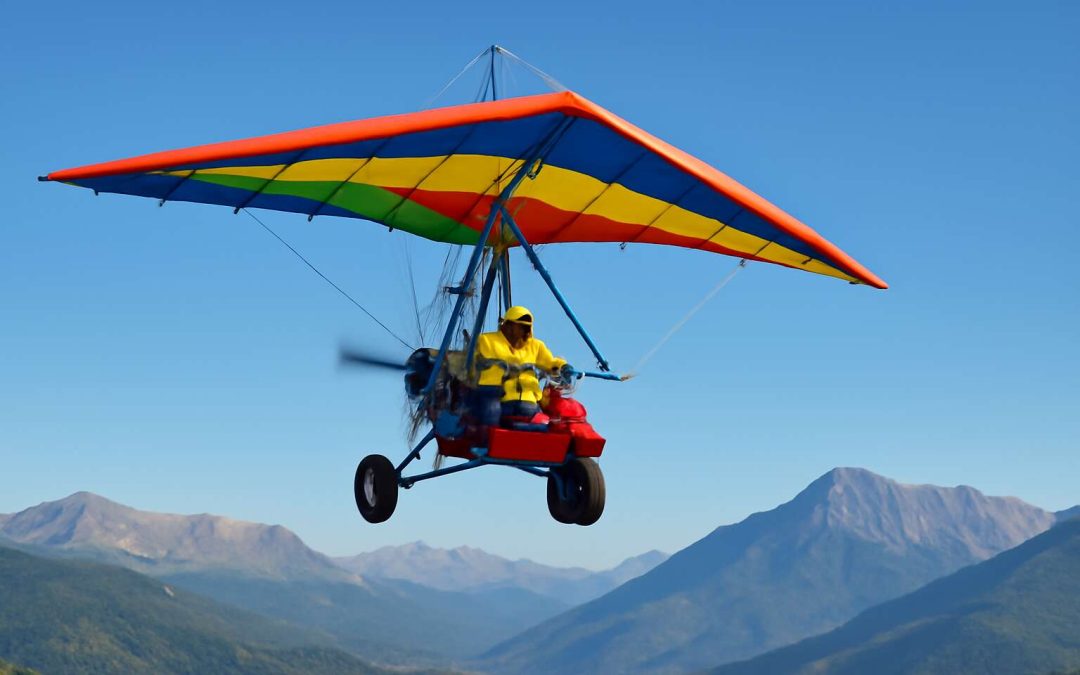
In the vast tapestry of aviation, the term microlight que es echoes like a whisper of freedom—a lightweight marvel that transforms the sky into a boundless playground. A microlight, at its essence, is an elegant synthesis of simplicity and adventure, a diminutive aircraft designed to soar with minimal weight yet maximum thrill. Its very nature as a aeronave ligera makes it accessible, inviting enthusiasts to embrace the skies without the encumbrance of traditional aircraft complexity.
Imagine a vessel that combines the grace of a bird with the ingenuity of human engineering—this is the spirit of a microlight. It is crafted to be remarkably light, often weighing less than 450 kilograms, yet capable of delivering an experience that rivals much larger aircraft. The magic of the microlight que es lies in its ability to blend simplicity with functionality, making flight an attainable dream for many.
- Ease of maneuverability
- Cost-effective operation
- Freedom to explore the skies with minimal restrictions
Distinción entre microlight y otros tipos de aeronaves – Comparación con ultraligeros, paramotors y aviones tradicionales
In the realm of aviation, understanding what a microlight que es is reveals a fascinating world of lightweight flight. Unlike traditional aircraft, microlights are designed to be nimble, economical, and accessible. They are distinguished by their minimal weight and simplified construction, making them a captivating alternative for aviation enthusiasts.
When comparing a microlight to other aircraft types, the differences become striking. For instance, ultralight aircraft tend to be larger and more robust, often requiring more extensive licensing and maintenance. In contrast, microlight que es emphasizes ease of operation and affordability, allowing more people to experience the thrill of flight.
Furthermore, the world of personal flight extends beyond microlights, including paramotors and small traditional planes. While paramotors are ultra-portable and ideal for short, exhilarating flights, they lack the cockpit comfort of a microlight. Conversely, small airplanes—more akin to their larger counterparts—offer longer-range capabilities but at a higher cost and complexity.
- Microlights are lightweight, typically under 450 kg.
- They provide a unique blend of simplicity and agility.
- Compared to ultralights, they often feature better stability and control.
Understanding what a microlight que es is, involves appreciating its role as a gateway to the skies—an aircraft that invites adventure without the burden of heavy machinery. Its distinction from ultralight aircraft, paramotors, and traditional planes underscores its charm: a perfect balance of accessibility, thrill, and simplicity.
Aspectos legales y regulaciones – Normativas relevantes en diferentes países y su impacto
Understanding the legal landscape surrounding microlight que es is crucial for enthusiasts and professionals alike. Regulations vary significantly across different countries, influencing how and where these aircraft can operate. In South Africa, for instance, the Civil Aviation Authority (CAA) has established clear standards that govern microlight flights, emphasizing safety and pilot training. These rules help maintain a balance between accessibility and security, allowing more people to enjoy the freedom of microlight flying.
Global regulations tend to follow similar principles, often including requirements for pilot certification, aircraft registration, and operational limitations. In some regions, microlight que es is regulated under specific categories that exempt them from the more rigorous rules applied to larger aircraft. However, in others, strict licensing procedures are in place, impacting how easily new pilots can get started. Understanding these norms is essential for compliance and safe flying.
For those interested in the regulatory aspects, here’s a quick overview:
- Registration and licensing requirements
- Weight and speed limitations
- Operational zones and airspace restrictions
Adhering to these regulations ensures safe skies and helps promote the growth of microlight flying in South Africa and beyond. The evolving legal framework underscores the importance of informed flying and the shared responsibility of pilots and authorities in maintaining safety standards.
Características Técnicas de los Microlights
Diseño y estructura – Materiales, tamaño y peso máximo permitido
When exploring the realm of microlight que es, the technical characteristics of these aircraft reveal a fascinating blend of engineering ingenuity and minimalist design philosophy. Their structure, often crafted from lightweight materials such as aluminum alloys and reinforced composites, exemplifies the delicate balance between strength and weight. This meticulous choice of materials ensures optimal performance while maintaining safety standards.
The size and weight restrictions of microlights are pivotal to their classification. Typically, these aircraft are designed to be compact, with a maximum takeoff weight that generally does not exceed 450 kilograms, depending on regional regulations. This deliberate limitation not only facilitates ease of handling but also contributes to their agility in the air, making them ideal for recreational pilots seeking freedom with minimal bureaucratic hurdles.
Regarding design and structure, microlights often feature a tricycle or tailwheel undercarriage, a simple yet resilient fuselage, and a lightweight wing configuration. The overall dimensions are optimized for efficiency and maneuverability, embodying the essence of lightweight aviation. This careful engineering ensures that microlight que es is not just an aircraft—it’s a gateway to exploring the skies with a sense of intimacy and control that larger aircraft cannot match.
Motor y rendimiento – Potencia, consumo y velocidad máxima
The heart of any microlight que es lies in its motor and performance capabilities, where engineering artistry meets the thrill of flight. These aircraft are equipped with compact yet powerful engines that deliver just the right amount of thrust to elevate pilots into the sky with grace and agility. Typically, the engines used in microlights are lightweight, air-cooled, and fuel-efficient, allowing for impressive performance without sacrificing safety or endurance.
Performance metrics such as maximum speed, fuel consumption, and power output are meticulously balanced to optimize each flight. Most microlights reach a maximum speed of around 100 to 120 knots, making them both nimble and accessible for recreational pilots. Their fuel consumption is remarkably economical, often averaging between 10 to 15 liters per hour, which adds to their appeal as an affordable and environmentally conscious choice for flying enthusiasts. The power of the engine directly influences the overall performance, with many models featuring engines in the 80 to 100 horsepower range, ensuring a lively yet controlled flight experience.
In terms of technical characteristics, the combination of engine power and aerodynamic design creates a seamless harmony that defines what makes a microlight truly special. The balance between performance and efficiency not only highlights the ingenuity behind microlight que es but also underscores their status as the pinnacle of lightweight aviation innovation!
Capacidad y transporte – Número de ocupantes y restricciones de carga
One of the defining features of a microlight que es is its capacity for intimacy and freedom — a true escape into the vast skies. These aircraft are designed to carry only one or two occupants, emphasizing lightweight construction and streamlined efficiency. The typical maximum load capacity is carefully regulated to ensure safety without compromising performance, often restricting cargo to a few kilograms to maintain balance and agility.
Restrictions on carga (cargo) are essential to preserve the delicate harmony between weight and aerodynamics. Excess weight can hinder the aircraft’s ability to climb or maneuver effectively, making adherence to load limits vital for safe and enjoyable flights. In practice, this means pilots must be meticulous about what they carry — every ounce counts when soaring through the open air.
By focusing on these technical nuances, the microlight que es reveals itself as a marvel of engineering ingenuity — a lightweight, nimble aircraft that offers unparalleled flying experiences while respecting strict capacity constraints. The delicate dance of capacity and restriction underscores the essence of microlights as the epitome of personal aviation excellence!
Tipos de Microlights
Ultraligeros – Características principales y ejemplos populares
When exploring the world of microlight que es, understanding the diversity of ultralight aircraft is essential. These aircraft come in various types, each designed with unique features to suit different flying preferences. Among the most popular are fixed-wing microlights, which resemble scaled-down airplanes, and weight-shift control trikes, offering a more relaxed flying experience. Their main characteristics often include lightweight frames, minimalistic design, and impressive agility that makes them perfect for both beginners and seasoned pilots.
Some common examples of microlights ultraligeros include the Falcon ultralight, renowned for its sleek design and reliability, and the Air Creation trike, appreciated for its ease of handling. These aircraft typically prioritize simplicity and safety while providing an exhilarating way to experience flight firsthand. Whether it’s a two-seater for adventure or a single-seater for sport, each microlight que es is crafted to maximize performance within strict regulations. This blend of innovation and regulation fuels the fascination surrounding these extraordinary flying machines!
Paramotores – Funcionamiento y ventajas
Within the shadowy realms of flight, the world of microlight que es reveals a tapestry woven with innovation and daring. Among the myriad types of microlights, paramotores emerge as a unique and captivating variant, where the engine’s hum becomes a heartbeat in the silence of the sky. These motorized wings, suspended beneath a lightweight frame, operate with a simple yet mesmerizing principle: thrust combined with the pilot’s skill crafts a dance in the air that feels both primal and modern.
What sets paramotores apart in the universe of microlight que es is their extraordinary versatility. They excel in offering a low-impact, exhilarating experience, often described as a bird’s-eye view of the world’s hidden corners. Their advantages are manifold: ease of setup, minimal regulatory hurdles, and the ability to take off from almost any open space. For those seeking a visceral connection to the skies, paramotores provide a gateway that is both accessible and profoundly liberating.
Some of the most compelling aspects of microlight que es are rooted in their design simplicity and operational efficiency. They are perfect for pilots who crave the thrill of flight but prefer to avoid the complexities of traditional aircraft. Their lightweight construction, combined with powerful yet economical engines, makes them ideal for exploring the skies while conserving fuel and reducing environmental impact. As a result, paramotores have become a symbol of freedom—an extension of human aspiration, wrapped in fabric and fuel!
Automóviles voladores y otros – Innovaciones y tendencias emergentes
When exploring the fascinating realm of microlight que es, innovation is constantly pushing the boundaries of what these diminutive aircraft can do. Among the emerging trends, flying cars and other radical designs are capturing imaginations worldwide, promising a future where the sky might just be the new highway. These innovative machines blend technology with a touch of science fiction, transforming the traditional concept of personal flight into something more akin to a scene from a futuristic movie.
One notable trend is the development of *flying automobiles*, which aim to combine the convenience of cars with the freedom of flight. While still in experimental stages, these vehicles leverage lightweight materials and advanced propulsion systems to achieve vertical takeoff and landing capabilities. Alongside these, other microlight que es variants, such as electric-powered wings and hybrid models, are emerging as more sustainable options. As the industry evolves, expect to see an array of designs that challenge conventional notions of aviation and transportation.
Ventajas del Uso de Microlights
Costo y accesibilidad – Precio, seguros y superficies de aterrizaje
When exploring the fascinating world of microlight que es, one of the most alluring aspects is its affordability. These compact aircraft are designed to be budget-friendly, making the dream of flying more accessible than ever. The initial price tag for a microlight can be surprisingly modest, especially when compared to traditional aircraft. Plus, the ongoing costs—such as insurance and maintenance—are generally lower, which is a bonus for aspiring pilots looking to take to the skies without breaking the bank.
Another advantage is the simplicity of landing surfaces required for microlights. Unlike larger planes that need expansive runways, these nimble aircraft can operate from small, even makeshift, airstrips. This flexibility opens up a world of possibilities for adventure seekers and hobbyists alike. When considering the cost and accessibility of microlight que es, it’s clear why they’re booming as a popular choice for those craving flight freedom without the hefty price tag.
- Low purchase price and lower insurance premiums
- Ability to land on small, unimproved surfaces
- Reduced operational costs, making flying more accessible
Facilidad de pilotaje – Requisitos de entrenamiento y licencias
In the shadowy realm of flight, the ease with which one can take to the skies hinges on the simplicity of the craft. When considering microlight que es, the ease of pilotaje emerges as one of its most compelling ventajas. Unlike traditional aircraft that demand rigorous training, many microlights are designed for intuitive operation, making them accessible even to beginners. This streamlined pilotaje process is complemented by modest training requirements and straightforward licensing procedures, allowing enthusiasts to ascend into the heavens with relative ease.
For those captivated by the allure of flight without the labyrinth of complex certification, the path is surprisingly clear. Many countries have simplified regulations for microlight que es, recognizing their role as an entry point into aviation. This accessibility is further enhanced by the minimal operational complexity—no need for extensive ground support or elaborate safety protocols—making flying a less daunting pursuit. The blend of simplicity and safety makes microlights a popular choice for adventurers eager to explore the skies with minimal fuss.
- Basic training courses often last just a few days, focusing on fundamental controls and safety protocols.
- Licensing requirements are typically scaled to the craft’s lightweight and low-impact nature.
- Most pilots can attain certification faster, enabling them to enjoy their passion sooner and with less bureaucratic hassle.
Experiencia de vuelo – Perspectiva única y libertad en el aire
Experiencing flight in a microlight offers a perspective unlike any other—an intimate dance with the sky that fosters a profound sense of freedom. When considering microlight que es, it becomes clear that these lightweight aircraft provide a unique opportunity to explore the world from a bird’s-eye view without the complexities of traditional aviation. The sensation of gliding effortlessly through the air, with the horizon stretching endlessly, is an invigorating experience that appeals to both adventurers and aviation enthusiasts alike.
One of the most compelling ventajas del uso de microlights is the feeling of liberation they offer. Unlike larger planes, microlights enable pilots to navigate with agility and spontaneity, making every flight an adventure. Whether flying over scenic landscapes or simply enjoying the tranquility of the open sky, pilots often describe it as a deeply personal and exhilarating experience. The simplicity of these aircraft allows for a direct connection with the environment, fostering a sense of harmony and control that is seldom found elsewhere in aviation.
Consideraciones y Riesgos al Volar un Microlight
Condiciones climáticas – Impacto del viento, lluvia y visibilidad
Venture into the skies with a clear understanding of the microlight que es—a marvel of modern aviation that offers an exhilarating yet delicate dance with nature. One of the key considerations when flying a microlight is the weather, which can turn from a gentle breeze to a turbulent ordeal in the blink of an eye. Wind speed and direction are particularly influential; a slight gust can sway these nimble aircraft far more than traditional planes. Rain, often perceived as a mere nuisance on the ground, becomes a significant hazard aloft, impairing visibility and compromising control. Visibility, in fact, is paramount; fog, mist, or heavy cloud cover can obscure the horizon, transforming a peaceful flight into a perilous endeavor.
- Wind turbulence
- Rain and moisture accumulation
- Reduced visibility due to weather conditions
These factors underscore the importance of meticulous weather assessment before taking to the skies. Pilots must weigh these risks carefully, especially since microlight que es emphasizes lightweight, agility, and responsiveness—traits that can be both an advantage and a vulnerability in adverse weather.”
Mantenimiento y seguridad – Revisión técnica y equipo de seguridad
Volar un microlight que es, no solo requiere pasión por la aventura, sino también un compromiso riguroso con la seguridad y el mantenimiento. La revisión técnica periódica de estos ingeniosos vehículos aéreos es fundamental para garantizar su correcto funcionamiento. Un microlight que no esté en óptimas condiciones puede convertirse en una fuente de peligros inesperados en pleno vuelo.
El equipo de seguridad también juega un papel crucial. Desde paracaídas de emergencia hasta sistemas de comunicación confiables, cada componente debe estar en perfectas condiciones. La atención a estos detalles puede marcar la diferencia entre una experiencia memorable y una situación de riesgo.
- Inspección del motor
- Verificación de las alas y estructura
- Revisión de los instrumentos de vuelo
En definitiva, volar un microlight que es una actividad que combina libertad y precisión. La seguridad y el mantenimiento no son solo requisitos, sino la base que permite disfrutar del vuelo con plena tranquilidad, sabiendo que cada componente ha sido revisado con meticulosidad. Así, cada aventura en el aire se convierte en un recuerdo imborrable, lleno de emoción y respeto por la aeronave y sus límites.
Recomendaciones para pilotos principiantes – Formación, prácticas seguras y permisos
Volar un microlight que es una experiencia que combina la libertad del cielo con la precisión de un reloj suizo. Sin embargo, para los pilotos principiantes, comprender las consideraciones y riesgos al volar un microlight que es fundamental para disfrutar de manera segura y responsable. La formación adecuada es el primer paso; no basta con desear volar, hay que dominar las habilidades esenciales y entender las condiciones del aire.
Recomendaciones clave incluyen realizar prácticas seguras y obtener los permisos necesarios, ya que cada país tiene regulaciones específicas para estos ingeniosos vehículos aéreos. La instrucción debe ser rigurosa, cubriendo aspectos como maniobras de emergencia, interpretación de instrumentos y manejo del motor. La experiencia en vuelo, combinada con un conocimiento profundo de las limitaciones del microlight que es, garantiza que cada travesía sea una aventura segura y memorable.
¿Dónde y Cómo Practicar el Vuelo en Microlight?
Lugares adecuados – Aeródromos, clubs y espacios autorizados
Practicing flight in a microlight is an experience that transcends mere recreation, offering a visceral connection to the boundless skies. When considering microlight que es, it’s essential to identify suitable locales where safety and regulation coalesce seamlessly. Aeródromos, designated clubs, and authorized spaces serve as sanctuaries for enthusiasts eager to embrace the freedom of flight. These sites are not randomly chosen; they are meticulously structured to ensure optimal conditions, proper maintenance, and adherence to the legal frameworks governing microlight operations.
In South Africa, the landscape offers diverse options—from the expansive plains near aerodromes to specialized clubs that foster community and knowledge sharing. Access to these spaces often requires formal training and certification, ensuring that every pilot understands the nuances of microlight flying. The experience becomes even more exhilarating when navigating open fields that meet the necessary safety standards, providing both a thrill and peace of mind. Ultimately, selecting the right location is a vital step in fully appreciating the unique allure of microlight que es.
Cursos y formación – Escuelas certificadas y requisitos para obtener licencia
Embarking on the journey of microlight que es opens a world of exhilarating possibilities. But where and how can enthusiasts practice this captivating sport? The answer lies in carefully chosen locations and comprehensive training programs. South Africa, with its diverse landscapes and thriving aviation community, offers an array of options for aspiring pilots.
Most practice flights occur at certified aerodromes, where safety standards are meticulously maintained. These aerodromes provide the ideal environment for beginners and seasoned pilots alike to hone their skills. Additionally, specialized clubs serve as hubs for learning, networking, and sharing experiences. Many of these clubs are equipped with trained instructors and adhere strictly to national aviation regulations.
To ensure a safe and legal flying experience, aspiring microlight pilots must undergo formal courses at recognized schools. These schools, often listed among the top in South Africa, require students to meet specific prerequisites, including age, medical fitness, and a clean aviation record. The training typically covers navigation, safety protocols, and the fundamentals of microlight que es, culminating in a licensing process that authorizes flight operations.
Eventos y competencias – Reuniones de pilotos y demostraciones
For aviation enthusiasts eager to explore the skies with a microlight, understanding where and how to practice is essential. South Africa’s scenic landscapes and vibrant aviation community provide an ideal backdrop for engaging in this exhilarating sport. Most practice flights take place at certified aerodromes, which meet strict safety standards and ensure a secure environment for pilots of all levels.
Beyond aerodromes, numerous clubs serve as social hubs for pilots, offering opportunities for networking, sharing experiences, and attending demonstrations. These gatherings often feature showcases of the latest models and flying techniques, making them a valuable resource for those interested in microlight que es. Participating in events and competitions not only enhances skills but also deepens understanding of the craft’s nuances and capabilities.
To experience the thrill of flight legally and safely, aspiring pilots typically attend courses at recognized schools. These programs often include practical training, orientation on navigation and safety protocols, and culminate in obtaining the necessary license. Whether it’s a local event or an organized fly-in, these activities foster a community of passionate individuals united by their love for light aircraft and the freedom of flight.
Perspectivas Futuras del Microlight
Innovaciones tecnológicas – Nuevos materiales, motores y sistemas de navegación
As the skies become a playground for innovation, the future of microlight que es (what a microlight is) looks brighter than ever. Cutting-edge technological advancements are redefining how these lightweight aircraft perform and how pilots experience flight. Imagine new materials that make the frame lighter yet sturdier—carbon composites and advanced alloys are revolutionizing the structural integrity of microlights, allowing for more agility and fuel efficiency.
Meanwhile, engines are getting a turbocharged makeover with quieter, more powerful, and eco-friendly options. Systems of navigation are also becoming more sophisticated—integrating GPS, autopilot features, and even augmented reality dashboards. These innovations not only enhance safety but also open up a world of possibilities for recreational pilots and professionals alike.
Looking ahead, expect a surge in the integration of new materials, motors, and navigation systems. The push towards sustainability is especially prominent, with electric propulsion gaining ground. The evolution of microlight que es is set to make these aircraft more accessible, efficient, and thrilling to operate—truly a game-changer for the future of lightweight aviation.
Tendencias en regulación – Evolución de normativas y accesibilidad global
The future of microlight que es (what a microlight is) is increasingly shaped by evolving regulations and expanding global accessibility. Governments around the world are recognizing the potential of these lightweight aircraft, leading to a wave of progressive regulatory reforms. Such adjustments aim to simplify licensing procedures and reduce operational barriers, making microlights more available to enthusiasts and professionals alike.
In South Africa, for example, recent regulatory updates have opened new avenues for recreational flying, fostering a vibrant community eager to embrace innovation. As more countries streamline their standards, the prospect of universal certification for microlight pilots becomes a tangible reality. This movement toward harmonized regulations promises not just safer skies but also a more inclusive environment for aspiring pilots worldwide.
- Enhanced safety protocols
- Broader market access
- Increased pilot training opportunities
With these advancements, the horizon of microlight que es is broadening, inviting a new era where lightweight aviation becomes more accessible than ever—fueling dreams of freedom in the skies and uncharted adventures across the globe.
Impacto en el turismo y recreación – Expansión en destinos turísticos y actividades recreativas
The future of microlight que es holds tremendous promise, especially as its influence begins to ripple through the realms of tourism and recreational activities. With the burgeoning accessibility of these lightweight aircraft, destinations previously confined by conventional aviation restrictions are now opening their skies to thrill-seekers and explorers alike. Imagine soaring over pristine landscapes, coastal vistas, or rugged terrains — all made possible by the expanding reach of microlight aircrafts. This evolution not only enhances the allure of adventure tourism but also democratizes flight, allowing an increasing number of enthusiasts to indulge in their passion for flight.
As more tourist hotspots recognize the unique appeal of microlight que es, they are integrating these aircraft into their recreational offerings. From eco-tourism excursions to aerial photography tours, the versatility of microlights makes them ideal for diverse activities. The expansion into new destinations is complemented by a surge in specialized activities such as scenic flights, aerial safaris, and even adventure-based training programs. This trend signifies a paradigm shift — where lightweight aviation becomes a key driver of local economies and a catalyst for unforgettable experiences.
- Enhanced visibility of remote or hard-to-reach locations
- Growth of niche tourism markets focused on aerial exploration
- Development of dedicated airports and pilot training centers in scenic regions
With these developments, the integration of microlight que es into the tourism sector is set to redefine recreational pursuits. The expanding network of destinations and activities not only fuels the dreams of aviation aficionados but also fosters sustainable tourism practices—blending adventure with environmental consciousness. As the skies become more accessible, the horizon for adventure tourism broadens, promising a future where the thrill of flight is more inclusive and widespread than ever before.

by | Sep 9, 2025 | Blog
Understanding the Microlight Puffer Jacket
What is a Microlight Puffer Jacket?
In a world where winter’s chill can turn even the bravest adventurer into a shivering specter, the microlight puffer jacket emerges as a beacon of warmth and innovation. This marvel of modern outdoor gear combines featherlight design with extraordinary insulation, creating a garment that feels almost like a whisper against the skin yet offers formidable resistance against the cold. The magic of a microlight puffer jacket lies in its ability to trap heat efficiently, making it indispensable for those who seek to conquer the frosty terrains of South Africa’s mountains and valleys.
What truly sets the microlight puffer jacket apart is its craftsmanship—each stitch woven with purpose, every layer calibrated for optimal warmth without bulk. Its compact form doesn’t just pack into your backpack but transforms your experience outdoors, allowing freedom of movement while maintaining thermal integrity. For the discerning explorer, understanding the nuances of a microlight puffer jacket means appreciating a blend of lightweight comfort and formidable insulation, perfect for both city escapades and wilderness treks.
- Exceptional thermal efficiency
- Featherlight yet durable construction
- Compact packing for easy travel
Key Features and Design Elements
Understanding the microlight puffer jacket requires a glimpse into its meticulous design elements that make it stand out in the realm of outdoor gear. These jackets are crafted with a keen eye for both form and function, seamlessly blending lightweight comfort with exceptional warmth. The outer shell is often made from high-tech ripstop or water-resistant materials, ensuring durability in unpredictable South African weather conditions. Inside, the jacket’s core features a carefully selected insulation, typically down or high-quality synthetic fill, optimized to trap heat without adding bulk.
Key features of a microlight puffer jacket include:
- Ultra-lightweight construction that facilitates easy packing and effortless movement
- Strategically placed quilting to maximize heat retention while minimizing weight
- Adjustable hoods and cuffs for a personalized fit, sealing out the cold
- Compact design that folds into a small package, perfect for travel or outdoor excursions
Every element of a microlight puffer jacket is purpose-built to enhance thermal efficiency while maintaining a sleek, pared-down silhouette—ideal for explorers who refuse to let cold weather hinder their adventures.
Comparison with Traditional Puffer Jackets
In the world of outdoor gear, the microlight puffer jacket is redefining what it means to stay warm without sacrificing mobility or style. Unlike traditional puffer jackets, which can sometimes feel bulky and restrictive, the microlight puffer jacket offers a surprising balance of warmth and featherweight design. This innovation is especially critical for South African explorers navigating diverse terrains—where unpredictable weather can catch even seasoned adventurers off guard.
Traditional puffer jackets often prioritize maximum insulation, resulting in a heavier, less packable garment. In contrast, a microlight puffer jacket employs advanced materials and strategic quilting to deliver comparable warmth with far less bulk. This makes it an ideal choice for those who need their gear to be both reliable and portable, whether hiking in the Drakensberg or exploring urban landscapes. The difference lies in the meticulous craftsmanship and focus on thermal efficiency, making the microlight puffer jacket a game-changer in lightweight outdoor apparel.
Benefits of Choosing a Microlight Puffer Jacket
Lightweight and Packable
In a world where urban jungles and rugged terrains collide, the value of a truly versatile garment cannot be overstated. The microlight puffer jacket emerges as a masterstroke of innovation—an epitome of functionality wrapped in a deceptively delicate shell. Its lightweight nature belies the formidable warmth it provides, offering an almost paradoxical blend of comfort and agility. For those in South Africa who seek to conquer unpredictable weather with ease, this jacket becomes an essential companion, transforming the mundane into an adventure.
One of the most compelling benefits of choosing a microlight puffer jacket is its remarkable packability. It folds into a compact form, making it ideal for spontaneous excursions or daily commutes where space and weight are critical. This portability ensures that warmth is never sacrificed for convenience, allowing wearers to navigate their environment with confidence and ease. Whether hiking through misty mountains or navigating city streets, the microlight puffer jacket adapts seamlessly to diverse conditions.
Furthermore, the construction of a microlight puffer jacket often incorporates advanced insulating materials that deliver exceptional thermal efficiency without adding bulk. This delicate balance makes it an attractive choice for those who value freedom of movement, without compromising on insulation. Its design encourages a sense of liberation—an unencumbered experience—making it a treasured staple for individuals craving both practicality and style in their outdoor wardrobe.
Insulation and Warmth Efficiency
The true power of a microlight puffer jacket lies in its ability to deliver exceptional insulation without the burden of excess weight. In the unpredictable climate of South Africa, where sudden temperature drops and chilly mornings are common, this jacket becomes more than just a layer—it’s a shield against nature’s whims. The advanced insulating materials used in a microlight puffer jacket trap heat efficiently, ensuring warmth even in the coldest moments, while still maintaining a sleek, lightweight profile.
What sets a microlight puffer jacket apart is its capacity to balance warmth and breathability. Unlike bulkier alternatives, this jacket allows for unrestricted movement, making it perfect for both urban explorers and outdoor adventurers. Its design maximizes thermal efficiency through innovative quilting techniques and high-quality fill, providing concentrated heat where it’s needed most. This ensures you stay cozy without overheating, a vital feature when traversing South Africa’s diverse terrains.
For those who value versatility, the benefits extend beyond insulation alone. The compact nature of a microlight puffer jacket means it easily fits into a backpack or briefcase—ready to be pulled out at a moment’s notice. Its ability to adapt seamlessly to changing conditions turns it into a dependable companion, whether during a spontaneous hike or a hurried city commute. It’s not just a jacket; it’s an embodiment of resilience, designed to meet the demands of the modern, mobile individual.
Versatility for Different Weather Conditions
In South Africa’s ever-changing climate, versatility is key—especially when it comes to outerwear. A microlight puffer jacket stands out as a dependable choice for unpredictable weather conditions. Its ability to adapt from chilly mornings to warm afternoons makes it an essential piece in any wardrobe.
The lightweight nature of a microlight puffer jacket means it can effortlessly transition between different environments. Whether you’re navigating urban streets or venturing into the outdoors, this jacket provides just the right amount of insulation without feeling bulky. Its design ensures you stay comfortable during sudden temperature drops or gusty winds, making it ideal for South Africa’s diverse terrains.
For those who value practicality, the benefits are clear. A microlight puffer jacket is not only easy to pack but also quick to layer. Its flexible fabric and thoughtful construction allow it to handle various weather conditions—serving as a reliable shield against the elements while maintaining breathability. This makes it a smart investment for those seeking a versatile, resilient piece of outerwear.
Ease of Movement and Comfort
In the dance of daily life, where agility often dictates comfort, a microlight puffer jacket emerges as an unsung hero—melding ease of movement with unparalleled comfort. The subtle engineering behind this outerwear marvel ensures that every stretch, bend, or reach feels unencumbered, fostering an almost intuitive connection between wearer and garment.
Its thoughtfully crafted flexible fabric acts as a second skin, accommodating a range of motions without sacrificing insulation. This balance is crucial, especially for those navigating South Africa’s varied landscapes—urban hustle or outdoor adventure. The design’s emphasis on lightweight construction means you can layer seamlessly, whether in the early morning chill or during a brisk afternoon breeze.
To elevate your experience, consider the benefits of a microlight puffer jacket’s ergonomic fit. The tailored silhouette not only enhances mobility but also ensures that the jacket remains unobtrusive—so you can focus on the journey ahead rather than adjusting your outerwear. For those seeking a harmonious blend of comfort, practicality, and style, a microlight puffer jacket offers an unrivaled solution, seamlessly integrating into any lifestyle with ease and grace.
Choosing the Right Microlight Puffer Jacket
Material and Fabric Options
Choosing the right material for your microlight puffer jacket is a decision rooted in both practicality and a deeper understanding of what we seek from our outerwear. The fabric options available today are more than mere textiles; they are the very essence of comfort, durability, and environmental consciousness. When selecting a microlight puffer jacket, consider fabrics like ripstop nylon or polyester, which offer resilience against the elements without sacrificing weight. These materials are often treated with water-resistant coatings, ensuring you remain dry in unexpected downpours.
Furthermore, the insulation layer plays a crucial role in defining the jacket’s warmth efficiency. Down insulation provides exceptional warmth-to-weight ratio, making your microlight puffer jacket feel almost weightless yet incredibly cozy. On the other hand, synthetic insulations excel in damp conditions, maintaining their insulating properties even when wet. The choice of fabric and insulation isn’t just about technical performance; it reflects a deeper relationship with our environment and how we choose to navigate it. The fabric options for a microlight puffer jacket embody a silent dialogue between human ingenuity and nature’s resilience.
Insulation Types (Down vs Synthetic)
Choosing the right insulation for your microlight puffer jacket is a decision that can turn a chilly day into a cozy adventure—or an uncomfortable ordeal. When it comes to insulation types, the two main contenders are down and synthetic. Each has its loyal fans, and understanding their nuances can help you pick the perfect fit for your lifestyle.
Down insulation, derived from waterfowl feathers, offers an impressive warmth-to-weight ratio. It feels almost weightless in your hands, yet it blankets you in warmth. However, down isn’t the champion when damp weather strikes; it tends to clump and lose its insulating prowess when wet. That’s where synthetic insulations shine—they maintain their insulating properties even when soaked, making them ideal for unpredictable South African weather. Plus, synthetic options are often a more ethical choice for environmentally conscious consumers.
To simplify your choice, here’s a quick rundown:
- Down provides exceptional warmth and compressibility, perfect for dry, cold conditions.
- Synthetic insulation excels in damp environments, offering durability and easy maintenance.
Whether you lean towards the feather-light luxury of down or the dependable performance of synthetic, your decision should align with your climate and activity level. Whichever you choose, a well-insulated microlight puffer jacket ensures you stay warm without sacrificing mobility or style—truly a marvel of modern outerwear ingenuity.
Fit and Style Preferences
Choosing the right fit and style for your microlight puffer jacket transforms mere functionality into a personal statement. The fit isn’t merely about size; it’s about how the jacket interacts with your body’s movements, ensuring freedom rather than restriction. A tailored silhouette complements an active lifestyle, while a slightly looser cut offers room for layering during unpredictable South African weather. The style, on the other hand, is a reflection of your personality—sleek and minimalist or boldly patterned to stand out in the urban landscape.
To navigate this landscape, consider how the jacket’s design elements enhance your daily pursuits. For instance, a high collar provides extra protection against biting winds, while adjustable hem cords allow for a snug fit that traps warmth effectively. When selecting a microlight puffer jacket, focus on details that resonate with your wardrobe—color, fabric texture, and silhouette—each contributing to a cohesive look.
Ultimately, the perfect microlight puffer jacket seamlessly balances style preferences with comfort. Remember, this piece isn’t just about warmth; it’s about how it elevates your confidence while embracing the elements in South Africa’s diverse climate. Whether you prefer a streamlined, sporty look or something more relaxed and casual, understanding your style preferences ensures your choice is not just functional but truly expressive.
Price Range and Budget Considerations
When it comes to choosing the right microlight puffer jacket, your budget can be the deciding factor between a lightweight marvel and a regrettable purchase. Fortunately, the market offers a spectrum of options catering to all wallet sizes, from affordable finds to premium investments. The secret is to balance cost with quality—after all, a cheap jacket that falls apart after a single season isn’t a bargain, it’s a disappointment in disguise.
To navigate this landscape, consider your long-term needs and how often you’ll wear your jacket. For occasional use, a budget-friendly microlight puffer jacket with decent insulation and durable fabric may suffice. For everyday wear or unpredictable South African weather, investing a little more ensures enhanced comfort and longevity.
- Set a realistic budget based on how often you’ll wear it.
- Prioritize features like water resistance, packability, and insulation quality.
- Shop around for deals and discounts—sometimes, you can find a high-quality microlight puffer jacket at a fraction of the retail price.
Remember, a well-chosen jacket isn’t just a purchase; it’s an investment in your comfort and style. So, whether you’re eyeing a sleek, minimalist design or something with a bold pattern to stand out against South Africa’s diverse climate, aligning your budget with your needs will ensure your microlight puffer jacket remains a trusty companion for seasons to come.
Best Uses for a Microlight Puffer Jacket
Urban Wear and Daily Commutes
In the bustling streets of South Africa, where mornings can be unexpectedly brisk, a microlight puffer jacket emerges as an unsung hero of urban wear. Its featherweight design makes it an ideal companion for daily commutes, ensuring you stay warm without the bulkiness of traditional winter layers. Whether navigating the busy city centre or hopping onto a minibus, comfort and practicality reign supreme.
For those who prize versatility, the best uses for a microlight puffer jacket extend beyond just chilly mornings. It effortlessly transitions from a stylish streetwear staple to an under-layer for more extreme weather conditions. Its packability means you can stow it in your handbag or backpack—ready for any sudden temperature drop or gust of wind. When considering daily wear, this jacket provides an impeccable blend of warmth, lightness, and style, making it a must-have for the modern South African urbanite.
Outdoor Activities and Adventures
When adventure calls, the microlight puffer jacket reveals its true potential. Its sleek, lightweight profile makes it the perfect companion for outdoor pursuits where agility and comfort are paramount. Whether you’re trekking through rugged terrain or exploring remote corners of South Africa, this jacket offers a surprising edge—combining warmth without the bulk. Its packability ensures it’s always at hand, slipped effortlessly into a backpack or clipped onto a harness, ready to shield you from unexpected chills.
For outdoor enthusiasts, the versatility of a microlight puffer jacket cannot be overstated. It excels in various scenarios—from brisk morning hikes to spontaneous camping trips—adapting seamlessly to changing weather conditions. The insulation retains heat efficiently, even during long, exposed moments under the open sky. In fact, many adventurers swear by its ability to provide reliable warmth while maintaining unrestricted movement. Its durable fabric withstands the elements, making it an essential piece of gear for those who seek thrill and exploration amidst South Africa’s diverse landscapes.
Travel Benefits and Suitability
In the shadowed corners of South Africa’s wild landscapes, where the air whispers secrets of ancient earth and unpredictable weather, a microlight puffer jacket emerges as a silent guardian. Its purpose extends beyond mere insulation; it embodies the essence of resilience and adaptability. Perfectly suited for those who venture into the unknown, this jacket’s compact form conceals a formidable warmth that defies the biting chill of dawn or dusk.
For travelers seeking a versatile companion, the benefits of a microlight puffer jacket are undeniable. It seamlessly transitions from urban streets to rugged trails, making it an indispensable piece of gear. Its lightweight nature allows for effortless packing, fitting snugly into a backpack or clipped onto a harness. Whether confronting a sudden gust of wind along the Cape coast or resting under star-studded skies in the Drakensberg, this jacket offers both protection and freedom of movement. Truly, its adaptability makes it suitable for a spectrum of adventures, from spontaneous road trips to remote wilderness expeditions.
Top Features to Look For
Packability and Storage Pockets
When it comes to selecting a microlight puffer jacket, top-tier packability and clever storage options can turn a good piece into an essential outdoor companion. Imagine slipping into a jacket that not only keeps you warm but also folds into a compact bundle that fits snugly in your backpack—no more wrestling with bulky layers at airport security or stuffing it into your glove box after a quick coffee run. The best microlight puffer jackets boast dedicated storage pockets designed for convenience, ensuring your essentials are always within reach.
Look for features such as interior security pockets for your valuables, and external zip compartments for quick access to your phone or keys. Some models even include a dedicated pocket for stowing the entire jacket, transforming into a tiny pillow or a travel-ready bundle. These thoughtful design elements elevate your experience, especially during spontaneous outdoor adventures or urban errands. After all, a microlight puffer jacket that offers exceptional packability and smart storage isn’t just about warmth; it’s about seamless versatility and practicality for the modern explorer.
Water-Resistant and Windproof Properties
When choosing a microlight puffer jacket, water-resistant and windproof properties are non-negotiable. South Africa’s unpredictable weather means a jacket that can withstand sudden rain showers or gusty winds offers peace of mind during outdoor adventures or daily commutes. A truly effective microlight puffer jacket should feature durable, high-quality fabric that repels moisture while blocking wind, keeping you warm without feeling stuffy or damp. This combination not only enhances comfort but also extends the jacket’s versatility across various weather conditions.
Look for jackets with specialized finishes, such as DWR (Durable Water Repellent) coatings, which cause water to bead up and roll off the fabric. These jackets often incorporate snug, elasticized cuffs and adjustable hoods to further prevent wind from sneaking in. Some models include
that bolster protection against the elements. When your microlight puffer jacket boasts these features, it becomes a reliable partner—whether you’re navigating city streets or tackling outdoor trails in South Africa’s varied climate.
Durability and Reinforced Areas
Durability is the backbone of a reliable microlight puffer jacket. When facing South Africa’s rugged outdoors or urban hustle, the jacket must stand up to daily wear and tear. Look for models with reinforced areas—such as elbows, shoulders, and seams—that resist abrasion and prolong lifespan.
High-quality fabric choices, like ripstop nylon or polyester, add to a jacket’s toughness. These materials resist tearing and fraying, ensuring your jacket remains functional season after season. Additionally, some jackets feature double-stitched seams or bar-tacking at stress points, which significantly boosts durability.
For added resilience, consider jackets with strategic reinforcements in high-impact zones. These areas often face the most friction and should be built to withstand it. Incorporating these features ensures your microlight puffer jacket not only provides warmth but also endures the demands of both city life and outdoor adventures.
Adjustable Features for Custom Fit
When braving South Africa’s unpredictable weather, a microlight puffer jacket with adjustable features becomes your secret weapon for personalized comfort. It’s not just about warmth—it’s about feeling effortlessly at ease, whether you’re navigating bustling city streets or exploring rugged trails. The ability to fine-tune your fit ensures maximum insulation without sacrificing mobility, transforming your outdoor experience into something truly transcendent.
Look for models that include adjustable hoods, drawcords at the hem, or elastic cuffs. These details allow you to tighten or loosen your jacket swiftly, adapting to sudden gusts of wind or temperature shifts. An impeccably fitted microlight puffer jacket enhances your silhouette while sealing out drafts, making every adventure more enjoyable. After all, a jacket that adapts to your body’s needs is the ultimate companion in South Africa’s ever-changing climate.
Some designs incorporate innovative features like internal cinch cords or adjustable tabs, giving you control over airflow and insulation levels. This customization elevates the wearing experience, ensuring you stay comfortable whether climbing a mountain or commuting through urban chaos. With these adjustable features, your microlight puffer jacket becomes more than just outerwear—it’s a finely tuned extension of your active lifestyle. Isn’t it time your jacket worked as hard as you do?
Maintenance and Care Tips
Cleaning Instructions
In the shadowed realm of cold-weather gear, the microlight puffer jacket emerges as a spectral guardian—light as a whisper yet fiercely protective. To preserve its ethereal qualities and extend its life, proper maintenance is paramount. The key lies in gentle cleansing, for harsh treatments can strip away the delicate insulation and fabric integrity that make the microlight puffer jacket so coveted.
When it’s time for cleaning, opt for a mild detergent and cold water, avoiding fabric softeners that can compromise the jacket’s water-resistant properties. Hand washing is often preferred, but if using a washing machine, select a gentle cycle. After washing, hang the jacket to air dry—resisting the urge to tumble dry, which can cause the insulation to clump and diminish warmth.
- Store your microlight puffer jacket in a cool, dry place away from direct sunlight.
- Regularly inspect for tears or worn areas and repair promptly to maintain durability.
By tending to your microlight puffer jacket with reverence, you ensure it remains a steadfast companion against winter’s chill, preserving its lightweight allure and insulative magic for many seasons to come.
Storing the Jacket
Storing your microlight puffer jacket properly is essential to maintaining its lightweight integrity and insulative prowess. When not in use, avoid leaving it crumpled in a corner or stuffed into a cramped space. Instead, choose a cool, dry location where it can breathe—think closet shelves or dedicated storage bags designed for delicate outerwear.
To prevent damage, it’s wise to keep your microlight puffer jacket away from direct sunlight, which can weaken fabrics over time. Hanging the jacket on a broad, padded hanger helps preserve its shape and prevents creases that might compromise the fabric’s structure. For long-term storage, consider using breathable garment bags—these shield against dust while allowing air circulation.
Regularly inspecting your jacket for any tears or worn areas can make all the difference. Repairs done promptly will keep the insulation evenly distributed and maintain the jacket’s warmth. Remember, proper storage isn’t just about safeguarding your investment—it’s about ensuring your microlight puffer jacket remains a reliable, lightweight shield against winter’s chill for many seasons to come.
Reconditioning and Repairs
Maintaining the pristine condition of your microlight puffer jacket is an art as much as a necessity. Over time, even the most durable fabrics can show signs of wear, but with proper reconditioning and repair, your jacket can regain its former glory. Regular inspections for tears or worn seams are essential—prompt repairs help prevent small issues from becoming major setbacks. A stitch here, a patch there, and your microlight puffer jacket continues to offer its lightweight warmth with renewed vigor.
For minor damage, a simple sewing kit can be your best ally. Use high-quality thread to mend small tears, ensuring that the insulation remains evenly distributed. When dealing with more significant damage, seeking professional repair services can preserve the integrity of the jacket’s fabric and insulation. Remember, maintaining a delicate balance between care and repair is key to prolonging the lifespan of your microlight puffer jacket.
When it comes to reconditioning, consider gently refreshing the fabric with a specialized cleaner designed for lightweight outerwear. This not only extends the life of the material but also helps restore its water-resistant properties.
- Check the insulation regularly to ensure it remains evenly distributed.
- Address any fabric fraying or loose stitching immediately.
These small acts of upkeep transform routine maintenance into a ritual of preservation, allowing your jacket to continue shielding you from the elements season after season.
Popular Brands and Retailers Offering Microlight Puffer Jackets
Top International Brands
When it comes to choosing a microlight puffer jacket, the brands and retailers leading the charge are pivotal. Top international brands like Patagonia, The North Face, and Columbia consistently deliver high-quality options that are both durable and stylish. These brands are renowned for their innovative insulation technologies and commitment to sustainability, making them popular among urban dwellers and outdoor enthusiasts alike.
In South Africa, several trusted retailers offer an extensive selection of microlight puffer jackets. Major outdoor stores such as Cape Union Mart and Totalsports stock these jackets, ensuring availability both online and in-store. Additionally, international e-commerce platforms like Amazon and Zalando provide access to a broad spectrum of brands, often featuring exclusive designs and eco-friendly materials.
- Patagonia
- The North Face
- Columbia
- Arc’teryx
- Mountain Hardwear
These brands are celebrated for their commitment to quality, making them reliable choices for those seeking a microlight puffer jacket that balances warmth, weight, and style. Whether for daily commuting or outdoor adventures, shopping from these popular brands ensures you get a product that meets high standards of performance and fashion.
Specialist Outdoor Retailers
When it comes to selecting a reliable microlight puffer jacket, the brands and retailers that stand out are essential for securing both quality and style. International giants like Patagonia, The North Face, and Columbia are renowned for their innovative insulation technologies and sustainable practices, making them top choices for South Africans seeking durable, lightweight warmth. These brands have perfected the art of blending functionality with fashion, ensuring that whether you’re navigating urban streets or venturing into the outdoors, your jacket performs flawlessly.
Specialist outdoor retailers such as Cape Union Mart and Totalsports offer an extensive selection of microlight puffer jackets, often featuring the latest models equipped with water-resistant and windproof properties. For those who prefer shopping from the comfort of home, global e-commerce platforms like Amazon and Zalando present a diverse range of options, including eco-friendly materials and exclusive designs. Here are some trusted brands to consider:
- Patagonia
- The North Face
- Columbia
- Arc’teryx
- Mountain Hardwear
Whether you’re after a sleek urban look or a rugged outdoor companion, these brands consistently deliver microlight puffer jackets that excel in warmth, weight, and versatility. Shopping with these trusted names guarantees a product that meets high standards of durability and style—perfect for everyday commutes or outdoor escapades across South Africa’s diverse landscapes.
Online Marketplaces and Discount Options
For those seeking the perfect blend of style, practicality, and warmth, exploring popular brands and retail options for a microlight puffer jacket can be a game-changer. Leading international brands like Patagonia, The North Face, and Columbia consistently push the boundaries of innovation, offering jackets that excel in lightweight insulation and durability. These reputable names are readily available through online marketplaces, making it easier than ever to find your ideal fit from the comfort of your home.
Shopping online provides access to a vast array of options, often at discounted prices. Platforms such as Amazon and Zalando feature extensive selections of microlight puffer jackets, including eco-friendly models crafted from sustainable materials. Many of these marketplaces also offer user reviews and detailed product descriptions, helping buyers make informed decisions. For South Africans, these options translate into access to international quality without the hassle of local stock limitations.
- Patagonia
- The North Face
- Columbia
- Arc’teryx
- Mountain Hardwear
Discount options are abundant during seasonal sales and promotional events, making it easier to secure a high-quality microlight puffer jacket at an affordable price. Whether you’re after a sleek urban piece or something rugged for outdoor adventures, these brands and retail platforms cater to a range of preferences and budgets. With the right jacket, navigating South Africa’s diverse climate becomes more comfortable and stylish—no matter the journey ahead.
Environmental Impact and Sustainability
Eco-Friendly Materials
In a world increasingly conscious of its ecological footprint, the microlight puffer jacket emerges as a beacon of sustainable innovation. Unlike traditional puffer jackets that often rely heavily on synthetic materials, the eco-friendly materials used in many microlight puffer jackets reflect a delicate balance between performance and responsibility. These jackets are crafted from recycled fabrics, biodegradable insulation, and other environmentally considerate textiles, reducing waste and conserving resources.
Furthermore, the shift toward eco-conscious manufacturing processes means that each microlight puffer jacket contributes less to pollution and landfill accumulation. Brands committed to sustainability often implement fair labor practices and transparent supply chains, making your purchase a choice for positive change. As consumers become more discerning, the emphasis on eco-friendly materials in the design of the microlight puffer jacket underscores a growing commitment to protecting South Africa’s diverse landscapes—whether you’re navigating urban streets or exploring rugged terrains.
- Recycled polyester and nylon fabrics
- Biodegradable insulation options
- Low-impact dyeing processes
By choosing a microlight puffer jacket made from eco-friendly materials, you’re not just staying warm; you’re also contributing to a more sustainable planet—one stylish, lightweight layer at a time!
Responsible Manufacturing Practices
The environmental footprint of fashion is no longer a secret; it’s a call to action. The microlight puffer jacket stands at the forefront of sustainable innovation, embodying responsible manufacturing practices that prioritize our planet’s health. By choosing a microlight puffer jacket made from recycled polyester and nylon fabrics, consumers participate in a cycle of renewal—reducing waste and conserving precious resources. These eco-friendly materials not only shield you from the elements but also ensure minimal impact on South Africa’s rich landscapes.
Brands committed to sustainability are now adopting low-impact dyeing processes and biodegradable insulation options, further reducing pollution. This responsible approach extends beyond materials, embracing fair labor practices and transparent supply chains. Such initiatives underscore a broader movement toward ethical production, making your purchase a genuine act of environmental stewardship. As the popularity of the microlight puffer jacket grows, so does its role in fostering a more sustainable future for outdoor enthusiasts and urban explorers alike.
Recycling and End-of-Life Options
As environmental consciousness climbs higher on the global agenda, the fashion industry is gradually shifting toward more sustainable horizons. The microlight puffer jacket exemplifies this shift, seamlessly blending functionality with eco-responsibility. Its environmental impact is notably minimal thanks to the use of recycled polyester and nylon fabrics, which divert waste from landfills and reduce the need for virgin resources. This eco-friendly approach not only preserves South Africa’s stunning landscapes but also sets a precedent for responsible outdoor gear.
Recycling is at the heart of sustainable microlight puffer jacket production. Many brands now incorporate end-of-life options, encouraging consumers to participate in a circular lifecycle. For example, some companies offer programs where worn jackets can be returned for recycling or refurbishment, extending their usability and reducing landfill waste. Such initiatives underscore a genuine commitment to environmental stewardship, making your choice of a microlight puffer jacket an act of conscious consumption.
To further promote sustainability, some manufacturers employ biodegradable insulation and water-based dyes, which significantly lower pollution levels. These advancements mean that the entire lifecycle of your jacket—from manufacturing to disposal—embraces eco-friendly principles. Naturally, with a focus on durability and reparability, a well-maintained microlight puffer jacket can serve you through many seasons, helping you cut down on unnecessary replacements.
For those who prefer a structured approach, here’s a quick overview of the recycling and end-of-life options:
- Return programs that facilitate the recycling of worn jackets.
- Refurbishment initiatives that give your jacket a second life.
- Use of biodegradable materials that break down naturally at the end of their lifecycle.
Choosing a microlight puffer jacket crafted with sustainability in mind ensures your outdoor adventures are aligned with the planet’s well-being. It’s a stylish, practical choice that champions ethical production and lessens environmental impact—proof that you can stay warm and eco-conscious all at once!
by | Sep 8, 2025 | Blog
Understanding Microlight Saddl Radios
What is a Microlight Saddl Radio?
In the world of microlight aviation, safety and communication are as essential as the wings on your aircraft. Enter the humble hero— the microlight saddl radio. This compact marvel isn’t just a gadget; it’s your voice in the vast, sometimes whispering skies of South Africa. Think of it as your airborne lifeline, ensuring you stay connected with ground control and fellow pilots, no matter how wild the wind gets.
What exactly is a microlight saddl radio? Simply put, it’s a lightweight, durable radio device designed specifically for microlight pilots. Its purpose? To facilitate crystal-clear communication during your flight, whether you’re navigating bustling airstrips or venturing into remote wilderness. With a high-frequency range and an intuitive interface, the microlight saddl radio ensures your messages are heard loud and clear—like a friendly local guiding you through the skies.
- Compact and lightweight design for ease of use
- Robust construction to withstand South Africa’s diverse weather conditions
- Easy-to-operate controls for quick communication in critical moments
Key Features and Benefits
Understanding the key features of a microlight saddl radio reveals why it has become an indispensable tool for pilots navigating South Africa’s unpredictable skies. These radios are engineered to deliver dependable communication, even in remote wilderness areas where cellular signals fade into obscurity. The high-frequency range ensures your voice cuts through the turbulence and distance, making every transmission count.
One of the standout benefits of a microlight saddl radio is its robust construction, designed to withstand South Africa’s diverse weather conditions—from blistering sun to sudden rain showers. Its intuitive controls allow pilots to operate seamlessly under pressure, providing reassurance in critical moments. For pilots seeking reliable and clear communication, a microlight saddl radio isn’t just a gadget; it’s an essential safety companion.
In addition, the device’s lightweight design means it won’t weigh down your flight gear, allowing you to focus on the adventure ahead. Whether you’re flying over the Drakensberg or exploring the Karoo, a microlight saddl radio offers the versatility and durability needed to enhance your flying experience. Its ability to facilitate instant, crystal-clear communication elevates safety and confidence—transforming every flight into a seamless journey through the skies.
How It Differs From Traditional Radios
Understanding microlight saddl radios requires more than just knowing their basic function; it’s about appreciating how they redefine aerial communication in South Africa’s rugged terrain. Unlike traditional radios, which often rely on fixed infrastructure, a microlight saddl radio is engineered specifically for the unpredictable conditions faced by pilots in remote areas. These devices operate on high-frequency bands, allowing for long-range transmission that cuts through the thickest mountain air or the vast stretches of the Karoo.
What sets a microlight saddl radio apart from conventional aviation radios is its portability and resilience. Traditional radios tend to be bulky and fragile, primarily designed for larger aircraft or fixed stations. In contrast, a microlight saddl radio is lightweight, rugged, and tailored for the unique demands of microlight flying. Its intuitive controls and robust construction mean pilots can operate confidently, even when facing sudden weather shifts or challenging landscapes. For those exploring South Africa’s wilderness, this radio becomes an indispensable tool, offering seamless communication in the most extreme environments.
- Designed specifically for microlight aircraft, ensuring optimal performance in small, nimble planes.
- Offers superior durability and weather resistance, crucial for South Africa’s diverse climate.
- Provides instant, crystal-clear communication, essential for safety and navigation.
Importance of Saddl Radios in Microlights
Enhancing Flight Safety
Every microlight pilot understands that the skies are an unpredictable realm where clarity and communication can mean the difference between safe passage and peril. In South Africa’s diverse flying conditions, a reliable microlight sadl radio becomes more than just a communication device—it’s a lifeline. The importance of a microlight sadl radio extends beyond mere transmission; it’s about establishing a secure link to ground control, fellow pilots, and emergency services when every second counts.
Advanced features in a microlight sadl radio, such as noise reduction and long-range capabilities, transform the cockpit into a haven of safety. The ability to quickly relay your position or receive vital updates can prevent dangerous situations, especially in remote or rugged terrains. For pilots navigating South Africa’s expansive landscapes, having a dependable microlight sadl radio isn’t just beneficial—it’s essential for enhancing flight safety and peace of mind during every flight.
Communication Reliability in Microlight Aviation
In the vast and varied skies of South Africa, reliable communication can be the thin line between safety and peril. Microlight pilots often venture into remote regions where terrain and weather can shift unexpectedly, making every transmission crucial. A dependable microlight sadl radio acts as an invisible thread, weaving pilots seamlessly into a network of ground control, fellow aviators, and emergency responders. It’s not just about transmitting; it’s about establishing a secure connection that can be relied upon when seconds matter most.
Advanced features in a microlight sadl radio, like noise reduction technology and extended range capabilities, elevate safety to new heights. They ensure that vital messages—whether about changing weather conditions or locating a stranded pilot—are heard loud and clear. For those navigating South Africa’s rugged terrains or expansive wilderness, having a high-quality microlight sadl radio is essential. It transforms the cockpit into a haven of connectivity, fostering confidence and peace of mind every time pilots take to the skies.
Regulatory Compliance and Standards
In the intricate dance of microlight aviation, regulatory compliance is more than a bureaucratic necessity—it’s a moral imperative. When pilots operate in South Africa’s vast wilderness and rugged terrains, their equipment must meet stringent standards designed to safeguard lives. A reliable microlight sadl radio is central to this ethos, ensuring that communication remains clear and consistent, even in the most challenging environments.
South African aviation authorities emphasize adherence to communication standards that promote safety and accountability. This means selecting a microlight sadl radio that complies with international and local regulations, such as frequency allocations and interference protections. By doing so, pilots not only uphold legal mandates but also foster a culture of responsibility that echoes through every flight. The importance of regulatory compliance cannot be overstated; it transforms individual pilots into part of a disciplined network committed to safety and professionalism.
Implementing a high-quality microlight sadl radio aligns with these standards, providing peace of mind while navigating South Africa’s unpredictable skies. Whether communicating with ground control or coordinating emergency responses, it’s the invisible thread that ensures pilots are not alone in their journey. As the saying goes, safety isn’t just a protocol—it’s a moral obligation, woven into every transmission and every flight.
Types of Microlight Saddl Radios
Analog vs Digital Saddl Radios
In the vast, unpredictable tapestry of microlight aviation, the choice between analog and digital saddl radios often feels akin to selecting a trusted compass in a shifting storm. Recent advancements reveal that digital saddl radios for microlight aircraft offer an unprecedented level of clarity, ease of operation, and resilience against interference, transforming the way pilots communicate in South Africa’s diverse airspace. Yet, analog saddl radios retain their charm, rooted in simplicity, reliability, and the ability to operate without complex power sources, making them a steadfast companion in remote or rugged terrains.
Understanding the distinctions between these two types of microlight saddl radios can influence operational safety and efficiency profoundly. Digital saddl radios often feature intuitive interfaces, programmable channels, and integrated GPS compatibility, allowing pilots to navigate complex airspace with confidence. Conversely, analog saddl radios excel in straightforward communication, especially where signal interference or power limitations exist. Choosing the right radio hinges on the specific environment and mission parameters, emphasizing the importance of tailored technology solutions for every microlight pilot in South Africa.
Fixed Mount vs Portable Saddl Radios
When it comes to selecting the perfect microlight saddl radio, understanding the differences between fixed mount and portable options is crucial. Fixed mount radios are seamlessly integrated into the aircraft’s cockpit, offering a stable and reliable communication platform. This setup is ideal for pilots who prioritize consistent connectivity and quick access to controls during flight. With their sturdy installation, fixed mount radios often feature enhanced durability suitable for South Africa’s diverse flying conditions.
On the other hand, portable saddl radios provide unmatched flexibility. Pilots appreciate their lightweight design, allowing easy transfer between different aircraft or even for use during ground operations. These radios excel in rugged terrains, making them the go-to choice for remote microlight flights across South Africa’s vast landscapes. Whether you’re navigating mountainous regions or expansive deserts, portable options ensure you’re never disconnected from vital communication channels.
Choosing between these two types depends heavily on mission requirements and the specific environment. For instance, a fixed mount microlight saddl radio might be preferred for routine flights with predictable routes, while portable radios shine during exploratory or emergency missions where adaptability is key. Both types play a vital role in ensuring safety and operational efficiency in microlight aviation—each offering unique advantages tailored to the South African skies.
ADS-B and Modern Features
In the ever-evolving realm of microlight aviation, technological advancements continue to redefine how pilots connect with the world around them. Among these innovations, ADS-B (Automatic Dependent Surveillance-Broadcast) stands out as a game-changer, offering real-time aircraft tracking and enhanced situational awareness. For pilots navigating South Africa’s diverse terrain, integrating an ADS-B capable microlight saddl radio elevates safety and operational efficiency to new heights.
Modern features in microlight saddl radios go beyond basic communication. Many models now include built-in GPS, weather data overlays, and even terrain awareness, transforming the radio into a comprehensive navigation aid. These sophisticated systems often feature intuitive interfaces, making complex data accessible at a glance. As technology advances, the convergence of ADS-B and other modern features ensures pilots remain connected, informed, and prepared for any adventure across South Africa’s expansive skies.
Choosing the Right Microlight Saddl Radio
Factors to Consider
Choosing the right microlight saddl radio can be a game-changer in ensuring seamless communication during vital flight operations. With the skies becoming increasingly crowded, selecting a device that guarantees crystal-clear transmission and reliable connectivity is essential. But what factors truly matter when making this critical decision? In the world of microlight aviation, every detail counts—especially when safety and precision are on the line.
One of the most overlooked aspects is the radio’s frequency compatibility and its ability to operate effectively within South Africa’s unique airspace regulations. A high-quality microlight saddl radio should also feature robust durability, resisting the dust, vibrations, and temperature fluctuations common in open cockpit environments. Additionally, consider the ease of use; intuitive controls and a clear interface can make all the difference during high-pressure situations.
- Frequency range and compliance with local aviation standards
- Durability and resistance to environmental factors
- User interface and ease of operation
By carefully weighing these factors, pilots can ensure they select a microlight saddl radio that not only meets regulatory demands but also enhances overall flight safety and communication reliability. It’s not just about choosing a device—it’s about securing peace of mind in the unpredictable skies of South Africa.
Top Brands and Models
In the realm of microlight aviation, selecting the right microlight saddl radio isn’t just a matter of preference—it’s a strategic move that can determine the safety and efficiency of every flight. Top brands such as Garmin, Icom, and Trig have built reputations for delivering reliable, high-performance devices that meet South Africa’s strict aviation standards. These brands offer models equipped with advanced features like noise-canceling microphones, long-lasting batteries, and rugged construction designed to withstand the unpredictable South African climate.
When exploring the best models, it’s wise to consider those with proven track records in durability and ease of operation. For example, Garmin’s series integrates modern technology with user-friendly controls, making emergency communications seamless even under pressure. Meanwhile, Icom’s rugged designs excel in resisting dust and vibrations, ensuring your microlight saddl radio remains operational in open cockpit environments.
- Check for compliance with South African aviation regulations
- Prioritize durability and environmental resistance
- Ensure intuitive controls for quick operation
By focusing on these key aspects, pilots can confidently choose a microlight saddl radio that rises to the challenge—delivering clarity, reliability, and peace of mind in the skies. It’s a decision that resonates far beyond the cockpit, anchoring safety in every flight path.
Price Range and Budget Considerations
When it comes to choosing a microlight saddl radio, price range and budget considerations aren’t just boring financial footnotes—they’re the compass guiding pilots through the wild landscape of options. Unlike the days when radio choices boiled down to a handful of basic models, today’s market offers a spectrum that ranges from pocket-friendly essentials to high-end communication masterpieces. The trick is knowing where to draw the line between affordability and reliability.
In South Africa, where rugged terrain and unpredictable weather test every piece of equipment, investing in a quality microlight saddl radio is more than just a purchase—it’s a safety imperative. For those on a shoestring, there are budget-friendly models that deliver decent performance, but beware: cutting corners might leave you stranded in a communication dead zone. Conversely, premium models come packed with features like noise-canceling microphones and extended battery life, making them worth the extra investment for serious pilots.
- Assess your flight frequency and communication needs
- Balance the cost of a dependable microlight saddl radio against potential safety risks
- Consider long-term savings—cheap radios might save money upfront but could cost dearly in maintenance or replacements
Ultimately, it’s about finding that sweet spot where your budget meets your safety and operational demands—because in the world of microlight aviation, the right radio isn’t just a gadget; it’s your airborne lifeline.
Installation and Maintenance of Saddl Radios
Installation Tips and Best Practices
In the enchanted realm of microlight aviation, the proper installation and meticulous maintenance of saddl radios can spell the difference between seamless communication and a perilous silence. A well-installed microlight saddl radio ensures that vital signals traverse the ether without interruption, forging a bond between pilot and ground control that is as vital as the very wings that carry you. To achieve this harmony, one must adhere to the sacred principles of installation tips and best practices, which serve as a guiding star for both seasoned aviators and novice explorers.
Begin by selecting a prime mounting location—ideally on a sturdy, vibration-resistant surface—where the radio’s antenna can achieve optimal signal reception. Secure fittings should be tight but not overly so, allowing for some flexibility to absorb shocks during turbulence. Proper grounding is crucial; it prevents static buildup and interference that could compromise clarity. Regularly inspect wiring and connections for signs of wear or corrosion, which can subtly erode the reliability of your microlight saddl radio over time.
For those seeking to preserve their radio’s pristine condition, adopting a routine maintenance schedule is paramount. This includes checking for software updates—especially if your saddle radio boasts modern digital features—and ensuring the antenna remains unobstructed and intact. Remember, a vigilant owner who respects the delicate balance of installation and upkeep transforms a humble device into a steadfast guardian of flight safety in the skies of South Africa.
Regular Maintenance and Troubleshooting
In the delicate dance of microlight aviation, the significance of regular maintenance and troubleshooting cannot be overstated. A well-cared-for microlight saddl radio is the lifeline between pilot and ground control, especially when navigating South Africa’s sprawling skies. Routine checks ensure that your radio remains responsive and reliable, safeguarding the precious connection that keeps your flight safe and seamless.
To maintain peak performance, schedule periodic inspections of all wiring, connectors, and the antenna. Look for corrosion, loose fittings, or wear that could impede signal clarity. If issues arise, troubleshooting often begins with verifying power sources and grounding, as these are common culprits behind communication failures.
- Confirm that the software or firmware of your microlight saddl radio is up-to-date, which can resolve bugs and improve functionality.
- Test the antenna for any physical damage or obstructions that might weaken signal reception.
- Check for static or interference that could distort audio quality—these often stem from grounding or nearby electronic devices.
Adopting a disciplined approach to maintenance not only prolongs the lifespan of your radio but also elevates the safety of every flight. In the unpredictable expanse of the South African sky, a vigilant owner who masters troubleshooting becomes a guardian of both safety and serenity in the cockpit.
Legal Requirements for Installation
Installing a microlight saddl radio is a critical step towards ensuring safe and compliant communication during your flights. In South Africa, adherence to legal requirements for installation is not just a matter of regulation but a vital safety measure. The Civil Aviation Authority (CAA) mandates that all microlight saddl radios must be installed by qualified personnel, following specific standards to prevent interference and ensure reliable operation.
Proper installation involves more than just mounting the radio; it requires careful wiring, grounding, and securing of all components. To streamline this process, consider the following key steps:
- Verify that the mounting position allows for optimal signal reception and easy access for maintenance.
- Ensure all wiring is shielded and protected against vibration and environmental elements common in South Africa’s diverse flying conditions.
- Check that the power supply is stable and fused correctly to prevent electrical faults that could impair communication.
Furthermore, compliance with the legal framework is essential. Installing a microlight saddl radio without proper certification can lead to penalties and, more importantly, compromise safety. Regular maintenance, including checking antenna connections and software updates, keeps your radio functioning at peak performance and remains within legal boundaries. In South Africa, the importance of such diligent attention cannot be overstated—it’s the backbone of trustworthy communication in the skies.
Advancements in Microlight Saddl Radio Technology
Recent Innovations
Advancements in microlight saddl radio technology are transforming the very fabric of airborne communication. Recent innovations have propelled these devices from simple transmitters to sophisticated systems capable of handling complex, real-time data exchange. Modern microlight saddl radio models now incorporate features such as noise-canceling microphones, enhanced signal range, and crystal-clear audio clarity—elements vital for ensuring safety and effective communication in ever-changing flight environments.
One remarkable development is the integration of digital technology, which has vastly improved communication reliability. Digital microlight saddl radio units offer better resistance to interference and more precise frequency management, thereby reducing the risk of miscommunication during critical moments. Additionally, innovations like built-in GPS and automatic position reporting are no longer luxury features but essential tools that boost situational awareness for pilots and ground control alike.
- Enhanced signal stability
- Advanced encryption for secure communications
- Compact, lightweight designs for ease of installation
These innovations are not just about technological progress; they echo a deeper shift—one that emphasizes safety, efficiency, and resilience in the face of unpredictable skies. As the landscape of microlight saddl radio continues to evolve, it becomes evident that the future belongs to devices that combine robust performance with intuitive usability, ensuring pilots remain connected, no matter the altitude or weather conditions.
Future Trends in Mobile Communication for Microlights
As the dawn of new technological horizons approaches, the future of microlight saddl radio is poised to revolutionize airborne communication in ways previously thought impossible. Advanced developments are now harnessing the power of artificial intelligence and machine learning to create smarter, more adaptive systems that anticipate the needs of pilots and ground crews alike. Imagine a microlight saddl radio that not only transmits voice but seamlessly integrates real-time weather updates, flight path analytics, and emergency alerts — all at the press of a button.
Emerging trends suggest that the next wave of innovations will prioritize connectivity beyond traditional radio boundaries. Enhanced interoperability with satellite networks and cellular systems will ensure persistent communication, even in the most remote corners of South Africa’s rugged skies. As these systems evolve, expect to see features like augmented reality overlays, which can display vital navigational data directly to the pilot’s visual field, making every flight safer and more efficient.
Furthermore, the integration of robust encryption protocols and secure channels within microlight saddl radio units will safeguard sensitive information against increasing cyber threats. The future landscape of mobile communication for microlights promises a fusion of resilience and intuitive usability, where devices will adapt to the unpredictable moods of the weather and the complexities of modern aviation. The horizon is bright with possibilities, and the evolution of the microlight saddl radio continues to be a beacon guiding pilots through the ever-changing tapestry of the sky.
Legal and Regulatory Considerations
Licensing and Certification
When it comes to operating a microlight sadl radio in South Africa, understanding the legal and regulatory landscape isn’t just a bureaucratic hurdle—it’s a vital part of ensuring safety and compliance in the skies. Regulatory standards are designed to keep pilots, passengers, and airspace authorities on the same frequency (pun intended). Without the proper licensing and certification, even the most advanced microlight sadl radio can become a legal liability rather than a lifesaver.
South African aviation authorities stipulate specific requirements for the installation and use of microlight sadl radios. These include adherence to standards set by the South African Civil Aviation Authority (SACAA), which mandates that all communication equipment must meet certain certification criteria. Pilots should also be aware of frequency management regulations and restrictions on transmission power—because no one wants to accidentally broadcast on the wrong channel and cause chaos in the airspace.
To navigate this regulatory maze, some pilots opt for a straightforward approach: check off the following before takeoff:
- Verify licensing and certification of the microlight sadl radio.
- Ensure proper registration of the communication device with SACAA.
- Stay updated on any changes in South African aviation communication laws.
In the end, compliance isn’t just a legal checkbox; it’s peace of mind, ensuring your microlight adventures remain smooth, safe, and above all, legal.
Frequency Regulations
Frequency regulations form the backbone of safe and legal microlight aviation. In South Africa, the airspace is a finely tuned ecosystem where every pilot must respect the boundaries set by the South African Civil Aviation Authority (SACAA). Operating a microlight sadl radio without adhering to these standards is not just risky—it can lead to serious legal repercussions. The key is understanding that every transmission, every signal, must stay within designated channels to avoid interference and ensure clear communication.
The regulatory landscape emphasizes that all microlight sadl radios must comply with specific frequency management laws. These laws prevent chaos in the skies, maintaining order and safety. Pilots should be vigilant about the transmission power limits and frequency assignments, as unauthorized use can disrupt vital air traffic operations. An effective way to navigate these complexities is by regularly checking for updates from SACAA and ensuring your communication device remains compliant.
To simplify compliance, consider these foundational steps:
- Verify that your microlight sadl radio adheres to the latest certification standards.
- Register your communication device with SACAA to ensure legal operation.
- Stay informed about any changes or updates to South African aviation communication laws.
Ultimately, respecting frequency regulations isn’t merely a bureaucratic formality; it’s an existential commitment to the integrity of flight safety. Every pilot’s awareness and adherence reinforce the unseen thread that keeps the skies safe for all who venture into them.
Operational Guidelines
In the intricate tapestry of microlight aviation, legal and regulatory considerations are the threads that hold everything together. Every pilot operating a microlight sadl radio must respect the laws laid down by the South African Civil Aviation Authority (SACAA). These regulations are not mere formalities—they are vital safeguards that ensure safe and orderly skies. Violating frequency regulations or using a microlight sadl radio without proper certification can lead to hefty penalties and jeopardize flight safety for everyone involved.
Operational guidelines emphasize that all communication devices must be compliant with current standards. This includes proper registration of your microlight sadl radio and adherence to designated frequency channels. For clarity and safety, pilots should regularly check for updates from SACAA, as regulations evolve with technological advancements and airspace management needs. Ignorance isn’t a defense when it comes to legal compliance—staying informed is essential to avoid disruptions and maintain the integrity of your flight operations.
To streamline compliance, consider this simple approach:
- Verify your microlight sadl radio’s certification status.
- Register your device with SACAA before use.
- Stay updated on legal changes and frequency allocations.
Understanding and respecting these operational guidelines not only ensures legal operation but also fosters a culture of safety. The skies may seem vast and open, but they are governed by strict laws that all pilots must honor. When every pilot adheres to these standards, it creates a safer environment where the beauty of flight can truly flourish without fear or interference.
Where to Buy Microlight Saddl Radios
Authorized Retailers and Distributors
Securing a reliable microlight saddl radio is akin to finding a trusted friend in the sky—indispensable yet surprisingly elusive. For pilots in South Africa, the quest often leads to authorized retailers and distributors who maintain the integrity of their equipment and ensure compliance with local regulations. These reputable outlets serve as the nexus between cutting-edge technology and seamless communication, offering a curated selection of top brands and models. With the aviation landscape evolving rapidly, choosing the right microlight saddl radio from a trusted distributor can make all the difference in your flight safety and operational efficiency.
To streamline your purchase process, consider exploring the following options:
- Authorized retail stores specializing in aviation communication equipment
- Official distributors directly linked to microlight saddl radio manufacturers
Many of these sources guarantee genuine products, expert advice, and after-sales support—elements vital for navigating the complex terrain of microlight aviation in South Africa. Whether you prefer shopping locally or through established online portals, ensuring your microlight saddl radio is purchased from a certified source safeguards both your investment and your peace of mind.
Online Marketplaces
In the vast digital skies of today’s marketplace, finding a reliable source to purchase your microlight saddl radio can feel like embarking on a legendary quest. Online marketplaces have become veritable treasure troves for pilots seeking authentic equipment, with a multitude of options that promise both convenience and quality. Platforms like dedicated aviation gear portals or reputable global e-commerce giants are often the first port of call for those venturing into the realm of microlight communication technology.
For South African pilots, navigating these digital corridors means selecting trusted vendors who adhere to strict standards—ensuring that each microlight saddl radio purchased online meets regulatory compliance and safety benchmarks. Many of these marketplaces feature detailed product descriptions, customer reviews, and expert support, making it easier to discern between genuine devices and counterfeits. As you explore the online market, consider prioritizing sources that offer secure transactions and reliable after-sales service, safeguarding your investment in this vital piece of aviation equipment.
- Visit well-established aviation equipment portals specializing in microlight radio technology.
- Explore global online marketplaces that maintain strict seller verification processes.
- Check for platforms offering comprehensive warranties and technical support tailored to microlight saddl radios.
Choosing the right online marketplace for your microlight saddl radio isn’t just about convenience; it’s about securing peace of mind, ensuring your communication system remains steadfast amidst the unpredictable skies of South Africa. Whether browsing from the comfort of your home or during a quick digital search before a flight, the right marketplace can elevate your microlight aviation experience to new heights.
Used and Refurbished Options
For those pilots daring to navigate South Africa’s vast and unpredictable skies, the allure of used and refurbished microlight saddl radios beckons like a hidden oasis. These options often present a golden opportunity for enthusiasts seeking reliable communication gear without the hefty price tag of brand-new units. Carefully sourced, used microlight saddl radios can serve as steadfast companions on your aerial journeys, offering both affordability and proven performance.
When venturing into the realm of used microlight saddl radios, it’s crucial to prioritize trusted vendors and platforms that specialize in aviation equipment. Reputable marketplaces and dedicated aviation forums often feature certified pre-owned devices, with detailed histories and inspection reports that assure quality. For added peace of mind, some sellers provide warranties or technical support, making refurbished units a smart choice for pilots who value safety and reliability.
In South Africa, the search for used microlight saddl radios might lead you to local aviation clubs, online classifieds, or specialized refurbishing specialists. Here, the focus remains on ensuring each radio meets strict standards—regulatory compliance is paramount, especially given the unique frequency and operational regulations of the region.
- Verify the seller’s credentials and request detailed documentation of the device’s history.
- Ensure the microlight saddl radio adheres to South African aviation standards and frequency regulations.
- Opt for units that come with technical support or warranties to guarantee longevity and function.
Refurbished and used microlight saddl radios, when chosen wisely, can elevate your flying experience—combining the charm of affordability with the assurance of dependable performance. Whether upgrading your current setup or embarking on a new adventure, these options unlock a realm of possibilities for pilots eager to soar confidently through South Africa’s expansive skies.
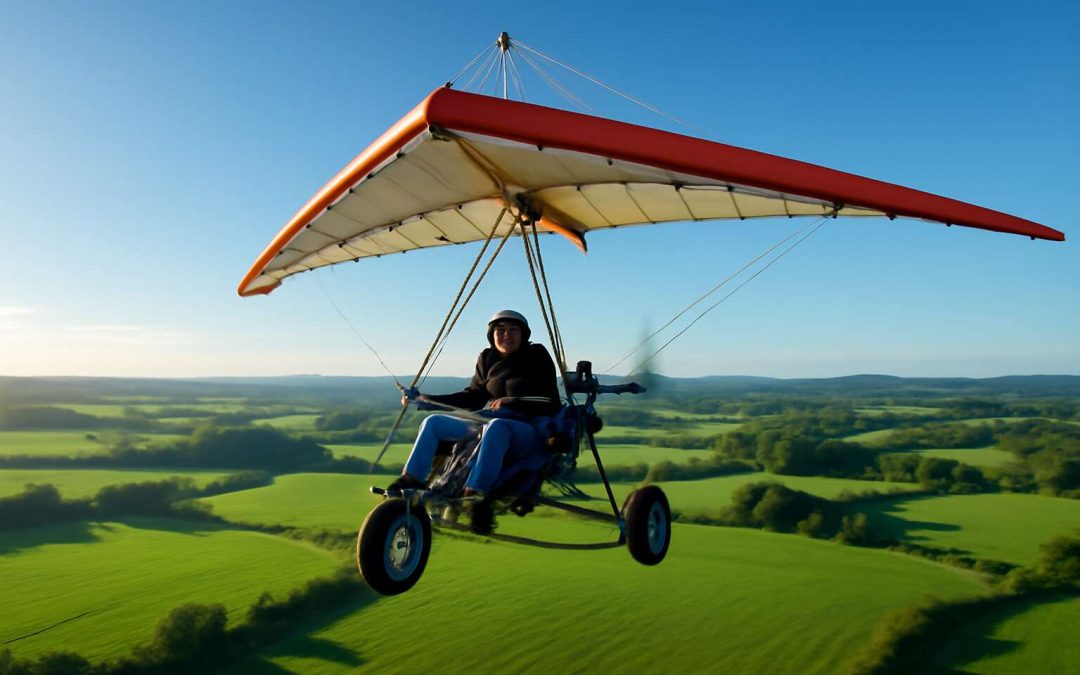
by | Sep 7, 2025 | Blog
Overview of Microlight Flying
What is Microlight Flying?
Microlight flying is a captivating blend of simplicity and exhilaration, offering a unique perspective on the world from above. It’s a form of ultralight aviation that allows pilots to glide effortlessly through the skies, feeling every gust of wind and the warmth of the sun on their face. For those seeking adventure and a connection to nature, Johan’s microlight flying provides an unmatched experience, combining technical mastery with the thrill of flight.
What sets microlight flying apart is its accessibility—requiring less extensive training than traditional aircraft, yet delivering a sense of freedom that’s truly extraordinary. In South Africa, the landscapes unfold like a living painting beneath your wings, from lush vineyards to rugged coastlines. Johan’s microlight flying is not just about reaching a destination; it’s about embracing the sensation of floating weightlessly, discovering the skies in a way that feels both intimate and boundless.
- Lightweight aircraft designed for nimble maneuverability
- Optimal for scenic flights over diverse terrains
- Perfect for pilots seeking a thrilling yet accessible adventure
Types of Microlight Aircraft
Microlight flying offers a fascinating spectrum of aircraft types, each tailored to different styles of adventure and skill levels. Among these, the most common are weight-shift trikes, where pilots control the aircraft by shifting their weight, creating an intuitive flying experience. These aircraft are celebrated for their nimbleness and ease of handling, making them ideal for scenic flights over South Africa’s diverse landscapes.
Another category includes fixed-wing microlights, which resemble miniature airplanes and often feature more aerodynamic designs. Their stability and efficiency make them perfect for longer journeys or exploring rugged terrains. Johan’s microlight flying primarily utilizes lightweight, versatile aircraft designed for both enthralling sightseeing and technical mastery. Whether gliding over lush vineyards or rugged coastlines, each aircraft type plays a vital role in delivering that unparalleled feeling of freedom and connection to nature.
- Weight-shift trikes – the most accessible and maneuverable
- Fixed-wing microlights – ideal for extended scenic flights
Understanding these distinctions enhances the appreciation of Johan’s microlight flying experience, where the choice of aircraft amplifies the thrill of floating effortlessly above South Africa’s breathtaking scenery. The diversity of microlight aircraft types underscores the rich tapestry of ultralight aviation and the endless possibilities for exploration and adventure.
Benefits of Flying a Microlight
Few experiences rival the exhilaration of lifting off into the clear blue sky, feeling the world shrink beneath you as freedom takes flight. Johan’s microlight flying offers an unparalleled vantage point—an intimate connection with South Africa’s stunning landscapes that leaves an indelible mark on the soul. The thrill of floating effortlessly over lush vineyards, rugged coastlines, and sprawling plains transforms every flight into a journey of discovery.
One of the greatest benefits of flying a microlight is the sense of adventure it awakens. The lightweight aircraft’s nimbleness allows pilots to navigate tight spaces and explore remote regions inaccessible to larger aircraft. Whether you’re captivated by the golden hues of sunset over the Drakensberg or the shimmering waters of the coastline, each flight reveals a new facet of South Africa’s natural beauty. Johan’s microlight flying combines technical mastery with pure exhilaration, creating experiences that resonate long after landing.
In essence, microlight flying is more than just a sport; it’s an invitation to see the world from a perspective few ever get to enjoy. The unique versatility of these aircraft means that every journey is tailored to the thrill-seeker’s desires, making Johan’s microlight flying a truly immersive adventure—an experience that elevates the spirit and awakens the senses.
Johan’s Journey into Microlight Flying
How Johan Got Started
Johan’s journey into microlight flying was born from an insatiable curiosity and a desire to transcend the terrestrial confines that often limit human perception. It’s a pursuit that demands both meticulous preparation and an unwavering spirit—each flight a testament to the thrill of liberation that only the skies can offer. For Johan, this wasn’t merely a hobby; it became a profound exploration of freedom and mastery over the elements.
Starting with a modest training program, Johan quickly immersed himself in the nuances of microlight aircraft operation, discovering the delicate balance between control and surrender. His passion deepened as he learned to read the subtle cues of the aircraft and the environment—an intricate dance that transformed each flight into a meditative act. From the first solo flight to more advanced sorties, Johan’s microlight flying evolved into a symphony of skill and exhilaration.
Throughout his journey, Johan’s microlight flying has been marked by a relentless pursuit of excellence, embracing the unique challenges and rewards that come with navigating South Africa’s diverse skies. His story exemplifies how dedicated passion can elevate the experience from mere recreation to a transformative adventure, inspiring others to chase their own horizons.
Training and Certification Process
Johan’s microlight flying journey is a captivating odyssey into the skies, driven by a thirst for mastery and the allure of boundless horizons. His pursuit began with rigorous training, where each lesson was a step deeper into the art of microlight aircraft operation. The certification process, a delicate blend of theory and hands-on experience, not only sharpened his skills but also solidified his confidence among South Africa’s diverse aerial landscapes.
Embarking on this adventure, Johan navigated a series of structured phases that included ground school, pre-flight checks, and solo flights, each essential for safe and proficient flying. His story is a testament to the meticulous craftsmanship behind becoming a licensed microlight pilot. As part of his training, Johan mastered the nuances of wind, weather, and aircraft control, transforming complex challenges into seamless harmony.
- Complete comprehensive ground training to understand aerodynamics and safety protocols.
- Accumulate required flying hours under expert supervision, gradually increasing complexity.
- Pass rigorous assessments to demonstrate proficiency in microlight aircraft handling and emergency procedures.
Johan’s microlight flying experience is now a symphony of skill and emotion, woven into the fabric of his journey towards absolute freedom in the South African skies. Each milestone in his certification process has unlocked new vistas, inspiring others to chase their own celestial dreams.
Initial Challenges and Milestones
Johan’s microlight flying journey didn’t just take off smoothly; it was more akin to a rollercoaster with a few unexpected twists and turns. The initial challenges were as intimidating as facing a lion in the wild—requiring courage, quick thinking, and a dash of humor to keep the nerves at bay. One of the biggest hurdles? Mastering the delicate dance of aircraft control while battling unpredictable South African weather patterns, which seem to have a mind of their own.
Despite these hurdles, Johan’s milestones served as milestones of perseverance. His first solo flight marked a pivotal moment—an exhilarating taste of freedom that only microlight pilots truly understand. The journey was punctuated by key achievements, such as completing his first pre-flight check without missing a step and passing rigorous assessments that tested his ability to handle emergency procedures with calm precision.
Throughout his training, Johan’s microlight flying experience blossomed into a symphony of skill and emotion. Every challenge faced and overcome added a new layer of confidence, transforming complex aerodynamics into second nature. His story underscores that, with grit and determination, even the most daunting initial challenges can become stepping stones toward unlocking the boundless skies of South Africa.
Experience and Skills in Johan’s Microlight Flights
Flight Techniques and Controls
Johan’s microlight flying exemplifies a mastery born from dedication and a nuanced understanding of flight dynamics. His experience in microlight aircraft is not just measured in hours but in the finesse with which he interprets the whispering language of the skies. Each flight becomes a dance between man and machine, where precision in control and instinct meld into an art form.
His skills extend beyond basic maneuvering, encompassing advanced flight techniques that ensure safety and grace in every altitude. Johan’s intuitive grasp of aerodynamics allows him to adapt seamlessly to varying conditions, transforming potential turbulence into a fluid, almost poetic movement through the air. This expertise is complemented by an ability to communicate complex controls effortlessly, making each microlight adventure both exhilarating and secure.
- Smooth throttle management
- Precise control of pitch and roll
- Effective use of trim for stability
- Situational awareness during cross-country flights
Through years of dedication, Johan’s microlight flying has become a symphony of skill and intuition—an experience that elevates the spirit and ignites a passion for the boundless skies of South Africa. His flight techniques and controls reflect not just competence but a genuine artistry that inspires every adventurer fortunate enough to share in his journey.
Navigational Skills
Johan’s microlight flying is an intricate tapestry woven with exceptional navigational skills and an intuitive grasp of the vast South African skies. Each journey is a testament to his ability to read the subtle cues of the environment, transforming ordinary flight paths into a symphony of precision and grace. His mastery extends beyond mere direction; it embodies an artistry that allows him to navigate through diverse terrains and changing weather with effortless confidence.
With years of experience, Johan’s navigational prowess is both profound and adaptable. He seamlessly integrates visual cues, topographical features, and meteorological awareness—turning complex conditions into opportunities for smooth, confident flight. His ability to maintain situational awareness during cross-country flights ensures that every journey remains safe and exhilarating.
- Accurate position estimation
- Effective use of visual landmarks
- Strategic route planning
These skills elevate Johan’s microlight flying from routine to remarkable, inspiring a genuine passion for exploring South Africa’s breathtaking landscapes from the sky.
Safety Procedures and Protocols
Johan’s microlight flying is a testament to unwavering dedication and meticulous adherence to rigorous safety procedures. With an extensive repertoire of skills honed through years of experience, Johan embodies a deep understanding of safety protocols that underpin every flight. His commitment to safety isn’t merely procedural; it’s a profound ethos that transforms each journey into an exercise in trust and precision.
In Johan’s microlight flying, safety procedures are woven into the very fabric of his flying philosophy. Pre-flight inspections are conducted with scrupulous attention to detail, ensuring that each component of the aircraft functions flawlessly. His thorough risk assessment and weather analysis serve as vital safeguards against unforeseen challenges. During flight, situational awareness is maintained through continuous communication with ground control and real-time environmental monitoring. This vigilance allows Johan to respond swiftly to changing conditions, turning potential hazards into mere moments of adaptation.
Furthermore, Johan’s comprehensive approach includes a strategic checklist that covers:
- Pre-flight safety checks
- Emergency procedures review
- Weather and terrain assessment
- Communication protocols
Every element of Johan’s microlight flying exemplifies a disciplined yet intuitive mastery that elevates safety from a mere requirement to an intrinsic part of his flying artistry. Such dedication instills confidence, allowing him to explore South Africa’s breathtaking landscapes with a sense of assured freedom, knowing that safety is always at the forefront of each ascent into the skies.
Popular Flying Routes and Scenic Flights
Preferred Destinations
Johan’s microlight flying offers an extraordinary perspective on South Africa’s breathtaking landscapes. Popular flying routes often include the rugged Drakensberg mountains, where the jagged peaks pierce the sky, and the lush coastal regions along the Garden Route, revealing hidden coves and pristine beaches from above. For those seeking a true adventure, scenic flights over the Cape Winelands provide a tapestry of vineyards and rolling hills that seem to stretch endlessly.
Preferred destinations for microlight enthusiasts frequently include the Kruger National Park, where flying low offers a unique chance to spot wildlife in their natural habitat without the crowds. Whether soaring over iconic landmarks or exploring remote wilderness, Johan’s microlight flying allows pilots to unlock South Africa’s natural beauty like never before. The thrill of gliding over these scenic routes is unparalleled, making each flight a memorable journey into the heart of the country’s scenic splendor.
Most Memorable Flights
Few experiences rival the exhilarating panorama offered by Johan’s microlight flying, especially when it comes to exploring South Africa’s diverse landscapes. Popular flying routes include the awe-inspiring Drakensberg mountains, where jagged peaks carve the sky with dramatic flair, and the lush coastal corridors along the Garden Route, revealing secret coves and shimmering beaches from a perspective only accessible from the air.
Among the most memorable flights are those over the Cape Winelands, where vineyards stretch like a patchwork quilt across rolling hills, their beauty enhanced by the golden sunlight. For wildlife enthusiasts, Johan’s microlight flying over Kruger National Park provides an unrivaled vantage point to observe majestic animals in their natural habitat, all while avoiding the crowds below.
- A scenic flight over the Blyde River Canyon, showcasing nature’s grandeur from a bird’s-eye view.
- Gliding over the historic Cape Town skyline, with Table Mountain standing proudly as the backdrop.
- Exploring remote wilderness areas that are otherwise inaccessible, all from the comfort of a lightweight aircraft.
Each route offers a chance to see South Africa’s stunning scenery through Johan’s microlight flying — an adventure that elevates the soul and redefines the very meaning of scenic beauty. The thrill of flying low and slow over these iconic locations ensures every flight becomes a cherished memory, etched into the mind long after touching back down.
Unique Scenic Views
Johan’s microlight flying offers a gateway to some of South Africa’s most breathtaking vistas, with routes that promise unforgettable adventures. Popular flying routes include over the majestic Drakensberg mountains, where jagged peaks pierce the sky, crafting a dramatic silhouette against the horizon. The lush coastal corridors along the Garden Route reveal secret coves and shimmering beaches, seen from a perspective only accessible by air. Each flight unveils a new layer of natural beauty, immersing passengers in a world often hidden from ground level.
Among the most scenic flights are those over the Cape Winelands, where vineyards stretch across rolling hills like a vibrant tapestry bathed in golden sunlight. Wildlife enthusiasts flock to Johan’s microlight flying over Kruger National Park, where the expansive wilderness and majestic animals are visible in their natural habitat, far from the crowds below. These scenic flights capture South Africa’s diverse landscapes, from rugged mountains to lush forests, offering a unique vantage point that elevates the soul.
Equipment and Maintenance for Johan’s Microlight Aircraft
Types of Microlights Used
Johan’s microlight flying isn’t just about taking to the skies; it’s a meticulous dance with equipment that demands precision and care. The right microlight aircraft, often lightweight yet robust, forms the backbone of every exhilarating flight. Each aircraft must be maintained to exacting standards to ensure safety and performance, especially when navigating South Africa’s diverse landscapes. Regular inspections, engine checks, and structural assessments are non-negotiable in Johan’s microlight flying operations.
To keep everything in peak condition, Johan emphasizes a detailed maintenance routine that includes both routine checks and comprehensive overhauls. This proactive approach minimizes the risk of mechanical failures mid-flight and prolongs the lifespan of the aircraft. The types of microlights used range from fixed-wing models to flex-wing trikes, each chosen for their agility and reliability. Whether it’s a sleek, modern design or a vintage-inspired craft, every piece of equipment undergoes rigorous testing before every flight.
Regular Maintenance and Checks
In Johan’s microlight flying operations, equipment and maintenance are the cornerstones of safety and performance. Every component of the aircraft, from the engine to the wing fabric, requires meticulous attention to detail. Regular inspections are not just routine; they are essential for detecting potential issues before they become critical. Johan’s routine checks include comprehensive engine diagnostics, structural assessments, and aerodynamic inspections, ensuring that each flight is as secure as it is exhilarating.
To maintain peak condition, Johan emphasizes a proactive maintenance routine that combines scheduled overhauls with daily checks. This approach minimizes mechanical failures mid-flight and extends the lifespan of his microlight aircraft. For example, during routine maintenance, he meticulously examines the control surfaces, checks safety harnesses, and evaluates the integrity of the landing gear. This disciplined regimen ensures that Johan’s microlight flying remains not only safe but also consistently reliable, even across South Africa’s diverse and challenging landscapes.
Every piece of equipment undergoes rigorous testing before each flight, including:
- Engine performance assessments
- Structural integrity checks
- Fuel system evaluations
- Control system responsiveness tests
Such diligence underscores Johan’s commitment to safety and excellence in every microlight adventure. It’s this unwavering focus on equipment maintenance that allows Johan’s microlight flying to soar confidently above South Africa’s breathtaking vistas, transforming each flight into a seamless harmony of skill and preparation.
Upgrades and Customizations
Johan’s microlight flying is more than just a hobby; it’s a testament to meticulous craftsmanship and unwavering dedication to safety. Upgrading and customizing his microlight aircraft allows Johan to enhance performance and tailor the flying experience to his adventurous spirit. Each modification is thoughtfully executed, ensuring that every flight remains smooth and exhilarating amidst South Africa’s diverse landscapes.
His approach to equipment upgrades is both innovative and disciplined. Johan carefully selects components that improve aerodynamics, fuel efficiency, and control responsiveness. These enhancements often include lightweight materials for better lift, upgraded engine parts for reliability, and advanced avionics systems for navigation accuracy. Such customizations transform his microlight into a bespoke flying machine, perfectly suited to his unique flying style and the rugged terrains he explores.
To ensure safety and optimal performance, Johan follows a rigorous testing protocol before each flight, involving:
- Engine diagnostics and performance tuning
- Structural integrity assessments
- Fuel system evaluations
- Control system responsiveness checks
Every upgrade is implemented with a focus on durability and safety, reflecting Johan’s commitment to responsible microlight flying. These thoughtful modifications not only elevate his flying experience but also reinforce the importance of regular maintenance and equipment checks, especially when navigating South Africa’s unpredictable weather and terrain. Johan’s microlight flying exemplifies how passion, precision, and perseverance come together in the sky, making each journey a remarkable adventure.
Safety and Regulations in Microlight Flying
Legal Requirements
In the realm of johan’s microlight flying, safety is not merely a protocol—it is an ethos woven into every flight, every decision, every breath of wind that guides the aircraft. South African regulations for microlight pilots demand unwavering adherence to legal requirements, ensuring that the skies remain a sanctuary rather than a perilous expanse. These rules are designed to protect pilots and spectators alike, creating a framework where adventure and responsibility dance in harmony.
Legal requirements for microlight flying encompass stringent licensing, aircraft registration, and operational limitations. Pilots must possess valid certifications, undergo continuous training, and adhere to pre-flight safety checks that serve as a safeguard against unforeseen hazards. For johan’s microlight flying, this disciplined approach transforms every journey into a symphony of precision and prudence.
To navigate this complex tapestry of regulations, pilots often follow a structured sequence:
- Obtaining the necessary pilot license from authorized South African aviation authorities
- Conducting thorough aircraft inspections prior to every flight
- Compliance with airspace restrictions and weather assessments
- Maintaining meticulous logs for legal and safety audits
This vigilant adherence ensures that each flight is not only exhilarating but also anchored in the highest standards of safety and legality, allowing enthusiasts like johan to chase the horizon with confidence and peace of mind.
Safety Gear and Precautions
In the exhilarating world of johan’s microlight flying, safety is the cornerstone that elevates adventure to an art form. Every flight is a testament to rigorous adherence to South African aviation regulations, which serve as an invisible safety net for pilots and enthusiasts alike. These regulations mandate that pilots wear proper safety gear, including helmets, fire-resistant clothing, and harnesses, to ensure protection against unforeseen incidents.
Precautions are woven into the fabric of every journey, with pre-flight safety checks acting as a vital safeguard. Pilots meticulously inspect the aircraft’s controls, fuel systems, and structural integrity before takeoff. This disciplined routine minimizes risks and guarantees that each flight remains a harmonious blend of thrill and responsibility.
For johan’s microlight flying, safety and regulation compliance are not merely bureaucratic requirements—they are a passionate commitment to responsible aviation. By respecting airspace restrictions and weather assessments, pilots uphold the highest standards of safety, allowing them to chase the horizon with confidence and peace of mind.
Emergency Procedures
In the shadowed silence of the skies, where the wind whispers secrets and the horizon beckons with an enigmatic allure, safety in johan’s microlight flying transforms from mere protocol into a sacred vow. Every flight must embrace the rigid dictates of South African aviation regulations, which act as an unseen guardian, weaving an intricate web of security around pilots and adventurers alike. These regulations are not mere bureaucratic formalities but vital safeguards that breathe life into the thrill of flight.
Emergency procedures are woven into the very fabric of every journey, demanding a meticulous understanding of protocols that can mean the difference between serenity and chaos. Pilots are trained to respond swiftly and decisively—whether it involves engine failure, sudden weather shifts, or unforeseen mechanical issues. A well-structured emergency checklist, often memorized and drilled into muscle memory, ensures that each flight remains a harmonious dance of risk and control.
- Maintain composure and assess the situation calmly.
- Execute predetermined emergency protocols, such as emergency descent or securing controls.
- Communicate clearly with air traffic control or ground support, if possible.
In johan’s microlight flying, adherence to these protocols is more than a legal obligation; it is a testament to the unwavering respect for the skies. By respecting airspace restrictions, weather assessments, and safety gear requirements—such as helmets, fire-resistant clothing, and harnesses—pilots uphold a silent oath to protect life and limb. The dark majesty of the clouds demands vigilance, but also a resolute commitment to safety that ensures every flight remains an awe-inspiring voyage into the unknown.
Community and Events Related to Johan’s Microlight Flying
Flying Clubs and Associations
Community plays a pivotal role in Johan’s microlight flying journey, forging connections that elevate the flying experience beyond solo adventures. Local flying clubs and associations in South Africa provide a vibrant network where enthusiasts share knowledge, celebrate milestones, and participate in exhilarating events. These gatherings often feature scenic flights over the breathtaking landscapes of the Drakensberg or the coastal vistas of KwaZulu-Natal, making each event unforgettable.
Johan’s microlight flying community is known for its camaraderie and passion for aviation. Regular meet-ups and airshows foster an environment of continuous learning and inspiration. Many pilots, including Johan, participate in regional competitions and safety seminars, strengthening their skills and bonds with fellow flyers. For those eager to immerse themselves in the microlight flying culture, joining these clubs and associations offers more than just flying; it’s about becoming part of a thriving, supportive network that celebrates the freedom of flight.
Competitions and Air Shows
Johan’s microlight flying journey is woven into the vibrant tapestry of South Africa’s aviation community. Community events, particularly microlight flying competitions and air shows, serve as the beating heart of this exhilarating hobby. These gatherings are more than mere spectacles; they are a celebration of skill, camaraderie, and the breathtaking beauty of the skies above KwaZulu-Natal and the Drakensberg.
Attending these events offers an unmatched opportunity to witness Johan’s microlight flying prowess firsthand. Spectators and fellow pilots alike marvel at the precision aerobatics and scenic flights that showcase the diverse landscapes of South Africa. From challenging turns to smooth glides, every flight reflects the dedication and passion that define Johan’s approach to microlight flying.
- Regional competitions often feature categories that test both skill and creativity, elevating Johan’s microlight flying to new heights.
- Air shows provide a platform for pilots to share their love for aviation, often including dynamic displays of aerial acrobatics and scenic flights over iconic landmarks.
These events are more than just a showcase—they foster a sense of belonging within Johan’s microlight flying community. The shared enthusiasm and mutual respect among pilots create an environment where safety, innovation, and friendship flourish. Whether competing or simply enjoying the spectacle, everyone leaves inspired, eager to embrace the next adventure in the skies.
Networking and Support
Community and events play a pivotal role in Johan’s microlight flying journey, transforming solitary flights into a vibrant network of aviation enthusiasts. These gatherings aren’t just about showcasing aerial skills—they’re a celebration of camaraderie, innovation, and South Africa’s stunning landscapes. Whether at local air shows or regional competitions, Johan’s microlight flying gains a sense of belonging that fuels passion and pushes boundaries.
Attending these events offers more than just visual excitement; they foster invaluable connections among pilots and spectators alike. Shared stories, tips, and friendly banter create an environment where safety and friendship go hand in hand. For those eager to dive deeper into the microlight community, participating in or spectating at these functions provides an immersive experience. From scenic flights over the KwaZulu-Natal coast to aerobatic displays over the Drakensberg, every moment reinforces the thrill of Johan’s microlight flying and the powerful sense of community it cultivates.
- Networking opportunities with seasoned pilots and newcomers alike
- Support from local flying clubs and aviation associations
- Participation in competitions that test skill and creativity
Getting Started with Microlight Flying
Tips for Beginners
Starting your journey into microlight flying is both exhilarating and demanding. For beginners, the thrill of lifting off and feeling the open sky is unmatched, but it’s crucial to build a solid foundation. Johan’s microlight flying offers an authentic glimpse into this captivating world, emphasizing safety, precision, and confidence. Before taking to the skies, aspiring pilots should immerse themselves in basic aerodynamics and familiarise themselves with the aircraft controls. Patience and practice are vital—mastering smooth takeoffs and landings sets the tone for a successful flying experience.
To enhance your learning curve, consider these essential tips:
- Start with comprehensive training sessions under the guidance of experienced instructors.
- Engage actively in simulator exercises to build muscle memory.
- Prioritize safety procedures and emergency protocols at every stage.
By embracing these principles, enthusiasts can transform initial jitters into confident, skillful microlight pilots. Johan’s microlight flying serves as a perfect launchpad for those eager to conquer the skies with expert guidance and a passion for adventure. Prepare to unlock a new dimension of flight, where every dawn promises a fresh adventure!
How to Choose a Flight School
Embarking on the journey of microlight flying demands more than just a fearless spirit; it requires a trusted gateway into the aerial realm. When choosing a flight school for your ascent into the skies, it’s essential to seek out an establishment that combines professionalism with passion. Johan’s microlight flying offers a sanctuary for aspiring pilots eager to embrace the mysterious allure of flight while ensuring safety and skill are paramount.
The selection process should be meticulous. Look for a school that provides comprehensive training, experienced instructors, and a genuine commitment to your development. To streamline your decision, consider these steps:
- Assess the school’s reputation within the microlight flying community.
- Verify that their training curriculum aligns with your aspirations and safety standards.
- Ensure they offer hands-on experience with a variety of microlight aircraft models.
Johan’s microlight flying stands as a beacon for those yearning to conquer the skies, blending the raw poetry of flight with rigorous instruction. Choosing the right flight school is the first step into this shadowed yet breathtaking world, where every flight whispers tales of adventure and mastery.
Preparing for Your First Flight
Embarking on your first microlight flight is an exhilarating leap into the skies, and preparing properly can make all the difference between a memorable adventure and a nerve-wracking ordeal. Johan’s microlight flying offers a seamless entry into this world, where safety and excitement go hand-in-hand. Before you take that initial step, it’s vital to understand the essentials of preparing for your maiden voyage.
First, ensure you arrive well-rested and equipped with the right safety gear—think comfortable clothing, sunglasses, and a sense of adventure. Johan’s microlight flying provides thorough pre-flight briefings that cover everything from aircraft controls to emergency protocols. These sessions give you the confidence to handle the aircraft with finesse.
Next, most beginner pilots find it helpful to follow a simple, step-by-step process to get started. An example might be:
- Attend an introductory session with Johan’s microlight flying.
- Review the aircraft’s basic controls and safety procedures.
- Participate in a supervised pre-flight inspection.
- Take your first gentle glide, guided by an experienced instructor.
By immersing yourself in this structured yet thrilling process, you’ll soon find yourself soaring above South Africa’s scenic vistas—an experience that Johan’s microlight flying passionately cultivates for every aspiring pilot eager to conquer the skies.