Understanding Microlight Aircraft
What Defines a Microlight Aircraft
Microlight aircraft occupy a genuine niche in South African aviation. The Civil Aviation Authority classifies a microlight as a fixed wing aircraft with a maximum takeoff weight of 450 kilograms on land, or 500 kilograms for amphibious versions. Stall speed must remain below 35 knots.
What distinguishes the microlight surat experience is the open cockpit. You feel every thermal and gust. For pilots exploring microlight surat routes, this direct feedback creates a different style of flying. Controls respond swiftly, and the machine feels alive beneath your hands.
- Maximum takeoff weight of 450 kilograms for land operations
- Stall speed below 35 knots in landing configuration
- Single or twin engine configurations permitted
Lightweight construction keeps operating costs low, drawing many South Africans into aviation.
Key Differences Between Microlights and General Aviation Planes
Anyone who has flown both will tell you the gap between a microlight and a Cessna 172 feels enormous, even though both machines share the same sky. When you fly a microlight surat route, you contend with conditions that would barely register in a heavier aircraft. The 450 kilogram weight limit means turbulence that would merely rattle a general aviation plane demands your full attention in a microlight. This is not a flaw. It is the essence of the sport.
General aviation aircraft fall under different maintenance schedules and inspection regimes. A certified aeroplane requires approved parts, licensed engineers, and logbook entries for every minor repair. A microlight operates under a more pragmatic philosophy. The owner maintains the machine, and within the microlight surat community, that hands-on responsibility is part of the appeal. You know every bolt, cable, and rib because you have handled them yourself!
Consider the practical differences:
- Fuel burn rarely exceeds 15 litres per hour, half of what a typical trainer consumes
- Trailer storage removes hangarage costs entirely
- Insurance premiums sit considerably lower
Then there is the weather. General aviation pilots file flight plans and climb above the cloud layer. Microlight pilots fly by line of sight, weaving around cumulus buildings and reading wind direction from the way dams ripple below. A pilot heading out on a microlight surat outing must study the sky for a full hour before takeoff. The margin for error is thinner, but the reward is a flight with nothing between you and the air except a windscreen. That is the trade, and for many of us, it is worth it.
Safety Features and Certification Standards
Safety in a microlight is not handed down by regulators. It is built by the pilot. The certification standard in South Africa relies on the manufacturer’s declaration and the owner’s diligence, unlike the type certificates of heavier machines.
Every flight includes a preflight inspection that demands total attention. Those of us who fly the microlight surat routes know the airframe intimately: the fabric tension, the bolt torque, the cable stretch. We inspect before every hop because the margins are thin.
- Parachute recovery systems deploy the whole aircraft safely
- Stall warning indicators alert before the wing loses lift
- Airframe parachute mounts are standard on modern designs
The pilot respects these features yet trusts their own hands above all.
Weight Regulations and Pilot Licensing Requirements
450 kilograms is the legal ceiling for a land-based microlight surat in South Africa. Amphibious variants may float up to 500 kilograms. These figures emerge from stall speeds and structural loads, not paperwork.
Licensing demands a similar sense of measure. The Restricted Pilot Licence requires 25 hours of total flight time, including 10 hours solo and a cross-country navigation. The National Pilot’s Licence adds a radio telephony certificate and a night rating.
On a 450 kilogram aircraft, fuel, baggage, and bodies count against the same allowance. The examiner watches how each kilogram shifts the centre of gravity, and how you adjust your hand on the controls.
Common Microlight Categories and Designs
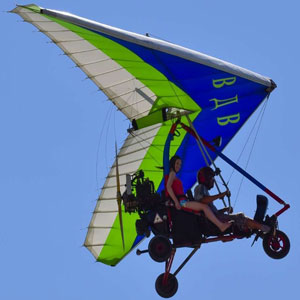
Understanding microlight categories begins with airframe configuration. A microlight surat pilot will encounter three dominant designs: the weight shift trike, the fixed wing three axis, and the powered parachute. Each handles differently in the Karoo’s thermal turbulence. The trike pivots on a hang point, demanding a different muscle memory than the ailerons of a three axis machine. Powered parachutes offer slower speeds but limited crosswind tolerance.
Consider these distinctions when choosing a type:
– Wing loading affects stall behaviour.
– Control response dictates training requirements.
– Cockpit ergonomics influence endurance on long cross-countries.
The fuselage material matters equally. Aluminium tube frames tolerate rough grass strips. Composite shells offer cleaner aerodynamics. For a South African pilot, the microlight surat market reflects this diversity, from kit-built singles to factory-assembled side-by-sides.
Why Surat Is an Ideal Microlight Destination
Scenic Routes and Aerial Views Around Surat
Surat is the kind of destination that pilots describe in hushed tones, even though it never appears on migration maps. The region’s steady thermal currents and long stretches of open terrain make it a natural home for microlight surat flights. On a clear morning, you can trace the river’s curve from the eastern ridge to the western plains, all from the comfort of a tandem cockpit.
The airstrip sits on a plateau that offers immediate elevation, a rarity in this part of the country. Within minutes you are above the treeline, and the horizon stretches out without interruption. For pilots, that sense of unfettered space is the real attraction.
Some of the most popular routes include:
- The River Bend Circuit, which follows the water for 20 kilometres past old farmsteads.
- The Western Plain Run, offering a straight shot over seasonal wildflowers and grazing land.
- The Hill Ridge Loop, which skirts the Granite Kop and rewards you with a view of the dam.
Each route has its own character, but the common thread is the tranquillity of the airspace. Unlike busier hubs, Surat rarely sees unscheduled traffic, so you can focus on the scenery rather than scanning for other aircraft.
Favorable Flying Conditions and Climate
Over 300 clear flying days each year make Surat one of the most dependable microlight surat destinations in South Africa. The dry season stretches from April to September, bringing stable thermals and scarce rainfall. Morning winds rarely exceed ten knots, which creates a generous window for safe takeoffs and landings.
The plateau’s open terrain permits smooth airflow, so turbulence stays minimal even in the heat of midday. Humidity remains low, keeping visibility sharp and reducing the chance of fog. These conditions are noticeably more forgiving than those found near the coast.
- Calm morning thermals
- Minimal crosswinds in winter
- Stable air pressure through the dry season
For pilots who value consistency, the climate here removes the usual guesswork. Flying becomes a routine, not a gamble.
Airspace Accessibility and Proximity to the City
Surat’s airstrip sits a five minute drive from the town center. That proximity turns flying into a routine errand, not an expedition. You can be airborne before your coffee cools!
The airspace itself is forgiving. Fields sit outside busy controlled zones but remain close to radio beacons. Pilots of microlight surat file simple flight plans and stay in the air longer.
- Less than ten kilometers from municipal airfield services
- Direct entry into uncontrolled airspace
- Unobstructed visual markers from the plateau rim
For visiting pilots, this means landing, refueling, and returning to the city within the hour. The dry season keeps the airspace predictable, with few restrictions and no hidden bottlenecks. Few destinations offer such open sky with such close facilities.
Local Aviation Infrastructure and Support
The tarmac at Surat’s municipal strip has hosted everything from crop sprayers to cross-country touring machines. Support services reflect that quiet versatility. Hangarage is modest but secure, and certified mechanics remain genuinely accessible. Pilots of a microlight surat routinely mention the speed of turnaround, with engine checks and fuel top-ups handled within walking distance of the parked aircraft.
Overnight parking requires prior arrangement, yet refusals are rare. Spare parts for two-stroke engines arrive within days, courtesy of established courier routes. The refueling point operates on a simple card system, and 100LL stays consistently stocked for Rotax conversions. Newer pilots quickly notice the small things:
- Dedicated tie-down points across the apron
- Battery charging facilities near the hangars
- Ground handling equipment available on request
Local flying schools coordinate their training schedules around visiting aircraft. Ground power carts and basic workshop tools are also present. The infrastructure handles the friction, leaving more time for actual flying.
Choosing a Reliable Microlight Operator in Surat
Verifying Directorate General of Civil Aviation Approvals
One missed signature on a maintenance log can turn a joyride into a liability. Choosing a reliable operator for a microlight surat begins with verifying the Directorate General of Civil Aviation approvals. I always ask to see the original DGCA certificate, not a photocopy. This document proves the aircraft passed mandatory inspections. Next, confirm the pilot’s license includes a microlight rating and recent flight hours.
Check these items before booking:
- DGCA certificate number matches the aircraft’s registration
- Insurance policy covering passenger liability
- Maintenance records with dated entries by certified engineers
Each detail separates a professional outfit from a rogue operation. When the operator hands you these documents without hesitation, that builds confidence. Remember, a microlight surat experience should offer freedom, not uncertainty. Verifying approvals only takes a few minutes and adds real safety to your flight.
Evaluating Pilot Experience and Instructor Credentials
I have learned that the pilot’s logbook tells a deeper story than any brochure. For a microlight surat flight, ask how many hours they have flown in this exact category. A pilot who transitioned from heavy aircraft may lack the nuanced feel for a lightweight wing in thermal conditions.
Instructor credentials matter equally. The person strapped in behind you must hold a valid DGCA instructor rating, separate from a standard license. Look for evidence of recent recurrent training, because complacency builds slowly.
- Check the logbook for total microlight hours
- Ask when they last flew in crosswind conditions
- Verify the instructor rating is current
That level of scrutiny separates a memorable microlight surat experience from a risky gamble. Trust is built on documented proof, not promises.
Fleet Maintenance and Aircraft Condition
Aircraft age tells you less than maintenance discipline. Before any microlight surat flight, ask to see the maintenance release log. Look for entries on control cable tension, wing fabric condition, and propeller integrity. A disciplined fleet shows in small details. Rust on exposed bolts, faded safety wire, or a cracked canopy are visible warnings. The best operators let you walk the hangar. They point out replaced parts and explain their inspection rhythm.
Check whether the airframe hours match the engine hours. Mismatched numbers suggest unreliable records.
- Examine the wing fabric for chafing near the ribs
- Confirm the altimeter and compass were recently calibrated
- Ask when the last conditional inspection was performed
These physical checks complement the paperwork. The eye sees immediately what a logbook entry might obscure on a microlight surat aircraft.
Safety Records and Emergency Procedures
Every operator claims a spotless safety record. The truth lives in the details. When you evaluate a microlight surat operator, ask to see their incident reports, not their brochure. A real safety culture tracks every near miss, every hard landing, every bird strike. Silence means they do not track, or they do not want you to know.
Emergency procedures deserve the same scrutiny. Does the operator brief you on engine failure drills before every flight? Do they have a written go/no go checklist for wind shifts? Or do they rely on a shrug and a smile?
- Ask if pilots practice simulated engine failures during training
- Request the operator’s emergency response plan for off field landings
- Confirm the radio frequency for Surat airspace is in the aircraft checklist
A microlight surat operation that answers these questions without hesitation is worth your time. One that hedges is not.
Customer Reviews and Word-of-Mouth Reputation
In the world of microlight surat flying, marketing materials can be polished, but reputations are built flight by flight. When I ask around Surat’s hangar culture, the same few names keep surfacing. That consistency matters. A reliable microlight surat operator earns its standing through years of calm, competent flying, not through paid testimonials.
Seek out the quiet voices. Speak to the ground crew, the tea vendor at the airfield, the student who just soloed. Their opinions often reveal more than any review site.
- Check local flying club notice boards for passenger feedback.
- Ask instructors from other schools about the operator’s reputation.
- Observe how the staff treats people on the ground, not just in the air.
These conversations tell you whether the operation respects its passengers and its machinery. Choose the operator whose name keeps coming up in unguarded moments.
Comparing Packages and Inclusions
When comparing packages for a microlight surat flight, look beyond the headline number. Some operators quote a bare flight time, then add charges for fuel, landing fees, or insurance at the desk. Ask what the package includes. Does it cover pre flight instruction, the rental of a helmet, or a post flight debrief? A slightly higher price that includes these basics often saves money and hassle.
Consider also the small things that matter on the day:
– Weather holdover and rescheduling terms
– The length of the actual airborne segment versus run up time
– Whether photographs or video are part of the fee
The cheapest microlight surat experience is rarely the best value. Operators who itemise clearly tend to run their maintenance and training the same way.
Preparing for Your First Microlight Flight
Booking Process and Advance Requirements
Booking your first microlight surat flight hinges on three advance requirements: a valid identity document, a medical self assessment, and a flexible schedule. Most operators request these before they open their booking calendar. I learned this when I planned my own sortie, and the weather window shifted twice.
- Confirm your pilot’s available slots
- Submit your ID and emergency contact details
- Complete the pre flight briefing form
These steps usually happen two to three days ahead. Last minute bookings rarely succeed because the aircraft and instructor need coordinated preparation. Operators for a microlight surat flight require a minimum age or a parental waiver, and they set aside thirty minutes for on site paperwork before the walk to the apron.
What to Wear and Carry on Flight Day
Dressing for a microlight surat flight is less about fashion and more about physics. The air at 1,000 feet behaves differently than it does on the ground. A warm day can turn chilly quickly, so wear layers. A light fleece works better than a heavy coat you will regret once the sun climbs.
Closed-toe shoes are non-negotiable. You will be standing on grass, stepping over a wing, and using rudder pedals that lack patience for sandals. Sunscreen and sunglasses protect against glare, though your pilot will confirm whether sunglasses fit under the helmet.
Carry exactly this:
- Your ID, the same one you submitted at booking.
- A phone, but secured in a pocket with a zip.
- Minimal jewellery, because nothing ruins a sortie like a flying earring.
Loose items will find the propeller, and not in a good way. Keep it simple, and the only surprise will be how calm you feel.
Pre-Flight Briefing and Safety Checklist
Every serious microlight surat experience begins on the ground. The pre-flight briefing introduces you to the machine’s personality. You will review weather, wind direction, and airspace constraints along the route.
The safety checklist is not a formality. You will walk around the aircraft with the pilot, checking control surfaces, fuel levels, and wing attachments. This is your chance to ask questions. Pilots expect curiosity, and competent instructors welcome it.
- Confirm the emergency landing zones along your flight path.
- Test the radio communication and headset function.
- Verify that the harness is adjusted to your body, not just clipped.
Take the briefing seriously. This ritual converts raw excitement into informed confidence. For a first timer, it means the difference between a nervous passenger and an active participant. That is the real value of booking with a microlight surat operator that values process.
Health Restrictions and Weight Considerations
Flying a microlight surat demands honesty about your physical condition. Most operators follow similar medical guidelines. Conditions like uncontrolled epilepsy, severe heart disease, or recent surgery may ground you. Pregnancy typically means waiting until after delivery. The pilot’s decision protects everyone on board.
Weight limits exist for structural reasons. A microlight surat flight has a strict maximum takeoff weight. Your weight, the fuel, the pilot’s weight, and any equipment must stay below that threshold. Operators will ask for your weight during booking. They are not being rude. They are calculating.
Some conditions require medical clearance:
– Uncontrolled blood pressure
– Panic disorders
– Recent back or neck injuries
Ask the operator before booking if you have concerns. A microlight surat operator would rather adjust seating arrangements than discover a problem at takeoff.
Microlight Flying Costs and Packages
Typical Pricing for Trial Flights
Trial flights over Surat typically cost between R1,200 and R2,500 for a 20 minute flight with an instructor. That base rate covers the aircraft, fuel, and the mandatory pre-flight briefing. Most operators structure their microlight surat packages around flight duration, with 30 minute hops crossing into the R2,800 bracket.
I have noticed that the real cost variance appears in add-ons. Video footage often adds R350 to the total. Some clubs bundle a second flight at a reduced rate, which lowers the effective hourly cost. When you compare the numbers, the per-minute price drops noticeably if you commit to a longer slot.
A typical package breakdown looks like this:
- 20 minute trial: R1,200 to R1,600
- 30 minute scenic: R1,800 to R2,500
- 45 minute extended: R2,800 to R3,500
The microlight surat market remains competitive, so these prices hold fairly steady across certified operators. That final tier suits anyone who wants to cross the river and back without feeling rushed.
Membership Options and Flying Clubs in Surat
Flying clubs around Surat offer membership structures that shift the economics of regular flying. Instead of paying per flight, members often fund an annual levy that covers hangarage, insurance, and shared maintenance. That changes the per-hour cost dramatically for those who fly often. For anyone serious about microlight surat, joining a club is a practical step.
For microlight surat enthusiasts, a typical club membership includes access to the fleet, a defined number of instructor hours, and priority booking on busy weekends. Some clubs also offer cross-country endorsements through their own training syllabus.
- Annual membership: R4,500 to R7,500
- Member hourly rate: R850 to R1,100
- Non-member hourly rate: R1,300 to R1,600
The real cost difference appears in frequency. A pilot flying twice a month recovers the membership fee within a few flights.
Group Discounts and Special Occasion Packages
Most operators keep group rates unpublished, but the savings are real. When four or more passengers reserve together, the per person rate for a microlight surat booking drops noticeably. Some outfits bundle an extended flight with a ground briefing. Others offer a dedicated instructor for the day. A special occasion package might include a champagne toast after landing, though not all fields allow it. The standard options range from a 20 minute intro to a 45 minute excursion. These bundles suit corporate team days or private celebrations. One operator lists its group pricing:
- 2 to 3 fliers: standard rate
- 4 to 6 fliers: 10% discount
- 7 or more fliers: 15% discount plus priority slot
For microlight surat, such packages rely on weather windows, so booking flexibility matters. The real value appears when a group fills a full morning block, reducing idle time for the operator and passing savings to the customer.
Seasonal Offers and Promotional Discounts
Surat’s off peak season drops microlight surat prices by as much as 25%, often without any public announcement. Operators want warm seats, so they quietly slash rates on weekday afternoons. You can secure a 30 minute flight for the cost of a 20 minute slot.
Promotional discounts follow a restless pattern. A monthly email code, a weekend flash sale, or a fuel surcharge waiver for early birds. The best deals never appear on the main pricing page.
- 15% off when you book within three days of your chosen date
- Free weather rescheduling on all promotional rates
- Complimentary helmet camera footage for first timers
Ask every operator about current offers. For a microlight surat booking, that single question often unlocks a discount not listed anywhere. One call can save you enough for a second flight!
Additional Charges for Video and Photo Coverage
The published price for a microlight surat flight covers the machine, the fuel, and the pilot’s skill. It does not cover the proof. When you ask for the clouds to be captured on video or the Tapi river frozen in a photograph, the operator presents a separate ledger. These additional charges are seldom included in any package. Typical extras include:
- Aerial video recording: ₹500 to ₹1,000 per flight
- Professional photography with edited images: ₹800 to ₹1,500
- Helmet camera footage, sometimes already attached, but often unbundled
Some operators bundle a memory card or USB drive into the price. Others charge per minute of footage. The final bill for media can reach half the cost of the flight itself.
Hidden Costs to Ask Before Booking
When you book a microlight surat flight, the advertised package rarely tells the whole story. Ask about fuel surcharges, which can appear when the ambient temperature forces longer takeoff runs. Landing fees at certain airstrips outside the main base may also be passed to you. Some operators add a surcharge for passengers whose weight exceeds a stated comfort limit. Others charge for a second pilot if your group splits across two aircraft. Before paying, request an itemised list. A list includes:
- Fuel surcharge if flight time exceeds the standard 20 minutes
- Airport or landing fees at remote locations
- Weight-related supplements above 95 kilograms
- Cancellation protection or rebooking fees
One operator added an R300 ‘administration fee’. That was a surprise! A question, ‘What is not included in this price?’, should produce a straight answer. If it does not, that is a red flag for microlight surat pricing transparency.
Training and Career Opportunities in Microlight Aviation
Steps to Obtain a Microlight Pilot Licence
Turning a passion for flight into a profession begins with a structured process. At microlight surat, obtaining a licence follows a clear sequence:
- Pass a medical exam with an approved aviation medical practitioner.
- Complete ground school covering weather, navigation, and air law.
- Log 25 hours of dual instruction with a certified instructor.
- Fly solo cross country flights to build confidence.
- Pass a practical flight test with an SACAA approved examiner.
Career options expand quickly after certification. Many pilots move into aerial surveying, banner towing, or flight instruction. Others join charter operations serving regional tourism across South Africa.
The entire pathway typically takes three to six months, and the skill set remains in demand.
Dual Instruction and Solo Flight Progression
Training in a microlight surat begins with dual instruction, where an instructor handles the controls as you build muscle memory for each flare and turn. That first solo flight, however, changes your judgment entirely. With no one beside you, every decision, from aborting a landing to reading wind shifts, lands on your shoulders. Pilots who train at microlight surat develop sharper situational awareness than those who chase hours in larger aircraft.
Certification opens practical career paths. Some graduates offer flight instruction, while others join aerial surveying crews or banner towing operations. The list of roles keeps growing:
- Regional charter pilot for tourism
- Aerial photographer for land surveys
- Flight instructor for new students
Wherever you land, the progression from supervised hours to independent flying takes roughly three months. The confidence gained remains useful, and South Africa’s aviation community welcomes skilled microlight pilots.
Instructor Rating and Advanced Endorsements
After attaining solo status in a training program, many pilots pursue the instructor rating to deepen their own mastery. Teaching forces you to articulate every decision, from energy management to rudder coordination, which often reveals subtle habits worth correcting. It is a demanding credential, but graduates report a lasting shift in confidence.
Advanced endorsements broaden your operational envelope. Popular options include:
- Cross country endorsement for longer navigations
- Passenger carrying authority
- Night flying privileges where permitted
Each rating carries its own flight hour requirements and practical tests. I found that adding the instructor rating opened part time work while improving my personal flying. The community around microlight surat embraces these progressions, with examiners available locally and pathways that align with South African CAA regulations.