
Understanding the Material
Defining the Lightweight Textile
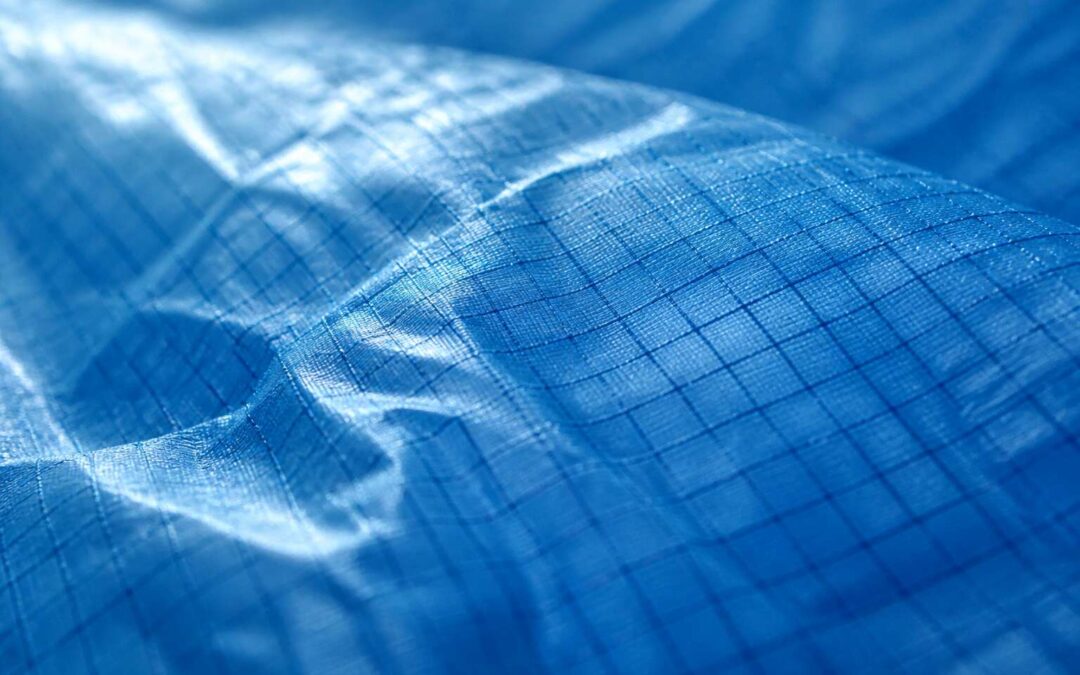
Microlight fabric weighs so little that a full jacket can crumple into a palm-sized stuff sack. That statistic alone draws most people to ask what is microlight fabric. The answer starts with the weave. These textiles use ultra-fine denier threads, often below 20 denier, which creates a tight, smooth surface. The result feels like paper in the hand, yet it resists tearing better than heavier materials.
The magic happens in the coating. Manufacturers laminate or apply a polyurethane layer to the nylon base. That thin film blocks wind and sheds light rain without adding bulk. The trade-off is simple: protection with minimal weight. For hikers on Table Mountain or cyclists battling Cape winds, this fabric disappears into a pocket until needed.
– Garments layer easily under storm shells.
– Compression straps reduce packed volume.
– Stitching holds firm on reinforced stress points.
No fabric is perfect. Microlight nylon sacrifices breathability and long-term abrasion resistance. But for those who count every gram in a backpack, the trade keeps making sense. Understanding what is microlight fabric means accepting these limits while appreciating how far textile engineering has pushed the boundaries of lightness.
Historical Evolution and Development
The story of what is microlight fabric begins long before the era of stuff sacks and summit bids. Early mountaineers relied on densely woven Egyptian cotton or heavy Ventile, fabrics that swelled when wet to shut out the cold. Those materials worked, but they demanded immense physical effort to carry. A simple overnight trek could mean thirty kilograms of gear on your back. The turning point arrived in the 1960s when nylon production became refined enough. Engineers discovered that by drawing polyamide filaments thinner, they could create a textile with surprising strength.
The first generation of lightweight nylon was still a compromise. It packed small, yes, but it felt crinkly and loud. Weatherproofing required thick rubber coatings that eventually cracked. Over the decades, the chemistry improved. Developers introduced silicone impregnations and then moved to polyurethane laminates. Here are the key developments that shaped this fabric:
– The transition from woven to ripstop grids, which halted tear propagation
– The introduction of calendering, a heat and pressure process that smoothed the surface
– The shift from solvent based coatings to water based systems, which reduced environmental impact
Today, the answer to what is microlight fabric reflects decades of incremental refinement in denier counts and thread tension. The modern versions blend a tight weave with a fluorocarbon free finish that beads water instantly. I find it remarkable that the sailcloth used on racing yachts shares a direct lineage with the jacket in your closet. For the hiker traversing the Western Cape, this history means a garment that performs in a gale at a mere 150 grams. The evolution continues, but the core promise remains unchanged. To understand what is microlight fabric, one must recall the relentless pursuit of carrying less while achieving more.
Primary Characteristics That Set It Apart
One square metre of microlight fabric weighs about 25 grams. That number alone won’t tell you much. The real value is in the density. The yarn is 7 denier, drawn thin and woven tightly. This close construction blocks wind before it reaches your skin. The continuous filament does not fray with friction, so the fabric keeps its shape.
The calendering process deserves mention. A smooth roller compresses the threads and gives the surface a quiet, supple touch. I own a jacket made from this. It folds into a backpack the size of a fist and still returns to shape after years of packing. That structural honesty is what I admire. The weight stays low because the material relies on structure rather than thick coatings.
- The water repellency comes from the tight weave, not just a chemical layer
- High thread count stops draughts without adding bulk
- The material resists permanent creasing after repeated compression
So what is microlight fabric? More than a number on the tag. It is a balance of weave, thread and finish that very few textiles manage. The scale says light. The touch says solid. Those two ideas are the entire story.
Technical Properties and Composition
Fiber Composition and Weave Structure
The very essence of microlight fabric is a paradox, a marriage of gossamer weight and surprising resilience. Its composition typically begins with a filament yarn, a continuous strand of polymer that is drawn and spun into an exceptionally fine thread. This extrusion process, born from petrochemical origins, creates a base material with a high surface area and a uniform diameter, which is the foundation of its remarkable lightness. Using this fine yarn is the first step in achieving a fabric that feels like nothing at all.
The weave structure is where the alchemy truly occurs, often a ripstop pattern that reinforces the delicate grid. The interlocking of these thin threads produces a cloth with a tensile strength that defies its slender profile. The deliberate weave creates a network of thicker, more robust threads interlaced at intervals, acting as a barrier against the spread of any tear that may occur. This structural decision is critical, as it converts a fragile material into a durable one. Furthermore, a tightly woven construction is essential, as it creates the very foundation that later treatments will exploit.
– The primary function of the weave is to provide a stable base for a silicone or polyurethane coating, which is what gives the fabric its final performance qualities.
– A higher thread count within this ripstop grid yields a smoother, more densely packed surface, enhancing both air resistance and water repellency.
– Any variation in the weave can alter the fabric’s drape, its porosity, and ultimately its suitability for a specific purpose.
It is this careful engineering of fiber and interlacing that gives what is microlight fabric its distinctive character. The result is a material born from calculated precision, a testament to how the right combination of chemistry and mechanical structure can produce something that is both yet substantial. The story is less about a single component and more about the purposeful harmony achieved when they are joined.
Denier, Weight, and Thickness Specifications
We find the measure of this material in the denier, the weight in grams per 9,000 metres of fibre. Lower denier numbers indicate finer threads. Microlight fabric commonly sits between 7 and 40 denier. The finished cloth weight, typically 25 to 50 grams per square metre, places it among the lightest textiles. Thickness follows a similar discipline, often measuring under 0.1 millimetre before coatings.
These specifications determine behaviour. A 7 denier nylon ripstop at 30 grams feels spectral, while a 40 denier version gains structure and abrasion resistance. The answer to what is microlight fabric lies in these numbers.
- Denier: 7 to 40, with lower values for ultralight applications
- Weight: 25 to 50 gsm for coated finished cloth
- Thickness: below 0.1 mm before treatment
The coating adds grams but seals the weave. Silicone or polyurethane shifts the final weight upward, yet the base cloth remains the reference point.
Water Resistance and Breathability Balance
There is an existential conflict in how we seal ourselves from the elements. The coating that makes a microlight fabric repellent against rain also holds in the heat our bodies fight to shed. This tension defines the fabric. Silicone finishes push toward waterproofing, yet choke breathability. Polyurethane behaves similarly, a film that blocks moisture from outside while trapping vapour within.
Manufacturers each choose a position on this spectrum. The trade-offs are concrete:
- Single sided coatings preserve some airflow
- Double sided coatings maximise waterproofing
- Seam sealing adds weight but stops leaks
The moral question surfaces when we ask what we actually need. A humid night in KwaZulu-Natal punishes a sealed fabric. A gale along the Cape coast punishes a breathable one. What is microlight fabric, then? It is a measured response to an unpredictable world!
Tensile Strength and Tear Resistance Factors
The lightest fabrics fail first when the load is uneven. What is microlight fabric, then, but an argument against that rule? Tensile strength measures resistance to being pulled apart along its axis. Tear resistance measures survival against a focused snag. These are separate properties, and a fabric may excel at one while failing the other.
The contributing factors live in the weave. Ripstop grids interrupt a tear’s path with heavier reinforcement yarns. The coating’s flexibility matters just as much. A brittle film cracks under constant flexing and creates pre-stressed weak points. A supple finish spreads load across neighbouring yarns before any single thread gives way. This is where the design decisions show themselves!
Specifics make the difference:
– Every 5mm, reinforcing yarns halt a tear’s momentum.
– Dense weaves distribute stress evenly.
– UV exposure degrades tensile strength before visible wear appears.
That is the practical answer to what is microlight fabric: a controlled compromise between durability and featherweight construction.
Practical Applications Across Industries
Outdoor Apparel and Adventure Clothing
Understanding what is microlight fabric changes how you pack for a Drakensberg traverse. The weight savings directly influence your endurance, freeing physical and mental energy for the route itself. I rarely leave a microlight jacket behind, even on a clear Karoo morning, because its packability means there is no excuse for being caught unprepared.
Practical applications in outdoor apparel extend across critical gear. A stiff Cape southeaster demands a shell that disappears into a pocket until needed. The fabric thrives in variable conditions where adaptability matters more than sheer bulk.
- Ultralight windbreakers for high-altitude temperature shifts.
- Compressible layers for multi-day hikes.
- Minimalist rain shields for sudden summer storms.
This approach redefines adventure clothing as a tool rather than a wardrobe item. When you fully grasp this textile, you stop carrying unnecessary weight and start moving with genuine purpose.
Aviation and Paragliding Equipment
The first time I watched a pilot unfold a wing that weighed less than my sandwich, I assumed it was some kind of trick. But that is the reality of what is microlight fabric in aviation. It is a material engineered to catch wind, not to fight it. The entire wing envelope relies on this cloth to maintain its shape under pressure, and it does so with a ratio of strength to weight that borders on absurd.
For paraglider designers, the stakes are different than for jacket makers. A failure in a tent fly is an inconvenience. A failure in a canopy is a life event. Understanding what is microlight fabric at a structural level becomes a matter of precise load tolerances and coating adhesion. The sport has effectively been reborn around this textile, allowing for launches that require less run-up and landings that are more forgiving.
- Wing stability in turbulent thermals
- Reduced pack volume for hike-and-fly missions
- Consistent inflation characteristics during launch
Pilots in the Magaliesberg or along the coast will tell you the same thing. The fabric talks back to you through the risers. It signals lift, it warns of sink, and it does all of this while being light enough to forget you are carrying it until the wind picks up.
Camping, Shelters, and Ultralight Tents
If aviation is about trust, then camping is about forgiveness. A tent that weighs three kilograms demands a toll on every climb. What is microlight fabric doing in your pack? It is quietly erasing that burden. The same cloth that holds a paraglider aloft now wraps your sleeping body, offering shelter without the customary weight penalty. The difference is palpable on a long slog up the Sentinel or a multi-day traverse through the Drakensberg escarpment.
The shift is not merely about ounces on a scale. It changes the geometry of what you carry. Bulky, heavy canvas has given way to laminates that compress into the palm of your hand. This allows for tents that fit inside a hydration bladder pocket, freeing space for food or that extra layer you thought you could not bring. The trade-off once involved durability, but modern weaves have closed that gap. They resist abrasion and handle the wind with a surprising composure.
– The ability to pitch a full shelter with a footprint smaller than a paperback book.
– A coated finish that sheds rain without absorbing water weight over time.
– A tear resistance that withstands sharp rocks and clumsy setup mistakes.
Camping with what is microlight fabric redefines the idea of leaving no trace. You carry less, you move faster, and you set up with greater ease. The fabric does not flinch under a brittle Highveld wind, nor does it sag when the Cape summer sun beats down. It holds its shape, and that consistency becomes a quiet comfort after a long day on the trail.
Marine, Automotive, and Protective Gear
The marine industry trusts microlight fabric for sails that must face salt spray and relentless UV without stiffening or rotting. A boat cover made from this textile can be hoisted single-handed, a practical benefit for anyone wrestling with a squall in the Cape Town docks. In automotive settings, the same cloth reinforces airbags and seat structures, folding tightly until the moment it needs to hold. Protective gear manufacturers use it for lightweight armour and cut-resistant layers, giving workers real mobility without sacrificing safety. Understanding what is microlight fabric explains why these sectors moved so quickly to adopt it.
Fashion, Accessories, and Everyday Carry
Fashion houses now use microlight fabric to create structured garments that collapse into a handbag when the weather turns. A jacket weighing less than a smartphone offers little resistance to a Cape Town summer breeze, yet it holds a sharp silhouette. Accessory makers have followed suit, crafting wallets, pouches, and totes that survive daily commutes without adding bulk. The appeal lies in the tactile paradox: a textile that feels substantial under the fingers while remaining almost weightless on the shoulder.
Everyday carry enthusiasts, those who count every gram in a backpack, treat what is microlight fabric as a quiet revelation. It replaces heavier nylon and polyester components in:
– Packable daypacks that fold into their own pocket
– Sunglasses cases that resist abrasion from keys and coins
– Laptop sleeves with a soft hand feel and firm protective core
The fabric also appears in minimalist footwear, where it offers a sock-like fit over long distances. For urban professionals navigating the Johannesburg streets, this material answers a simple question: why carry weight you do not need? The textile bends to the rhythm of city life, accommodating rush hour and weekend escapes with equal grace. Its durability does not announce itself; it simply endures, wash after wash, fold after fold.
Selection, Care, and Comparative Insights
Key Factors to Evaluate When Choosing a Variation
Choosing a variation of what is microlight fabric demands scrutiny of the weave’s density and the coating’s integrity. I often inspect the ripstop grid, for a loose pattern signals weakness under sustained pressure.
Care requires discipline. Machine washing strips the durable water repellent finish. Hand wash with a gentle detergent, then hang to dry in shadow. High heat damages the filaments, so keep the iron away entirely!
Comparative insights reveal distinctions that matter:
- Polyester variants resist UV degradation better than nylon.
- Nylon offers superior tear strength and abrasion resistance.
- Both exceed traditional packcloth in weight savings.
When selecting between coated and uncoated versions, consider the intended exposure. A silnylon hybrid suits wet climates; a plain weave suffices for dry storage. The nuance lies in these trade-offs.
Proper Cleaning, Drying, and Waterproofing Techniques
Selecting what is microlight fabric for the Highveld demands attention to the coating’s integrity above all else. The ripstop grid should feel taut under the fingers, and the DWR finish must bead water instantly. I have seen bargain rolls fail within a season of Karoo sun. Care follows selection closely. Hand wash with a mild soap, never machine agitate, and dry in shade away from the coastal breeze. The waterproofing layer needs renewal after every tenth wash.
Comparative insights between nylon and polyester matter for local use:
- Polyester tolerates our intense UV better, while nylon resists tearing under gusty Cape winds.
- Silnylon hybrids excel in Durban’s humidity, but plain weaves suit the dry interior.
Proper cleaning preserves what is microlight fabric’s purpose. Heat destroys the filaments, so keep the iron away entirely! Reapply a spray-on DWR when water no longer beads.
Contrasting With Other Technical Fabrics
What is microlight fabric if not a test of patience? I have seen a cheap silnylon shelter fail on the Highveld, its seams gaping under a single thunderstorm. Selection starts with the coating’s integrity, not the advertised weight. Run a thumb across the ripstop grid; it should feel taut, almost springy. A slack weave means trouble.
Care extends beyond washing. I store my tent loosely rolled in a cotton sack, never compressed into a stuff sack. Creases become stress fractures, especially under Karoo sun. As for comparative insights, microlight fabric differs from Dyneema in one crucial way: it stretches, absorbing gusts rather than tearing.
- Nylon variants flex more than polyester, which is brittle in cold snaps.
- Dyneema resists punctures but shows no warning before failure.
- Microlight fabric gives you time, a silent signal before it breaks.
Repair Strategies and Long-Term Storage
Repairing microlight fabric demands precision. A small tear can be sealed with a patch of the same material and seam grip. For what is microlight fabric, repair is not an afterthought; it is the skill that extends gear life. The key is to repair early. Dirt and moisture weaken the coating, so clean the area with alcohol before applying adhesive.
Long-term storage means resisting compression. Store tents loosely in a breathable cotton sack. Here is the order for maintaining integrity:
- Inspect seams after every trip.
- Patch punctures immediately.
- Loosely fold, never stuff.
UV exposure is the true enemy. A stored shelter in a garage will degrade faster than one used monthly. Keep gear in a cool, dark place. Check every few months for crease fractures. Microlight fabric rewards vigilance with years of service.
Environmental Impact and Sustainability Considerations
Here, the sun performs a kind of quiet violence on technical gear. In South Africa, where UV levels are punishing, selection of what is microlight fabric becomes a question of local survival. The material must handle heat, sudden downpours, and the abrasive grit of the Karoo. A fabric with a higher ripstop count is not a luxury, it is a necessity. The weave density, often invisible to the untrained eye, dictates whether a thorn bush ends a trip or merely starts a story.
Care for these materials is a practice of anticipation, not reaction. Salt from coastal air and the acidic residue of tree sap are the first degraders. Rinsing with fresh water should occur within a day of exposure, but harsh detergents are forbidden. A gentle sponge and lukewarm water are the tools. The hydrophobic coating on what is microlight fabric is molecular, and stripping it with chemicals reduces the cloth to a mere shell of its former capability.
Comparative insights reveal a clear hierarchy when weighed against heavier canvas alternatives. The weight savings translate directly to pack volume, which is a premium commodity on the trail. But there is a trade. Standard polyester holds a crease and loses tensile strength under constant flexing. The advanced formulations found in modern microlight fabric offer a better ratio of tear resistance to weight, yet they demand respect for their limits.
The environmental accounting of this textile is complicated. The production process consumes significant energy, and the synthetic fibers are derived from petrochemicals. The saving grace is durability, but only if the user commits to maintenance. A shelter that lasts a decade instead of a single season reduces landfill contribution. The true cost is not on the price tag, but in the lifecycle. For the responsible adventurer, this calculation is unavoidable. As the ecology of manufacturing faces scrutiny, the industry pushes toward recycled inputs, but the core promise remains the same.
- UV stabilizers degrade with every hour of exposure, not just during use.
- Applicable waterproofing treatments extend the life of the fabric, but only when completely clean.
- Compression damages the structural integrity faster than friction does.
The choice to buy is a choice to maintain. Understanding what is microlight fabric is ultimately a commitment to a specific set of care rituals. The material rewards knowledge. The wilderness where you use it will test the fabric, but the routines you establish at home determine whether it passes.
Emerging Innovations and Future Trends in Fabric Engineering
The question of what is microlight fabric deserves two answers: the one printed on the tag, and the one revealed by the terrain. In South Africa, the terrain delivers a verdict with every excursion, and the wise shopper reads the province before the price.
Care is a ritual of anticipation. I have watched a shelter collapse under a storm because its owner treated the waterproofing as a permanent contract! Salt and sap are the silent identifiers of neglect; only a disciplined rinse and a gentle dry restore the cloth’s composure.
Comparative insight into fabric engineering shows that progress is measured in modest steps. Modern recycled yarns now flex without losing their tear resistance, and this shifts the calculus on any purchase. Watch for these developments:
- Bio-based coatings from agricultural waste
- Yarns with improved elastic recovery
- Automated weave density sensors
Understanding what is microlight fabric tomorrow requires watching these markers today.